
By Saima Shafee
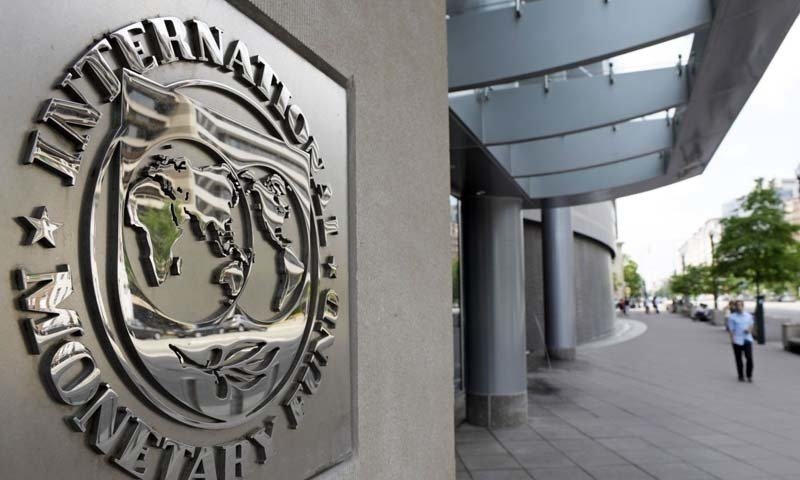
The naysayers may cast doubt on a ‘remarkable transformation’ in Pakistan’s prospects following the government’s last-minute acquisition of a standby loan from the IMF, but the markets wasted no time in seizing the opportunity for jubilation.
The dollar took a nosedive as trading resumed after the holidays, deflating like a punctured balloon; stock market activity ignited like a wildfire, with speculative investors clamoring to grab any available opportunity; gold prices plummeted sharply; and recent inflation data, although unrelated to the IMF deal announcement, hinted at a potential alleviation of the economic pressures that had been building up.
Could it be that Pakistan has truly stumbled upon the road to prosperity over the span of a mere long weekend, solely thanks to a single loan agreement? That is the narrative the government, at least, would like us to embrace.
Meanwhile, experts and analysts continue to sound the alarm about the underlying risks that threaten Pakistan’s economic well-being. Global credit ratings agencies Moody’s and Fitch issued a stern reminder on Monday that Islamabad still faces the daunting task of repaying $25 billion to creditors in the current fiscal year—an amount exceeding seven times the funds officially available and far surpassing the meager $3 billion reluctantly offered by the IMF over the next nine months (subject to approval by its board and Islamabad’s compliance with the stringent conditions that will likely be imposed as prerequisites for loan disbursements).
The IMF loan may have given rise to a sense of optimism, but it is crucial not to lose sight of the long-term challenges that lie ahead. Pakistan’s financial obligations loom large, casting a shadow of uncertainty over the nation’s economic prospects. While the government celebrates the temporary respite, it is imperative to recognize that this loan is merely a Band-Aid solution, not a panacea for the deep-rooted structural issues that must be addressed.
The road to economic stability requires more than quick fixes and short-term gains. It demands a comprehensive and sustainable approach that tackles systemic deficiencies, promotes transparency and accountability, and fosters an environment conducive to investment and growth. Pakistan must seize this opportunity to enact meaningful reforms, diversify its economy, and invest in human capital to secure a brighter future.
Moreover, it is crucial for the government to maintain open lines of communication with the public and ensure transparency in its decision-making processes. The skepticism and caution voiced by experts and analysts should not be dismissed but rather acknowledged as valuable contributions to the ongoing dialogue on economic development.
Don’t forget to Subscribe our channel & Press Bell Icon.
In the face of the euphoria surrounding the IMF loan, it is important to maintain a balanced perspective and not succumb to unfounded optimism. The road ahead remains challenging, and the true test of Pakistan’s economic resilience lies in its ability to navigate through these obstacles with prudence and foresight. The IMF loan may provide temporary relief, but sustainable progress requires concerted efforts and a commitment to address the fundamental issues plaguing the economy.
As the dust settles and the initial excitement wanes, it is imperative for Pakistan to stay focused and determined in its pursuit of long-term economic stability. The journey will be arduous, but with strategic planning, prudent policies, and a collective resolve, Pakistan can pave the way towards a resilient and prosperous future. The IMF loan may have provided a momentary lifeline, but the real transformation lies in the nation’s ability to implement lasting reforms and foster an environment that nurtures sustainable growth and prosperity.
On the same eventful day, data unveiled by the Bureau of Statistics revealed a disheartening 19% plunge in exports during the month of June, compared to the previous year—a disheartening trend that has persisted for ten consecutive months, exacerbating the challenges in financing the current account.
Hence, the pertinent question arises: Are we prematurely rejoicing? The astute investors seem to think so. While the initial burst of optimism sparked by the IMF deal may have delighted the stock and foreign exchange markets, it is essential to recognize that these jubilant sentiments are transitory, not indicative of a true reversal in their respective fortunes. The prevailing consensus among forex and stock analysts is crystal clear: Until the underlying fundamentals are rectified—until Pakistan embarks on a methodical blueprint to overhaul the economy and address its inherent imbalances—no one can afford to rest easy.
But for how much longer must we endure this state of limbo? With an impending election on the horizon, it is highly probable that the most excruciating measures will be postponed, awaiting the arrival of the new government in a few months’ time. It is truly lamentable that, amidst such high stakes, we are still left uncertain about the course that lies ahead.
The path to economic redemption necessitates bold and decisive action. The time for procrastination and delay has long passed. Pakistan must confront the daunting challenges head-on, with a resolute commitment to implementing comprehensive reforms that address the root causes of its economic woes. Merely postponing the inevitable will only prolong the agony and exacerbate the damage.
The forthcoming election should not serve as a pretext to evade responsibility. On the contrary, it should serve as a catalyst for change—an opportunity for political leaders to demonstrate their mettle and present a clear vision for the economic transformation of the nation. The electorate deserves nothing less than a robust and transparent discourse on the future direction of the economy, with concrete plans and tangible solutions.
While political expediency may tempt decision-makers to prioritize short-term gains and populist measures, it is imperative to resist such temptations and embrace the principles of long-term sustainability and prudent governance. A comprehensive economic reform agenda must prioritize fiscal discipline, enhance revenue generation, promote investment and job creation, and foster an environment conducive to entrepreneurship and innovation.
Moreover, it is essential to foster a culture of accountability, where transparency and good governance are not mere buzzwords but tangible realities. The public’s trust in the government’s ability to steer the nation towards economic prosperity must be earned through concrete actions, not empty rhetoric.
In the face of daunting challenges, it is crucial for the government to engage all stakeholders—experts, economists, business leaders, and civil society—in a collaborative effort to chart a path towards economic stability and sustainable growth. The collective wisdom and expertise of these diverse voices can help shape comprehensive policies and initiatives that address the multifaceted nature of Pakistan’s economic challenges.
Above all, the journey towards economic prosperity requires unwavering determination, resilience, and perseverance. It demands a departure from the status quo and a willingness to embrace change. Pakistan has weathered numerous storms in its history, and it has the potential to emerge stronger and more prosperous. The time to act is now, and success will require the concerted efforts of all those committed to building a brighter future for Pakistan.
As the celebrations subside and the euphoria dissipates, let us not lose sight of the uphill battle that lies ahead. The road to economic revival may be arduous, but it is not insurmountable. By embracing a bold and comprehensive reform agenda, Pakistan can pave the way for a future characterized by sustainable growth, shared prosperity, and enhanced well-being for all its citizens. The challenges are formidable, but the potential rewards are immeasurable. Let us seize this moment of opportunity and demonstrate our resilience and determination. It is time for policymakers, business leaders, and citizens alike to come together and forge a collective path towards economic stability and progress.
The first step in this journey is to address the structural issues that have plagued Pakistan’s economy for far too long. From inefficient governance to rampant corruption, these deep-rooted challenges must be confronted head-on. It requires a commitment to transparency, accountability, and the rule of law. Only by creating a business-friendly environment and promoting fair competition can we attract investment, stimulate innovation, and create sustainable employment opportunities.
Additionally, investing in human capital is crucial for long-term economic success. Education and skills development must be prioritized to equip the workforce with the tools they need to thrive in the digital age. By fostering entrepreneurship and supporting small and medium-sized enterprises, we can unleash the potential of our vibrant private sector and drive economic growth from the grassroots.
Furthermore, diversifying the economy and reducing reliance on traditional sectors is essential. We must embrace technological advancements, promote innovation, and foster a culture of research and development. By harnessing the power of emerging industries such as renewable energy, information technology, and e-commerce, we can position Pakistan as a competitive player in the global market.
At the same time, we must ensure that economic growth is inclusive and benefits all segments of society. This requires targeted social policies, investment in social infrastructure, and the protection of vulnerable populations. Narrowing the income gap and addressing issues of inequality and poverty should be at the forefront of our agenda.
International cooperation and partnerships are also vital in today’s interconnected world. By fostering collaboration with regional and global allies, we can tap into new markets, attract foreign investment, and access knowledge and expertise. This necessitates a proactive and engaged foreign policy that promotes Pakistan’s economic interests on the global stage.
In conclusion, the path to economic revival requires a collective effort, unwavering determination, and visionary leadership. Let us not be swayed by momentary market fluctuations or short-term gains. Instead, let us focus on long-term sustainable growth that uplifts the lives of all Pakistanis. Together, we can overcome the challenges, embrace the opportunities, and build a prosperous future for our nation.
Subscribe our website for latest updates:
https://republicpolicy.com/shop/
Read More