
Humaira Bajwa
The SCO, with its vast geographical expanse and the significant population of its member states, has the potential to emerge one of the world’s most prosperous and influential economic and geopolitical blocs. However, realizing this potential requires the resolution of conflicts and disagreements among member states in a satisfactory manner.
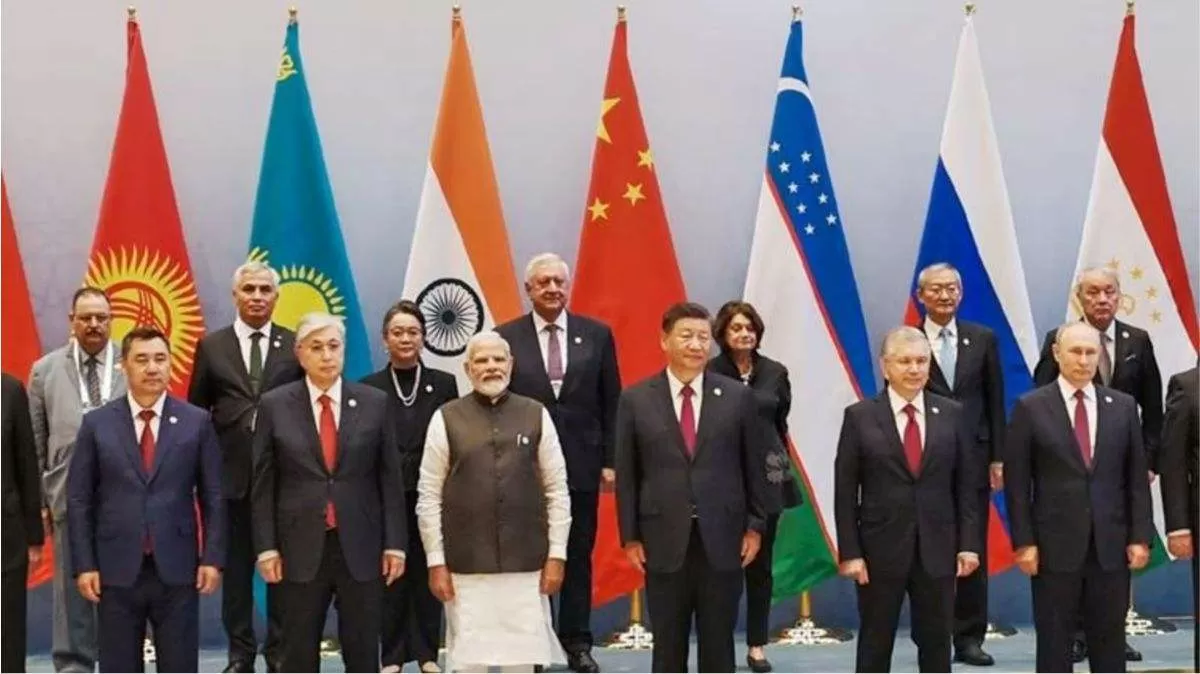
The recent virtual SCO Council of Heads of State summit, hosted by India on Tuesday, revealed that there is still a long way to go before the bloc can fully harness its capabilities. Rather than focusing on multilateral cooperation, the summit was overshadowed by bilateral disputes, with the host nation taking the opportunity to make veiled criticisms of its geopolitical adversaries within the SCO.
During his address, Indian Prime Minister Narendra Modi’s thinly veiled critique of both Pakistan and China served as a reminder of the internal challenges that the bloc must address. It was evident that the summit could not provide a platform for Pakistan-India dialogue on the sidelines, given the frosty reception Bilawal Bhutto-Zardari received earlier in the year during the SCO foreign ministers’ meeting in Goa. This indicated that Shehbaz Sharif’s reception was unlikely to be any warmer.
The prevailing tensions and unresolved conflicts among member states highlight the need for a concerted effort to promote dialogue, understanding, and cooperation within the SCO. While it is natural for countries to have differences, it is essential to prioritize the collective interests of the bloc and find common ground to foster mutual understanding and harmony.
It is crucial for member states to rise above bilateral disputes and adopt a forward-looking approach that focuses on the immense potential for economic cooperation and regional stability within the SCO. By leveraging their collective strengths and resources, member states can create an environment conducive to trade, investment, and cultural exchange, thereby driving sustainable development and prosperity for the entire region.
Moreover, the SCO should actively engage in mediating and resolving conflicts among member states, facilitating diplomatic channels and negotiations to address grievances and promote peaceful coexistence. It is through constructive dialogue and a commitment to finding peaceful solutions that the SCO can enhance its credibility and influence on the global stage.
Don’t forget to Subscribe our channel & Press Bell Icon.
Furthermore, the SCO should prioritize addressing common challenges and threats faced by the region, such as terrorism, extremism, and drug trafficking. By strengthening cooperation in these areas, member states can enhance security and stability, contributing to the overall well-being of their populations.
In addition to addressing internal challenges, the SCO should also seek opportunities for collaboration with other regional and international organizations. By fostering partnerships and synergies, the bloc can expand its reach and influence, ultimately contributing to a more interconnected and prosperous world.
Maybe that’s why India decided to take the virtual route and avoid any face-to-face interaction between Mr. Sharif and Mr. Modi. There is also speculation that India chose the online format to steer clear of hosting Vladimir Putin, giving him a miss.
In his usual fashion, Mr. Modi reiterated his call to end “cross-border terrorism” while subtly taking a jab at CPEC, stating that connectivity initiatives should “respect sovereignty,” hinting at the controversial passage of the megaproject through Gilgit-Baltistan.
In response, PM Sharif hit back, cautioning against the perils of “violent ultra-nationalism” and criticizing the use of terrorism as a diplomatic tool.
It is a well-established principle that multilateral forums should not be exploited for settling bilateral scores. Instead, these platforms should foster an environment conducive to resolving regional conflicts.
Unfortunately, India’s current leadership has demonstrated a lack of seriousness in engaging Pakistan in meaningful dialogue for peace, both bilaterally and within multilateral settings. Instead, the BJP regime seems more interested in isolating Pakistan by resorting to tired, clichéd rhetoric.
If this narrow-minded approach persists, there will be little progress in mitigating hostilities in the subcontinent, and future generations may be condemned to perpetual confrontation. Terrorism, climate change, poverty, and disease are common challenges that can only be effectively addressed through bilateral cooperation and within the SCO framework, provided India chooses to move away from its inflexibility.
As for the SCO itself, there is immense potential for it to become a driving force of growth in the Eurasian region and beyond. However, unless the existing issues and conflicts between member states are resolved, it will remain nothing more than a platform for mere rhetoric, akin to the stagnant state of Saarc.
The SCO holds the key to regional prosperity and stability, with the potential to tackle pressing challenges and foster cooperation among its diverse member states. By prioritizing dialogue, mutual respect, and compromise, the SCO can transform into a powerhouse of economic development, security, and cultural exchange.
The resolution of bilateral disputes within the SCO framework is crucial for realizing the bloc’s true potential. Member states must rise above their differences and embrace a spirit of collaboration, recognizing that their collective success is intertwined.
Moreover, the SCO should actively engage in mediating conflicts and promoting peaceful resolutions. By facilitating dialogue and acting as a neutral arbiter, the organization can help bridge the gaps and foster understanding among member states.
In conclusion, the recent SCO summit highlighted both the challenges and the opportunities that lie ahead. It is essential for member states, especially India and Pakistan, to set aside their differences and engage in meaningful dialogue for the greater benefit of the region. By embracing a cooperative approach, the SCO can transcend its current limitations and emerge as a dynamic force for positive change in the Eurasian landscape. The path to success lies in mutual respect, open-mindedness, and a shared commitment to peace, stability, and prosperity.
Subscribe our website for latest updates:
https://republicpolicy.com/shop/
Read More