
Zainab Arslan
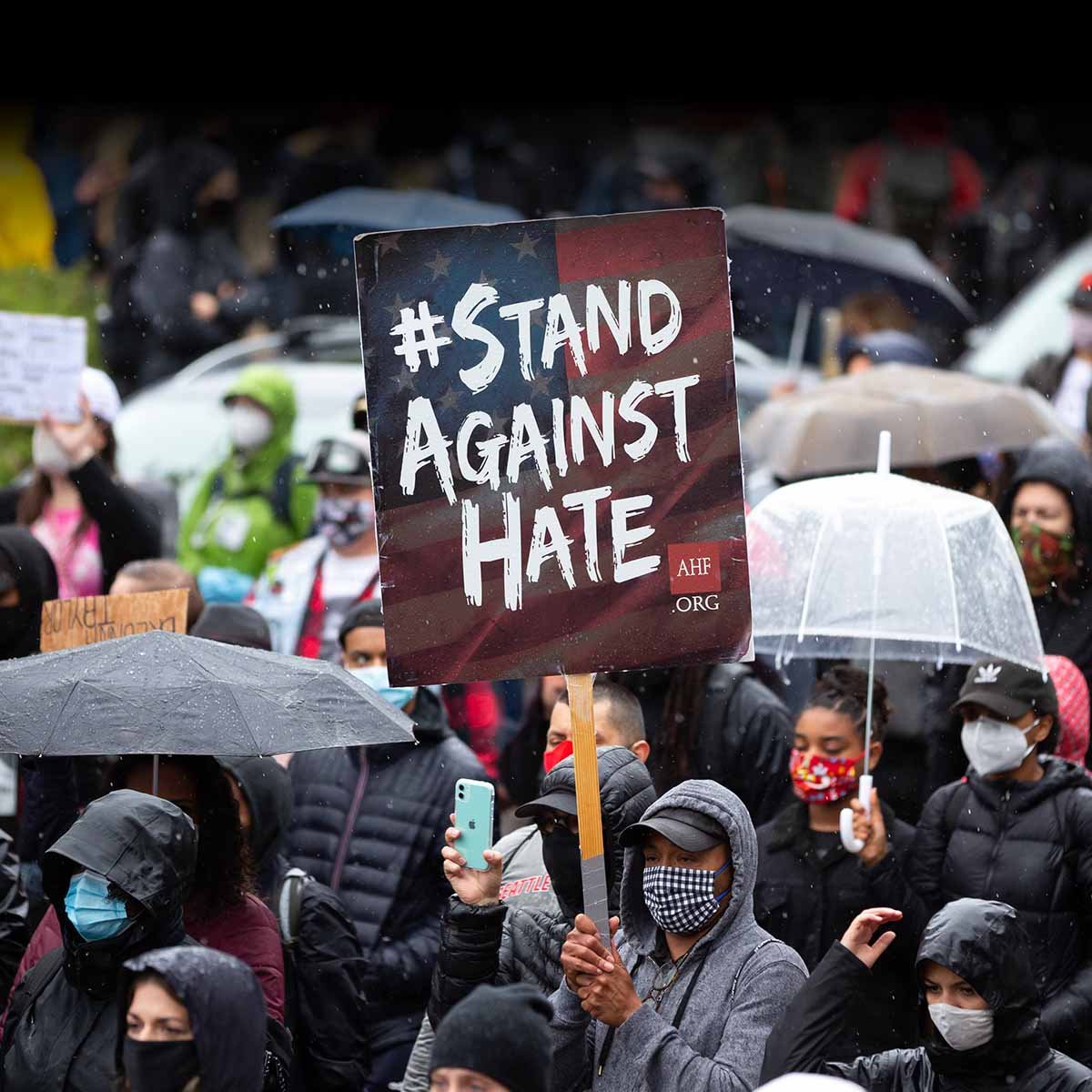
The unanimous adoption of a resolution at the UN Human Rights Council in Geneva on Wednesday, condemning religious animosity, is a triumph for proponents of tolerance and mutual regard. Pakistan played a pivotal role in introducing and garnering support for this motion, which received backing from 28 out of the council’s 47 member states. The resolution urges the UN to issue a report on religiously motivated animosity and calls for states to review legislation to address any loopholes that hinder the prevention and prosecution of acts and advocacy promoting religious hatred. Notably, numerous non-Muslim states, including China, Ukraine, various Latin American and African nations, and surprisingly, India, supported this move. Unfortunately, the Western bloc, comprising Europe and the US, made strenuous efforts to obstruct the resolution, employing the tired excuse of free speech to justify their opposition. However, as an observer in Geneva astutely remarked, the West is clearly “losing the argument.” In all likelihood, the West lost sight of the bigger picture long ago, perhaps unaware or deliberately disregarding the profound disrespect that provocative acts such as desecrating the Quran or targeting revered figures in Islam inflict upon the global Muslim community. While many non-Muslim states in the Global South recognize and appreciate the importance of outlawing religious animosity, the Western bloc stubbornly clings to abstract, debatable notions of free speech, offering protection to those who vilify Islam and, inadvertently, laying the groundwork for violence against Muslims. To provide some perspective, just as questioning the veracity of the Holocaust is deemed a criminal act in numerous European societies, the symbols held sacred in Islam are regarded as a red line in Muslim societies.
The resistance of the Western bloc to acknowledge the sensitivities and deeply ingrained sentiments of the Muslim world reflects a significant blind spot in their approach to religious harmony. Instead of recognizing the urgent need for global solidarity in combating religious hatred, Western leaders continue to prioritize their interpretation of free speech, neglecting the potential harm caused by offensive and inflammatory acts. The adoption of this resolution at the UN Human Rights Council sends a clear message: the world is increasingly recognizing the importance of safeguarding religious sentiments and promoting respect among diverse faiths.
It is worth noting that religious hatred does not occur in a vacuum; it can have severe repercussions, leading to discrimination, violence, and the marginalization of religious communities. By addressing the lacunae in existing laws that impede the prevention and prosecution of acts inciting religious animosity, states can actively work towards creating an environment of inclusivity and understanding. The publication of a report by the UN on religiously motivated hatred will serve as a valuable resource, providing insight into the various manifestations of this issue and guiding efforts to combat it effectively.
While some argue that restrictions on free speech may be necessary to prevent the incitement of hatred, it is crucial to strike a balance between freedom of expression and the protection of individuals and communities from discrimination and harm. The intent is not to stifle genuine discourse or differing opinions but to prevent the deliberate spread of hatred and the undermining of religious coexistence. The resolution acknowledges the significance of this balance and calls for a nuanced approach in addressing religious animosity.
In the face of opposition from the Western bloc, the overwhelming support for this resolution from a diverse range of countries sends a powerful message of unity and solidarity. It demonstrates that the issue of religious hatred transcends geographical and cultural boundaries and that the imperative to promote tolerance and respect is a global concern. By embracing this resolution and actively working to address religious animosity, states can contribute to a more inclusive and harmonious world, where people of all faiths can coexist peacefully.
Don’t forget to Subscribe our channel & Press Bell Icon.
In conclusion, the adoption of the resolution on religious hatred at the UN Human Rights Council is a significant step towards fostering a climate of tolerance and understanding. While some continue to cling to outdated notions of free speech, the international community, led by countries from various regions, recognizes the need to address religious animosity and protect the sentiments of individuals and communities. By collectively working towards the eradication of religious hatred, we can build a more inclusive and peaceful world for all.
Regrettably, it appears that certain European societies have failed to transcend their long-standing biases when it comes to denigrating Islam and Judaism. The Holocaust stands out as a glaring and abhorrent example of racial and religious animosity perpetrated by a European nation. However, if we delve further into history, we encounter the horrors that unfolded following the Spanish Reconquista, where Muslims and Jews were forcibly converted and later expelled from the Iberian Peninsula, revealing a tale of profound intolerance. The pressing question remains: do these repugnant prejudices persist in today’s Western world, disguised under the guise of protecting free speech? This is a crucial inquiry that the West must address, showcasing its genuine commitment to respecting other cultures by firmly disallowing attacks on the sacred symbols revered by billions.
It is disheartening to witness the persistence of deeply ingrained biases and animosity towards Islam and Judaism within certain pockets of European societies. Despite the passage of time and supposed progress, the echoes of historical intolerance continue to reverberate through contemporary discourse. The heinous crimes committed during the Holocaust serve as a stark reminder of the devastating consequences that arise from the vilification and persecution of an entire religious community. It is essential for the West to engage in self-reflection and confront the uncomfortable truth that remnants of these prejudiced mindsets still linger today.
The need to protect freedom of speech is a fundamental principle that should be upheld in any democratic society. However, this noble principle should not serve as a shield for hate speech or the denigration of sacred symbols cherished by billions of individuals. Respecting other cultures and faiths requires striking a delicate balance between the freedom to express one’s opinions and the responsibility to promote tolerance and understanding. The West must rise to the occasion and demonstrate its commitment to this balance by unequivocally denouncing attacks on sacred symbols and actively countering the toxic narratives that fuel hatred.
The preservation of freedom of speech does not necessitate the endorsement or tolerance of offensive and inflammatory rhetoric. In fact, true freedom of speech entails using this right responsibly and ethically, without infringing upon the rights and dignity of others. By choosing to safeguard the sanctity of religious symbols and preventing their denigration, the West can send a powerful message of inclusivity and respect, fostering an environment where diverse beliefs can coexist harmoniously.

Click here to read the July issue of Republic Policy Magazine.
It is imperative for European societies to confront their historical prejudices and dismantle the underlying biases that perpetuate discrimination and animosity. This requires an introspective examination of the prevailing narratives and an active commitment to promoting interfaith dialogue and understanding. Rather than hiding behind the façade of free speech, the West must embrace the responsibility of fostering an environment that encourages empathy, respect, and appreciation for different cultures and religions.
The challenges we face in combatting hatred and prejudice are not insurmountable. By acknowledging the past atrocities and striving for collective growth and progress, European societies can break free from the shackles of historical prejudices. This journey begins with a genuine commitment to challenging discriminatory attitudes and protecting the sacred symbols that hold deep meaning for communities worldwide. The West has the opportunity to lead by example, demonstrating its resolve to build a society that values inclusivity, diversity, and mutual respect.
In conclusion, the West must confront its historical prejudices and challenge the discriminatory attitudes that persist within certain European societies. The protection of free speech should never serve as an excuse for perpetuating religious animosity or denigrating sacred symbols. It is crucial for the West to prioritize respect, understanding, and inclusivity in order to foster an environment where diverse cultures and religions can thrive harmoniously. By embracing this responsibility, the West can set a positive example for the world and contribute to a future rooted in tolerance and mutual respect.
Subscribe our website for latest updates:
https://republicpolicy.com/shop/
Read More