
Ayesha Haque
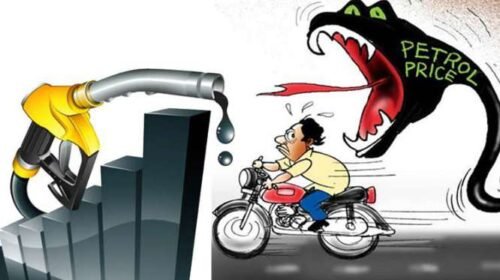
Pakistan’s business community finds itself disheartened by yet another surge in electricity rates, amounting to Rs4.94 per unit. This recent increase catapults the base unit power tariff from Rs24.82 to Rs29.78. Businesses express their concerns, fearing that this fresh spike will have a detrimental impact on their competitiveness. As costs surge, both domestic consumers and foreign buyers may find their products considerably more expensive.
Amidst the ongoing balance-of-payments crisis, the economy grapples with high energy prices and soaring inflation, prompting several industries to resort to drastic measures. Many have opted to shut down or reduce production to mitigate costs.
While the IMF-mandated tariff increase was expected to foster a rebound in manufacturing, the reality may prove otherwise, at least in the immediate future. The government now faces a dilemma.
On one hand, it must fulfill the conditions of the new, short-term $3bn IMF program, which is crucial to avert default and enhance Pakistan’s debt repayment capacity over the coming months. On the other hand, there is immense pressure to revive industrial activity to fuel economic growth and generate employment opportunities.
The energy price hike has intensified the already challenging economic scenario, forcing businesses to reevaluate their strategies and adapt to survive the prevailing uncertainty. The cost burden weighs heavily on manufacturers and threatens to undermine their ability to remain competitive on both local and international fronts.
Amidst these concerns, the government must strike a delicate balance between meeting IMF requirements and reinvigorating the industrial landscape. The long-term goal of economic stability must not be sacrificed for short-term remedies.
Addressing the crisis necessitates comprehensive strategies that focus on enhancing energy efficiency, exploring alternative energy sources, and fostering an environment conducive to industrial growth. Regulatory measures and incentives should be aligned to encourage businesses to innovate, invest, and create jobs.
Moreover, it is vital for the government to engage in meaningful dialogues with industry stakeholders to understand their challenges and collaborate on sustainable solutions. A proactive approach that addresses the root causes of the economic downturn will be more effective in paving the path towards a resilient and prosperous future.
The business community urges the government to consider the far-reaching implications of its decisions on the overall economic landscape. While IMF support is vital in the short run, the focus must be on creating an environment that fosters long-term sustainability and self-reliance.
With careful planning and prudent economic policies, Pakistan can overcome its current challenges and emerge stronger. It is essential to embrace a vision that prioritizes the interests of businesses and the welfare of the nation as a whole. Collaborative efforts between the government and the private sector can pave the way for a more resilient and prosperous Pakistan. The time for decisive action is now.
The stipulation under the Stand-by Arrangement demanding a primary budget surplus of 0.4pc this fiscal year has severely limited fiscal space and hampered the government’s capacity to finance significant power tariff losses beyond a specific threshold. This constraint is aimed at preventing the rapid escalation of power sector debt, but it has left little room for maneuvering.
Undoubtedly, the business community raises a valid point in holding successive governments accountable for their failure to implement long-overdue and politically unpopular structural reforms, which have contributed to Pakistan’s economic predicament.
Take, for instance, the repeated increase in power tariffs over the years, which has failed to curb the growth of circular debt. This persistent issue stems from a lack of political will to address fundamental problems such as distribution losses, non-payment from influential defaulters, and rampant theft.
The business community’s assertion that we are content with managing the symptoms rather than tackling the root causes of the ailment is indeed accurate. The continuous rise in power tariffs not only burdens businesses but also affects every citizen, making electricity increasingly unaffordable and triggering a new wave of inflation.
The pertinent question arises: what alternatives did the government have? Several, in fact. To begin with, it could have devised a comprehensive framework to address deep-rooted issues in the energy sector, thereby reducing losses. Additionally, untapped sectors like real estate, retail, and agriculture could have been taxed to bridge the fiscal gap. Furthermore, implementing a credible privatization plan to divest loss-making public sector entities, such as PIA, would have alleviated pressure on the budget.
However, regrettably, such proactive measures were not taken, highlighting the lack of resolve among our politicians and policymakers to embrace necessary reforms. Consequently, the IMF Board has expressed its concerns about Pakistan’s history of non-compliance with its commitments to the Fund, urging the authorities to fulfill the requirements of the new program. As the lender admonishes, this represents Islamabad’s final opportunity to demonstrate a genuine commitment to much-needed reforms.
The road ahead demands decisive action and a resolute approach towards comprehensive reforms that address the root causes of Pakistan’s economic challenges. Mere patchwork solutions and short-term fixes are insufficient to steer the nation towards stability and prosperity.
Reforming the energy sector is crucial to curbing losses and reducing the burden on the economy. Simultaneously, exploring untapped tax avenues and executing a robust privatization plan will bolster fiscal resilience and unlock new opportunities for growth.
The business community, alongside civil society, should actively engage with policymakers to advocate for and contribute to the formulation of effective policies. This collaboration will foster an environment of shared responsibility and mutual understanding, ensuring that the interests of all stakeholders are well-represented.
Furthermore, the government must demonstrate unwavering determination to follow through with reforms, resisting any temptation to backtrack under political pressures. Transparency and accountability should underpin every step taken towards economic progress.
The IMF’s warning serves as a wake-up call for Pakistan to seize the moment and demonstrate its commitment to genuine reform. A united effort by the government, businesses, and citizens can steer the country towards a more prosperous and resilient future.
In conclusion, Pakistan stands at a critical juncture, facing significant economic challenges. The path to recovery necessitates bold decisions, innovative approaches, and a collective commitment to sustainable reforms. This is not just an opportunity for the government but also for the entire nation to unite in its pursuit of economic stability and progress. With steadfast determination and strategic planning, Pakistan can overcome its obstacles and embark on a transformative journey towards prosperity.
Subscribe our website for latest updates:
https://republicpolicy.com/shop/
Read More