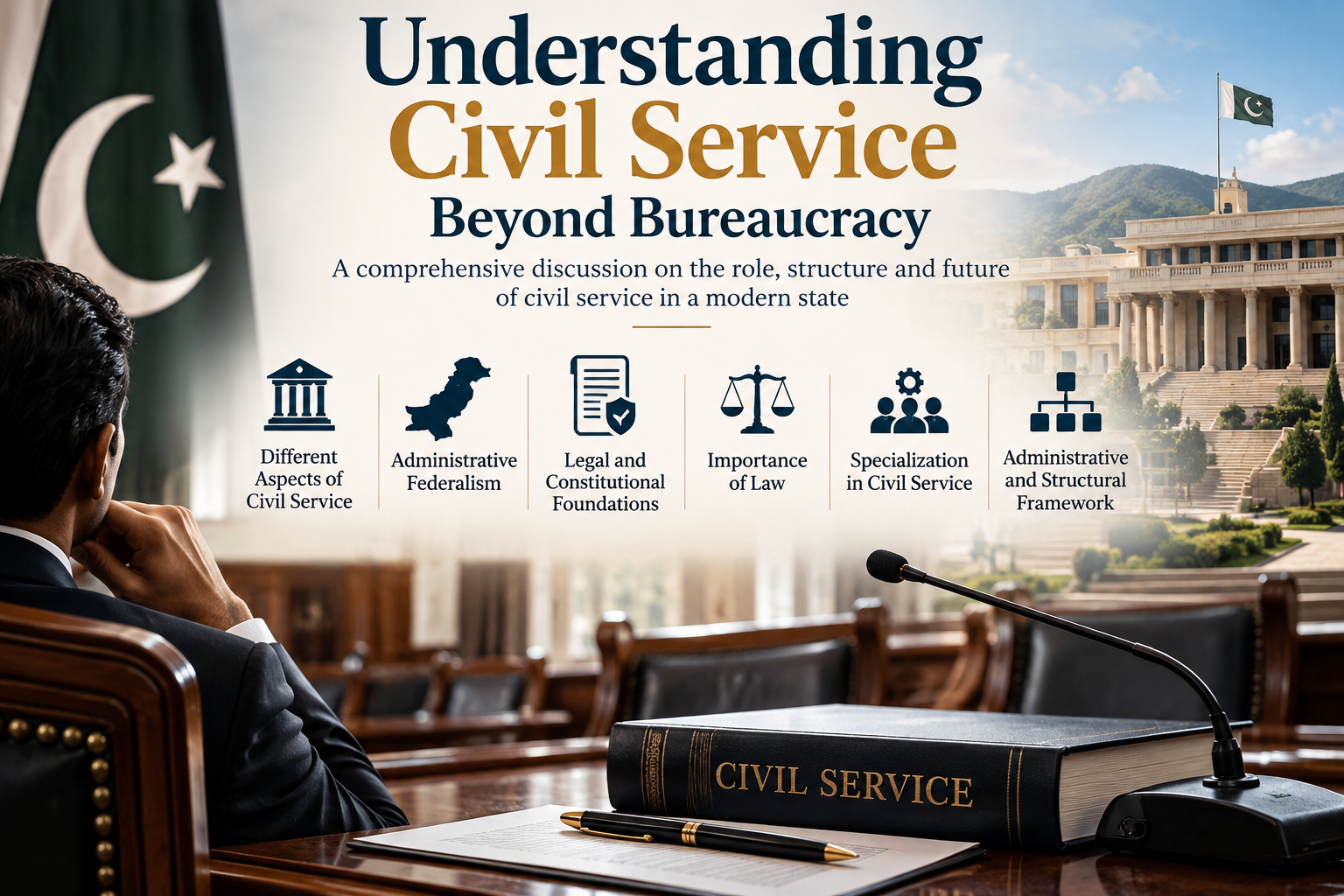

Editorial
Political hope is the belief that a better future is possible through collective action and democratic participation. It is vital for any nation facing multiple challenges and crises, such as Pakistan. Pakistan is a country that has been struggling with various problems since its inception in 1947. Pakistan has experienced several military coups, constitutional suspensions, and political assassinations. Pakistan’s economy is on the brink of collapse as it suffers from low growth, high inflation, rising debt, and dwindling foreign reserves. The economic crisis has also exacerbated the social problems of poverty, inequality, unemployment, and illiteracy. According to the United Nations Development Programme (UNDP), Pakistan ranks 154th out of 189 countries in the Human Development Index (HDI), which measures health, education, and living standards. In other words, Pakistan is among the 25 countries with the lowest human development in the world.
Pakistan faces multiple security challenges from both internal and external sources. Internally, the country is plagued by sectarian violence, ethnic conflicts, and militant attacks by various groups, such as the Tehreek-e-Taliban Pakistan (TTP), Balochistan Liberation Army (BLA), and Islamic State (IS). These groups often target security forces, government officials, religious minorities, and civilians. Externally, Pakistan faces tensions with its neighbours, especially India and Afghanistan, over disputed territories, such as Kashmir and the Durand Line. The country also faces pressure from the United States and other international actors to crack down on terrorism and extremism. Accordingly, the country faces multiple economic and political issues, and the ordinary people, especially the youth, are disenchanted. They are facing hopelessness as far as their individual and public life is concerned.
Please follow the official website of the republicpolicy.com for magazines
In the face of these daunting challenges and crises, political hope can play a significant role for Pakistanis in several ways. It can inspire people to participate in the democratic process and demand their rights and responsibilities. It can motivate them to vote, protest, campaign, organize, and engage in civic activities that influence political outcomes. It can also encourage them to hold their leaders accountable and demand their transparency and accountability. Political hope can foster dialogue and cooperation among different groups and parties with divergent interests and views. It can help them to find common ground and compromise on contentious issues. It can also promote tolerance and respect for diversity and pluralism.
Political hope can generate optimism and resilience among people who face hardships and difficulties. It can help them to cope with stress and trauma and to overcome despair and apathy. It can also empower them to pursue their goals and aspirations and to improve their living conditions.
Please subscribe to the YouTube channel of republicpolicy.com
Therefore, political hope is crucial for Pakistanis amid political, administrative and economic crises. It can enable them to overcome their problems and achieve their potential as a nation. However, political hope is not enough by itself. It must be accompanied by concrete actions and reforms that can address the root causes of the crisis and create a conducive environment for democracy, development, and peace in Pakistan. Lastly, the question remains: Who will provide hope in social and political crises?