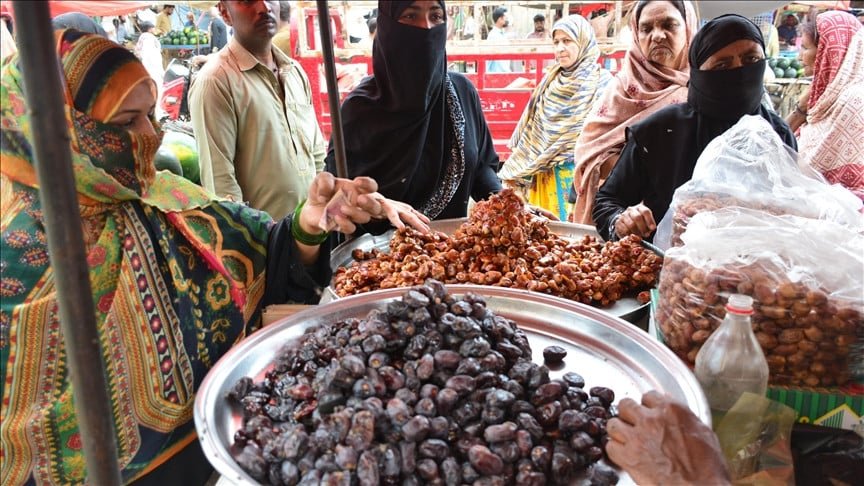

Inflation in Pakistan bounced back to 31.4% in September – the highest rate in four months – due to an administrated increase in prices of electricity and fuel, hurting the consumers the maximum at a time when poverty and unemployment were already sharply increasing. The index primarily rose due to the increase in energy prices, as the pace of surge in perishable food items slowed down to single digits.
A unit of electricity is a whopping 164% more expensive today than in September last year. Similarly, the gas price is 63% higher than a year ago – even before the upcoming increase in gas prices. The petrol is also far more expensive than a year ago, selling at Rs324 per litre. Prices of non-perishable food items, like politically sensitive sugar, remained on the upward trajectory.
On Monday, the Pakistan Bureau of Statistics (PBS) – the national data collecting agency – reported that the Consumer Price Index rose to 31.4% last month compared to a year ago. This was the highest inflation reading in the past four months and the first time in four months that it shot over the 30% barrier again.
The fresh reading suggests that the government and the State Bank of Pakistan are again set to miss their annual inflation target of 21%, despite inflicting heavy costs on the exchequer and the businesses by keeping the interest rates high at 22%.
People living in rural and urban areas have been equally hurt. Pakistan’s annual inflation rate accelerated to history’s highest-ever level of 38% in May due to supply shocks, currency devaluation, and the absence of checks on hoarding and profiteering.
Interim Finance Minister Dr Shamshad Akhtar told the Senate Standing Committee on Finance last week that 95 million people, or nearly 40% of the population, live in poverty as of last fiscal year.
She briefed the committee that the unemployment rate has jumped to 10% — up from 6.3%.
Inflation is once again peaking at a time when there are fewer opportunities for livelihood, and people’s purchasing power has massively eroded in the past two years.
The inflation rate jumped to 29.7% in the cities, according to PBS and to 34% in the rural areas where the overwhelming majority of the country lives.
According to the PBS, food inflation remained at 34% in urban areas and 34.4% in rural areas.
The PBS reported that sugar was up to 94% more expensive last month than a year ago –thanks to the wrong decision of the previous PML-N government to export sugar.
The main reasons behind the higher inflation in Pakistan were:
- The global commodity prices.
- Withdrawal of subsidies.
- Increase in electricity as well as gas prices and currency devaluation.
Excessive note printing is also a reason behind the rampant inflation in Pakistan. The central bank had set the interest rate at 22% — the highest in the history of Pakistan, but it could not arrest the index.
There were hardly any consumable goods that had yet to see their price increase in recent months.