
Hafeez Ahmed Khan
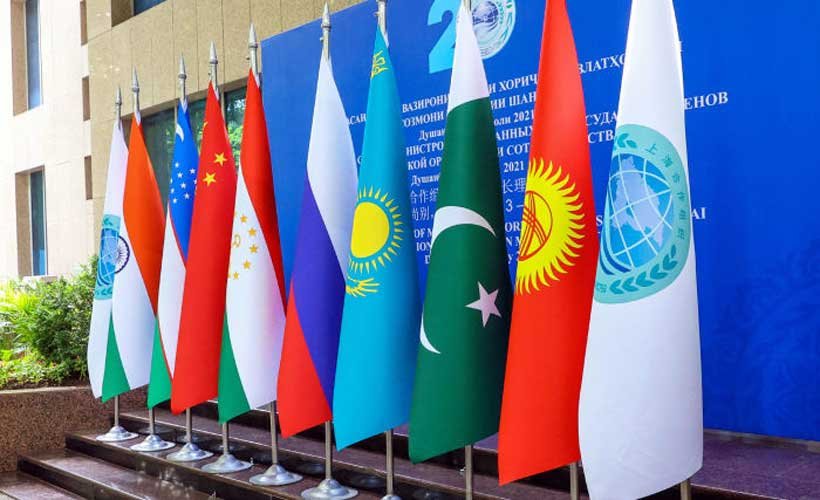
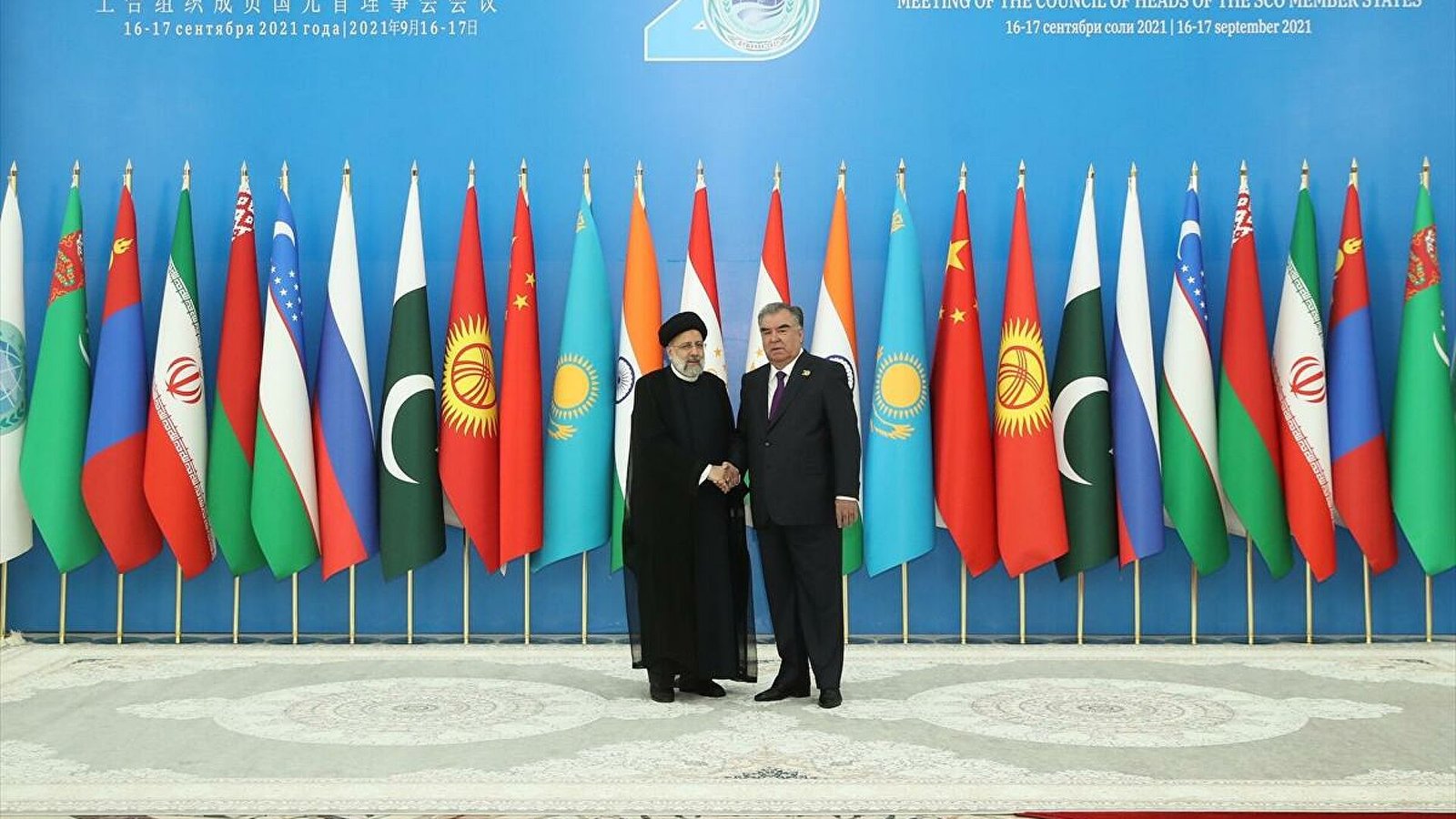
The Shanghai Cooperation Organization (SCO) accepting Iran as a member marks a significant shift in the global economic landscape, with far-reaching consequences. This development signifies a counter-movement against Western sanctions, as Russia, China, Iran, and other nations rewrite the rules of international economic interaction through deeper ties.
Iran enters the SCO during a period of profound global transformation. Initially focused on regional security, the organization, composed of Russia, China, and four Central Asian nations (Kazakhstan, Kyrgyzstan, Tajikistan, and Uzbekistan), shifted its focus towards economic priorities. This shift coincided with the lifting of sanctions against Iran after the Joint Comprehensive Plan of Action (JCPOA) in 2015.
US Policies and the Rise of Alternatives:
However, the US’s withdrawal from the JCPOA in 2018 and the implementation of new sanctions complicated Iran’s integration into the SCO’s evolving economic space. Yet, three major developments countered the intimidating factor of US sanctions:
- The COVID-19 pandemic: Disrupted the global economy, pushing countries towards alternative economic partnerships.
- US withdrawal from Afghanistan: Allowed China to lead economic development in Central Asia, creating a more favorable environment for Iran’s economic integration.
- Russia’s war in Ukraine: Forced several nations to strengthen economic ties with Russia and China, disregarding US threats of sanctions.
The US’s “friend-shoring” and “de-risking” strategies aim to limit the economic influence of China, Russia, and Iran. Friend-shoring focuses on procuring resources and goods from countries with aligned values, while de-risking emphasizes severing ties with potentially risky partners.
However, these strategies have backfired, leading to:
- Strengthened SCO and BRICS (Brazil, Russia, India, China, South Africa): These economic forums, joined by countries like Saudi Arabia and Argentina, represent 25% of the world’s population and 20% of global GDP, offering a powerful alternative to Western-dominated economic system.
- De-risking benefits for all parties: Iran, Russia, and China have turned to each other and their allies to build a more resilient economic network, independent of Western pressure.
The rising multi-polarity defined by the SCO presents a complex challenge for Western powers. Iran’s membership in the SCO signifies its liberation from its previous restrictive economic ties to the West, further consolidating the alternative economic bloc.
Please, subscribe to the YouTube channel of republicpolicy.com
Iran’s membership in the SCO is a significant development that has various implications for the region and beyond. Iran’s membership in the SCO reflects its desire to diversify its foreign relations and reduce its dependence on the West, especially after the U.S. withdrawal from the 2015 nuclear deal and the imposition of sanctions. Iran also seeks to enhance its regional influence and security by cooperating with other SCO members, especially China and Russia, who are its strategic partners and major economic investors. Iran’s membership in the SCO may also affect the dynamics of the Middle East, as it may increase Iran’s leverage in dealing with its rivals, such as Saudi Arabia and Israel, and create new opportunities for dialogue and cooperation with other regional actors, such as Turkey and Pakistan. Iran’s membership in the SCO may also have implications for the future of Afghanistan, as Iran shares a long border and historical ties with the war-torn country and has an interest in its stability and reconstruction. Iran may use the SCO platform to coordinate its policies and actions with other SCO members, especially China and Russia, who have also increased their engagement with the Taliban and the Afghan government.
Iran’s membership in the SCO may boost its economic prospects and integration with the region, as it may facilitate its access to the markets and resources of other SCO members, especially China and Russia, who are its major trading partners and sources of investment. Iran may also benefit from the SCO’s initiatives and projects, such as the Belt and Road Initiative (BRI) and the Eurasian Economic Union (EAEU), which aim to enhance connectivity and cooperation among the SCO members and beyond. Iran may also contribute to the SCO’s economic development and diversification, as it has a large population, a rich natural resource base, and a strategic location that connects Asia, Europe, and Africa. Iran may also offer its expertise and experience in various fields, such as energy, transportation, agriculture, and science and technology.
Iran’s membership in the SCO may have strategic implications for the regional and global balance of power, as it may strengthen the SCO’s position and role as a counterweight to the U.S. and its allies, especially in the context of the rising tensions and competition between the U.S. and China. Iran may also enhance the SCO’s capabilities and capacities in addressing the common security challenges and threats, such as terrorism, extremism, separatism, drug trafficking, cybercrime, and environmental degradation. Iran may also provide the SCO with a valuable access and influence in the Middle East, which is a vital region for the SCO’s interests and objectives. Iran may also benefit from the SCO’s security mechanisms and guarantees, such as the Regional Anti-Terrorist Structure (RATS) and the Treaty on Long-Term Good-Neighborliness, Friendship and Cooperation, which may help Iran to cope with the external and internal pressures and risks that it faces.
Iran’s membership in the SCO may also have other implications for the cultural, social, and humanitarian aspects of the region and beyond, as it may foster mutual understanding and respect among the diverse civilizations, religions, and cultures that the SCO represents and encompasses. Iran may also participate in and benefit from the SCO’s various activities and programs, such as the SCO Forum, the SCO Business Council, the SCO Interbank Association, the SCO Youth Council, the SCO University, and the SCO Culture and Arts Festival, which aim to promote dialogue, exchange, and cooperation among the SCO members and their people. Iran may also share its rich and ancient heritage and traditions with the SCO and the world, and contribute to the preservation and promotion of the common values and principles that the SCO upholds, such as mutual trust, mutual benefit, equality, consultation, respect for diversity, and common development.
Iran’s entrance into the SCO marks a pivotal moment in global economic history. This development signifies the emergence of a powerful counter-force against Western sanctions and the rewriting of international economic rules. The rising multi-polarity presents profound challenges and opportunities for countries around the world, as they navigate the increasingly complex and interconnected global economic landscape.
Please, subscribe to the monthly magazines of republicpolicy.com