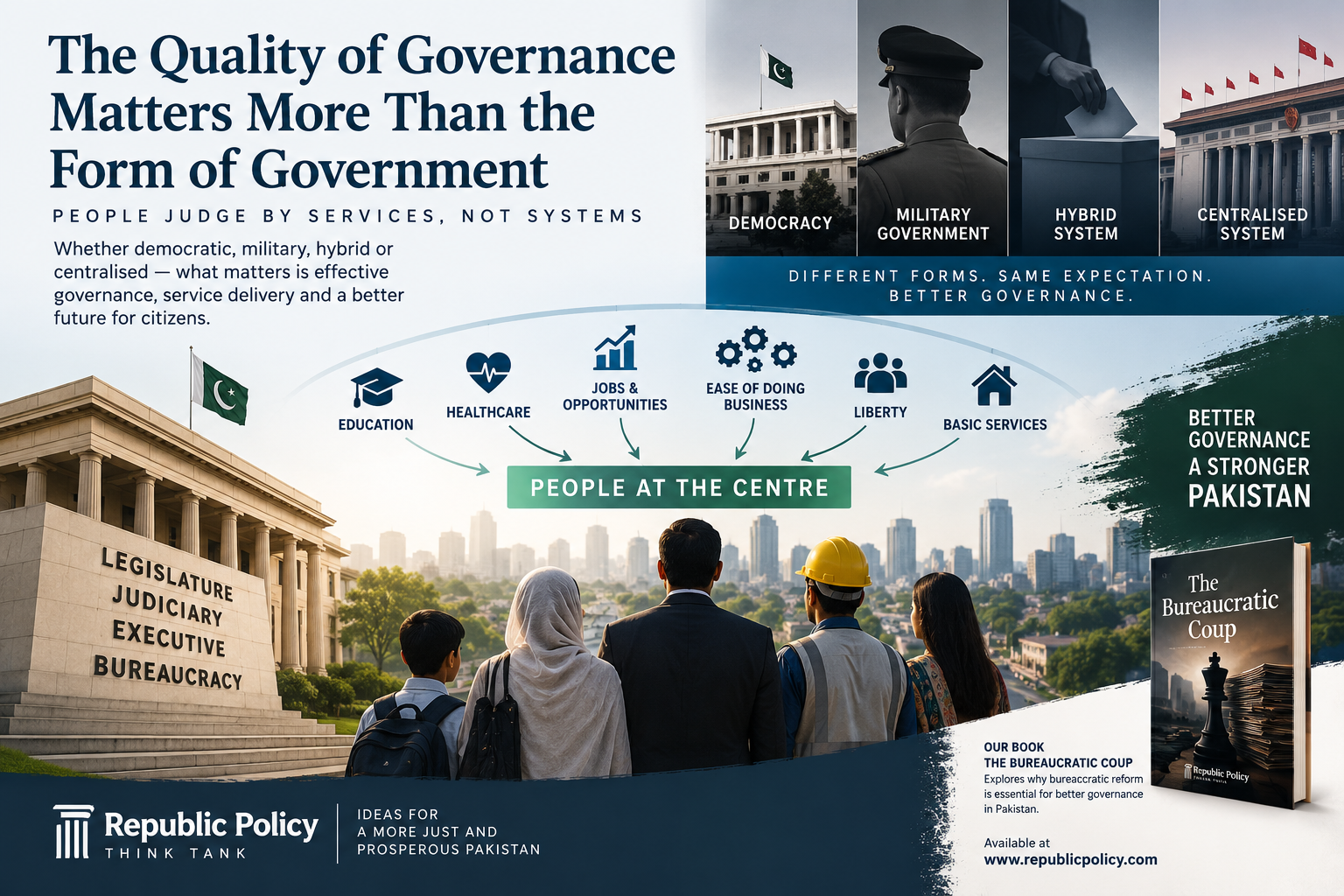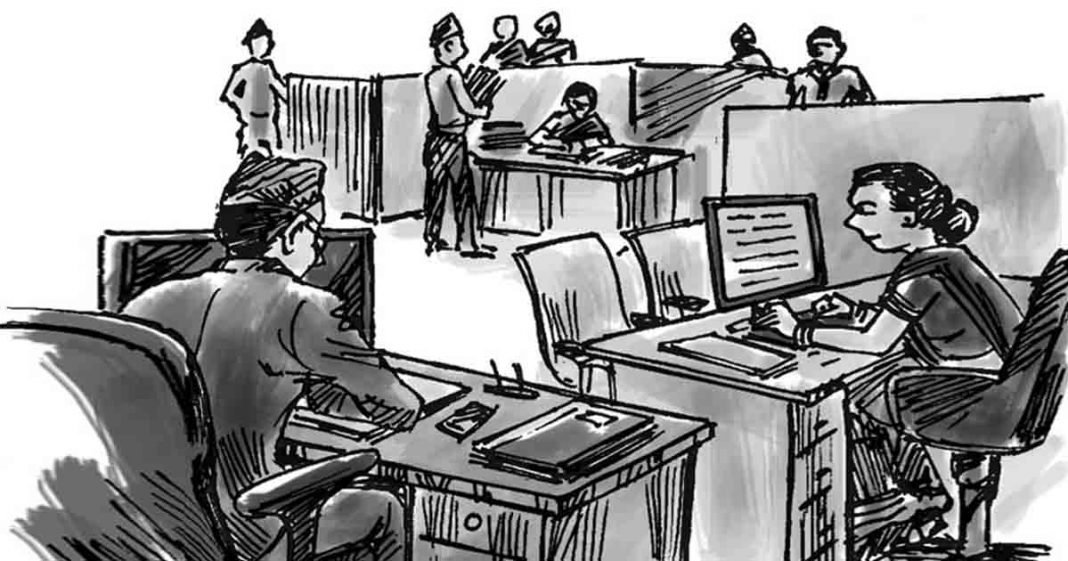

The concept of a real democracy is far from the creation of Pakistan. When elections are held and politicians take office, the real power often rests with the bureaucracy, creating a complex and sometimes contentious relationship that shapes the country’s political landscape.
Bureaucratic Roots:
Pakistan’s initial foundation was laid on the existing bureaucratic system inherited from the British Raj. The newly formed state lacked experienced politicians, which led to bureaucrats filling key positions, including governor-general and prime minister. This reliance on the bureaucracy led to delays in the first general elections, allowing them to consolidate their power and influence.
Strategy of Bureaucracy:
The analysis sheds light on various tactics used by bureaucrats to maintain their control over the political landscape.
Direct Control: Holding key positions like Governor General and Prime Minister allowed bureaucrats to directly influence policy and decision making.
Policy changes: Policies like “One Unit” and the declaration of Urdu as the national language are aimed at strengthening bureaucratic control and limiting political dissent.
Creating obstacles for politicians: Bureaucrats often use tactics to obstruct the efforts of elected officials, challenge their legitimacy and slow their progress.
Recurrent cycles of conflict:
Pakistan’s history is marked by recurring cycles of conflict between elected officials and a strong bureaucracy. Bhutto’s rise to power and the subsequent struggle against the ‘powerful circles’ is an example of this conflict. Similarly, Prime Minister Junejo’s clash with President Zia-ul-Haq highlights the tension between the two institutions.
Don’t forget to Subscribe our Youtube Channel & Press Bell Icon.
Hybrid Government and Khan’s Era:
After Zia’s death, Pakistan entered an era of “hybrid government”, where politicians held the public face of power, but bureaucrats retained significant influence behind the scenes. Khan’s rise to power marked an era against the established system, but his hardline attitude and disregard for bureaucracy ultimately led to his downfall.
Current challenges and future prospects:
The current interim government is criticized for prioritizing its own security rather than addressing public concerns. The analysis argues that a democratically elected government, even if partially elected, allows for greater public voice and accountability than technocratic or transitional governments.
Relationship Restoration:
Cooperation and balanced relationship between bureaucracy and politicians is very important for a functioning and stable democracy. Rebuilding trust and cooperation is critical to Pakistan’s long-term democratic development.
Critical Analysis:
While this analysis provides valuable insight into the complex dynamics between democracy and bureaucracy in Pakistan, it focuses primarily on the negative aspects of bureaucratic influence. Recognizing the potential contribution of bureaucrats to stability and governance would benefit. Moreover, in the historical and political context of Pakistan, advocating a purely elected government may not be realistic or practical.
Further considerations:
An in-depth analysis of the specific policies implemented by bureaucrats and their long-term impact on the nation will be strengthened. Furthermore, examining the role of external factors such as international pressure or military influence would provide a more comprehensive understanding of power dynamics. Finally, considering possible solutions other than simply advocating a purely elected government, such as reforming the bureaucratic system itself, may offer a more practical and sustainable path towards a more stable and democratic Pakistan.