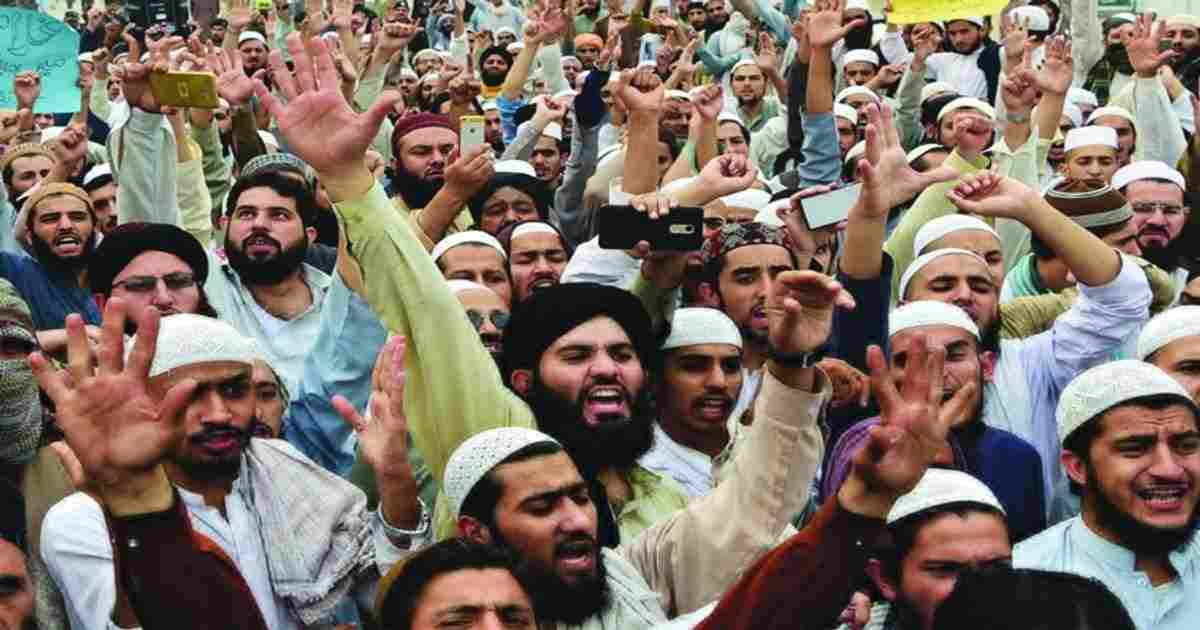

Religious extremism, a term that signifies the intense and often fanatical devotion to a particular religion or belief system, is a pressing issue that demands immediate attention. It involves rejecting mainstream societal attitudes and employing extreme measures to promote or defend one’s religious beliefs, sometimes leading to violence or terrorism against perceived enemies. There are various forms of religious extremism associated with different religions and ideologies.
Islamic extremism is characterized by a radical interpretation of Islam, often influenced by Salafism, and seeks to establish an Islamic state governed by Sharia law, sometimes resorting to jihad against non-believers or apostates. Infamous groups include Al-Qaeda, ISIS, Boko Haram, and Al-Shabaab.
Christian extremism is rooted in a fundamentalist interpretation of Christianity and aims to impose moral values on society while opposing or attacking those who challenge them, such as abortion providers or LGBT activists. Infamous groups include the Ku Klux Klan, the Army of God, and the Lord’s Resistance Army.
Jewish extremism is based on a nationalist or messianic interpretation of Judaism, often influenced by Zionism, and seeks to expand Israel’s territory and confront its enemies. Notable groups include the Jewish Defense League, the Kach and Kahane Chai movements, and the Gush Emunim underground.
Hindu extremism is characterized by a supremacist or militant interpretation of Hinduism, often influenced by Hindutva, and aims to protect and promote Hindu interests while opposing or attacking minority groups or critics of Hinduism. Infamous groups include the Rashtriya Swayamsevak Sangh, the Vishva Hindu Parishad, and the Shiv Sena.
Religious extremism poses a significant threat to the peace, stability, and development of Pakistan, leading to sectarian violence, terrorism, intolerance, radicalization, and political mobilization. According to a report, Pakistan witnessed a 120 per cent increase in terrorism-related deaths since 2021, with 643 deaths recorded in 2023. Additionally, religious extremism undermines social cohesion, democratic values, and human rights in Pakistani society, creating a grave situation that needs urgent attention.
To address religious extremism in Pakistan, a comprehensive and holistic approach is needed. This approach should include:
- Strengthening law enforcement agencies to investigate and prosecute individuals or groups involved in religious extremism while ensuring accountability and preventing abuse of power or human rights violations.
- Promoting dialogue and reconciliation among different religious sects and communities to foster mutual understanding, respect and tolerance, with support from civil society, media, and religious leaders.
- Implementing development and social welfare programs to address the economic, social and political grievances of marginalized and vulnerable segments of society, especially the youth, women, and minorities.
- Reforming the education system to provide quality, inclusive and modern education for all citizens, revising the curriculum and textbooks to remove biased or hateful content, and regulating religious seminaries to prevent the propagation of extremist ideologies.
- Launching awareness and sensitization campaigns to change cultural behaviours and attitudes towards religious diversity and pluralism, promoting democratic values, human rights, and civic responsibility.
Controlling religious extremism in Pakistan is a task that requires collective efforts and cooperation from the government, society, and the international community.
By taking these measures, Pakistan can overcome the challenge of religious extremism and realize its potential as a progressive, prosperous, and peaceful nation. Collaboration between the state and society is crucial to effectively address the menace of religious extremism and build a functional state and society.