
Fajer Rehman
There are years when Eid arrives as a genuine celebration, carrying with it the warmth of reunion, the sound of children in new clothes, and the collective exhale of a month’s devotion finally complete. This is not one of those years. Across Iran, Lebanon, and Gaza, thousands of families will mark Eidul Fitr not with greetings and embraces but with fresh grief, empty chairs, and the particular anguish of mourning in the middle of a festival. War does not observe religious calendars. And the wars pressing down on the Muslim world this Eid are neither distant nor abstract. They are unfolding in real time, with real bodies, in cities that Muslims across the globe know by name and hold in their hearts.
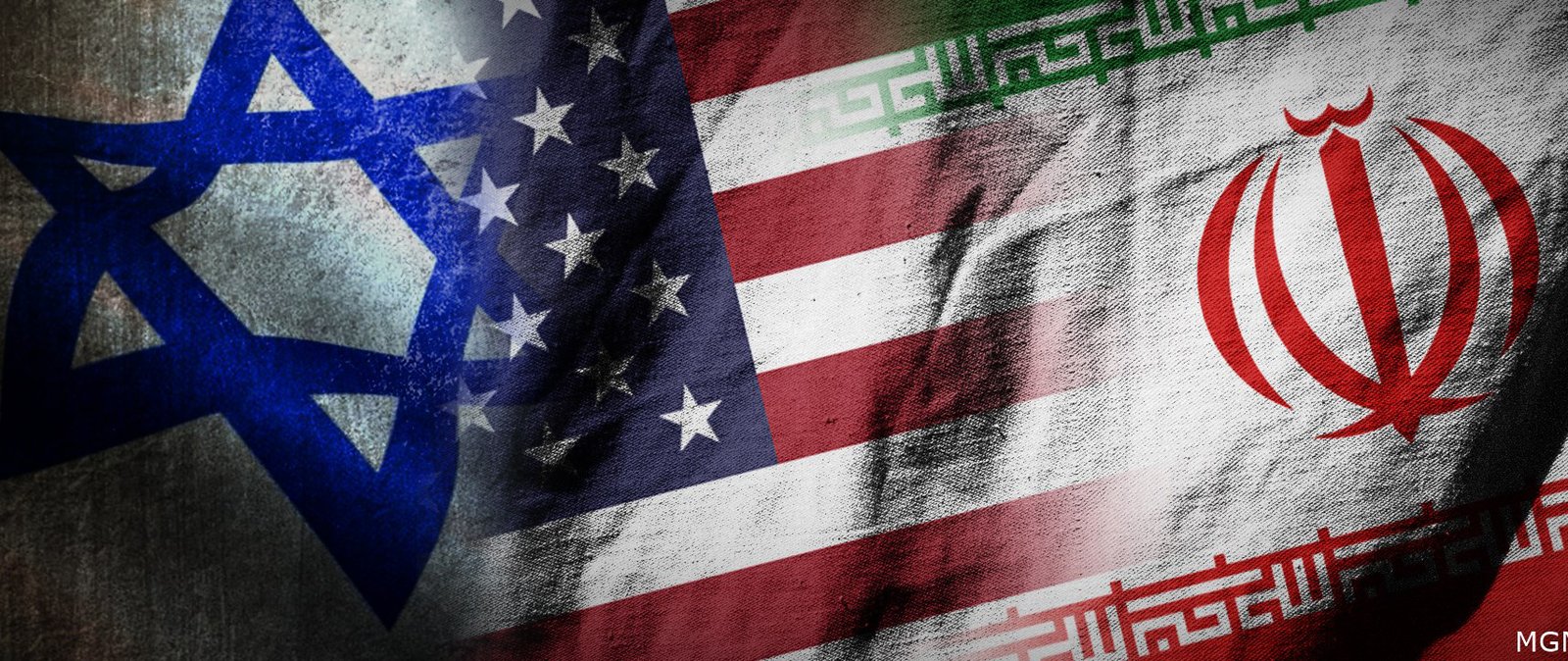
The scale of destruction demands that it be stated plainly. Since the United States and Israel launched their military campaign against Iran, over fourteen hundred people have been killed. Among Iran’s top leadership, casualties have been severe. But it is the civilian toll that most fully captures the horror of what is being done. The killing of nearly one hundred and eighty people, most of them schoolchildren, in the Iranian town of Minab is not a footnote. It is a crime that belongs at the centre of any honest reckoning with this conflict. Children attending school are not combatants. Their deaths are not collateral. They are the direct and foreseeable consequence of a war waged with contempt for the distinction between military and civilian life.
Lebanon carries its own unbearable weight. Since the start of this month alone, Israel has killed close to a thousand people and displaced nearly a million more. The official justification is Hezbollah’s rocket fire, but this framing requires a selective memory. Israel had been violating the Lebanese ceasefire repeatedly before any significant escalation, and the disproportionate fury with which it has struck Lebanese territory speaks to ambitions that go well beyond deterrence or retaliation. Lebanon, a country already broken by decades of economic collapse, political paralysis, and foreign interference, is once again being bled.
In Gaza, the pause in active genocide has not restored anything resembling normalcy. Over seventy-two thousand Palestinians have been killed since October 2023. The humanitarian situation remains catastrophic. Food, medicine, and shelter are still inadequate for a population that has been systematically stripped of every foundation of ordinary life. A pause in killing is not peace. It is merely the silence between atrocities, and the world must resist treating it as resolution.
The tremors extend beyond the immediate theatres of war. Iran’s counter-strikes against what it describes as American and Israeli targets have rattled Gulf cities accustomed to presenting themselves as stable islands in a turbulent region. Countries on the periphery of the conflict, including Pakistan, are feeling the economic pressure as energy prices rise and the threat of spillover sharpens. Fragile economies cannot absorb the shocks of regional war indefinitely, and the uncertainty alone is sufficient to deter investment, suppress growth, and deepen the hardship already facing ordinary citizens across South Asia and the Gulf.
What makes this moment particularly painful is the response from the Muslim world itself. Or rather, the near-total absence of one. When Israel was killing children in Gaza, the comity of Muslim states largely offered silence or gestures too weak to constitute even symbolic resistance. When Israel extended its military presence into Syria, there was no unified condemnation. When the assault on Iran began, the collective response was again insufficient, failing to match the gravity of what was happening to a sovereign Muslim country. And yet, when Iran struck back, criticism was swift. Tehran’s attacks on targets in neighbouring countries are not without their own complications. Strikes that endanger civilians in third countries are difficult to defend and carry real costs for regional stability. These concerns are legitimate and must be voiced.
But there is a profound dishonesty in a conversation that scrutinises Iran’s response while refusing to name the provocation that produced it. The United States and Israel have demonstrated a consistent willingness to attack sovereign states, dismember societies, and overturn governments that do not align with their interests. That pattern of aggression is the elephant in the room that Muslim leaders are declining to address. If the ummah had presented genuine unity, if the Organisation of Islamic Cooperation had functioned as a body capable of coordinated political and economic pressure, the calculus of those contemplating these wars would have been different. Aggression seeks weak targets. Disunity is an invitation.
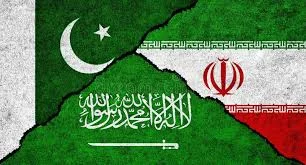
Muslim states meeting in Riyadh recently called for a halt to Iranian attacks on Gulf neighbours. That is a reasonable and necessary position. But it is gravely incomplete without an equally unambiguous call from the OIC for an immediate ceasefire in Iran and Lebanon, and for an end to the American and Israeli military campaigns that have brought the Muslim world to this bitter Eid.
The greetings can wait. Justice cannot.