
Dr Bilawal Kamran
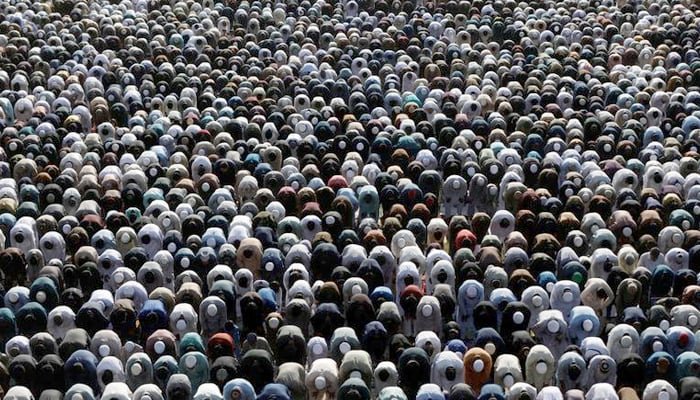
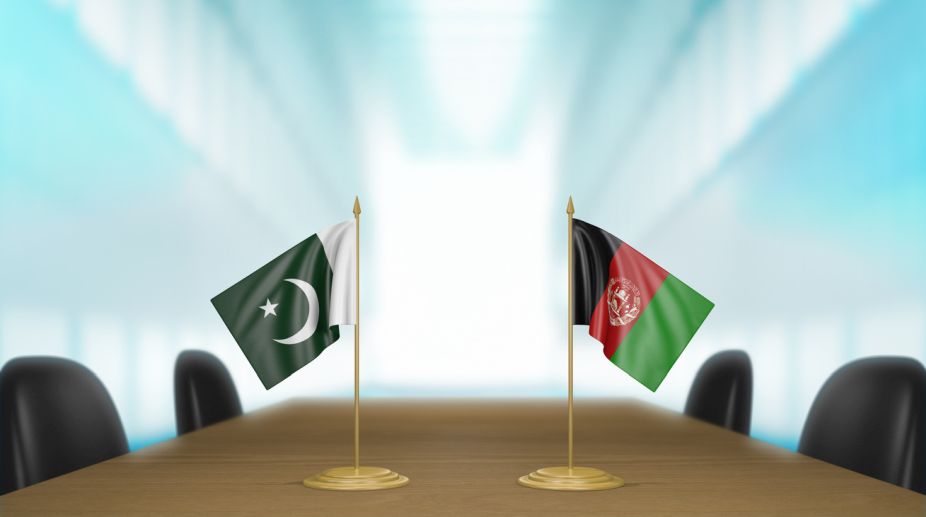
Wars have their own cruel calendars. They rarely pause for prayer, and they seldom yield to the softer imperatives of festival and faith. That is what makes the current halt in hostilities between Pakistan and Afghanistan, timed on the eve of Eid, something more than a tactical convenience. It is, if read with clear eyes and a steady mind, a rare opening in a relationship that has been deteriorating with alarming speed. Whether the two countries have the wisdom to convert this pause into something permanent will define the course of the region for years to come.
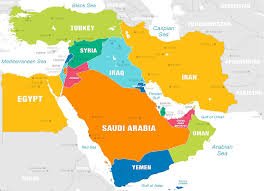
The guns have fallen temporarily silent, and the credit for this breathing space belongs, in significant measure, to the quiet diplomatic efforts of Saudi Arabia, Qatar, and Turkiye. These are not passive bystanders. They are Muslim-majority states with deep cultural and religious ties to both Islamabad and Kabul, and their willingness to intervene speaks to how seriously the wider Islamic world views the dangers of an extended conflict between two neighbouring Muslim nations. Their involvement also underscores something that hardliners on both sides must absorb: the region does not want this war. The neighbourhood is watching, and it is hoping for restraint.
The roots of this crisis are not mysterious. Pakistan launched Operation Ghazab Lil Haq for one reason, and one reason only: the Taliban administration in Kabul has repeatedly refused to acknowledge, let alone act against, the terrorist infrastructure that flourishes on Afghan soil. The Tehreek-e-Taliban Pakistan, along with elements of Al-Qaeda and the Islamic State Khorasan Province, have found in Afghanistan not merely a sanctuary but an operational base from which they plan, finance, and execute attacks against Pakistani citizens and security forces. This is not a Pakistani allegation. It is a conclusion documented in successive reports by the United Nations and affirmed by a wide range of regional and international observers. To dismiss this as propaganda or political posturing is not a defence of Afghan sovereignty. It is a denial of fact.
Pakistan’s military operation, it must be clearly understood, is directed at the terror networks embedded in Afghan territory. It is not a declaration of war against the Afghan people, whose suffering over four decades of conflict commands genuine sympathy. It is not a challenge to the Taliban government’s authority over its own affairs. It is a demand, backed by force when diplomacy failed, that the common enemy of both nations be confronted rather than accommodated. The distinction matters enormously, and it must not be buried under the noise of nationalist posturing.
The Taliban regime’s conduct in recent weeks has been deeply troubling. Rather than seizing the moment to address Pakistan’s legitimate grievances, Kabul chose a different path. It launched strikes on Pakistani forward positions at Chaman and Torkham, two of the most critical border crossings in the region. It made gestures designed to appease the very elements whose dismantlement Pakistan has been demanding. In doing so, it moved the situation dangerously close to a point from which retreat becomes politically difficult for either side. Whoever advised this approach in Kabul served Afghanistan poorly. Jingoism that plays well in front of a domestic audience has a way of producing consequences that the same audience eventually pays for in blood and deprivation.
The Eid ceasefire, however fragile, changes the equation momentarily. It creates a window. The question is whether there are men of sufficient foresight in both capitals to climb through it before it closes. The answer requires more than good intentions. It requires a structured, composite dialogue that goes beyond platitudes about brotherhood and addresses the hard questions directly. What mechanisms will ensure that Afghan soil is not used for cross-border terrorism? What joint monitoring arrangements can be established? What happens when violations occur, and who arbitrates? These are the questions that need answers, and they cannot be answered by speeches at Eid prayers. They need sustained, serious, and honest negotiation.
There is a framework available for this. A joint counterterrorism policy between Pakistan and Afghanistan, built on mutual commitment and practical cooperation, is not an idealistic fantasy. It is a functional necessity. Pakistan possesses considerable military and intelligence expertise in counterterrorism operations, expertise accumulated at enormous cost over decades of confronting precisely the kind of networks that now threaten both countries from Afghan territory. Afghanistan, burdened by the legacies of occupation and internal fragmentation, could benefit from this partnership rather than treating it as an affront. The proposition is not dominance. It is collaboration in a shared interest.
The broader Islamic world has a role that it must not shrink from. China, which has invested heavily in regional stability and whose concerns about terrorism in Xinjiang are directly tied to the same networks operating in Afghanistan, must use its considerable leverage with the Taliban to push for de-escalation. Arab states, particularly those who have already shown initiative in brokering this ceasefire, must sustain their engagement beyond the Eid holiday. A one-time mediation effort that produces a temporary pause but no lasting framework will have accomplished very little. The Taliban decision-makers need to hear, clearly and consistently, from those whose opinions they respect, that the path they are currently walking leads to Afghanistan’s further isolation and the destruction of whatever economic and diplomatic gains they have accumulated since 2021.
Pakistan’s position in all of this must also remain calibrated. Military operations create facts on the ground, but they do not, by themselves, create durable security. The objective is not to humble Kabul. It is to secure the border, neutralise the threat, and arrive at an arrangement that makes the recurrence of this crisis less likely. That objective is best served by combining firmness on the core demand, which is the dismantlement of terrorist safe havens, with genuine openness to dialogue on everything else.
Decades of shared history, of common faith, of intertwined peoples whose families and tribes do not recognise the Durand Line as a wall between strangers, cannot be discarded for the hollow satisfactions of a confrontation that neither country can afford. The silence of guns before Eid must become the beginning of a conversation, not merely the intermission of a war.