Editorial
The recent tit-for-tat missile strikes between Pakistan and Iran have undoubtedly caused significant strain on their longstanding relationship. While both nations have officially moved towards de-escalation, a critical evaluation reveals the underlying complexities and challenges that remain to be answered. Despite the official rhetoric of “friendly and brotherly” ties, both nations harbour suspicions regarding each other’s support for militant groups operating across their borders. Pakistan’s concerns about Baloch separatists finding refuge in Iran and Iran’s accusations of anti-Iran outfits operating from Pakistani soil fuel this distrust.
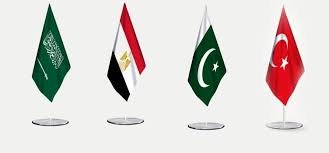
The existing border security measures and high-level dialogues have not been sufficient to prevent the use of each other’s territory by militant groups. The recent missile strikes highlight the inadequacy of these mechanisms in addressing core issues. The regional geopolitical landscape plays a role in this regard. Pakistan’s close ties with Saudi Arabia, Iran’s key rival, can create friction. Additionally, the influence of global powers can further complicate the situation.
The immediate focus is on de-escalation, with both foreign ministers engaging in talks. Pakistan’s use of the term “minor irritants” in the National Security Committee meeting suggests a conciliatory approach.
Pakistan is exploring the possibility of strengthening existing mechanisms and deepening intelligence cooperation to prevent future incidents. However, the effectiveness of these proposals hinges on mutual trust and addressing the root causes of suspicion. Rebuilding trust will be a long and arduous process. Addressing the concerns of both nations regarding militant groups and ensuring transparency in border security measures is also crucial. The new mechanisms need to be robust and address the root causes of tension, not merely paper over the cracks. This requires a genuine commitment from both sides to cooperate effectively.
Managing external influences that might seek to exploit the tensions will be another challenge. Both nations need to prioritize their own interests and avoid being drawn into regional rivalries.
While the immediate threat of escalation appears to have subsided, the recent events have exposed significant vulnerabilities in the Pakistan-Iran relationship. Building a stronger and more sustainable partnership requires addressing the core issues of trust and mutual security concerns. This necessitates a sincere commitment from both sides, effective new mechanisms, and the ability to navigate external pressures. Only then can both nations truly move towards a future of peaceful and mutually beneficial cooperation.
Please, subscribe to the YouTube channel of republicpolicy.com