
Editorial
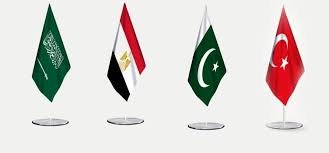
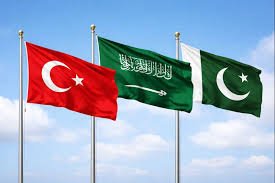
The trilateral defence framework between Pakistan, Saudi Arabia and Türkiye is not an alliance built on ideology or grand ambition. It is born from necessity. Defence Production Minister Raza Hayat Harraj recently confirmed that a draft agreement exists after nearly a year of negotiations. This matters because it signals a fundamental shift in how regional powers approach security.
Saudi Arabia’s participation is the most telling development. Riyadh has traditionally relied on Washington for security guarantees. But recent years have exposed the fragility of that dependence. Attacks on Saudi infrastructure went unanswered with the force Riyadh expected. Regional conflicts escalated while Western partners hesitated. Vision 2030 now demands defence production at home, not endless imports from abroad.
Pakistan and Türkiye offer what Saudi Arabia needs: experience, manufacturing capacity and technological collaboration without political strings attached. Türkiye has become a serious defence exporter. Pakistan knows how to produce cost-effective military hardware and train competent forces. Together they create an ecosystem that reduces vulnerability to sanctions and export controls.
This framework is not a NATO-style mutual defence pact. It is something more flexible and realistic. Joint production of drones, air defence systems and naval platforms will lower costs and build indigenous capacity. Enhanced training and interoperability allow limited joint operations in humanitarian missions or maritime security. Strategic consultation mechanisms enable crisis coordination when regional tensions flare suddenly.
The geopolitical implications are significant. Western capitals will watch cautiously but are unlikely to confront the arrangement directly. China will welcome anything that stabilizes its energy corridors. India will feel uneasy about Pakistan’s expanded partnerships and enhanced defence industrial base.
For Pakistan, this represents strategic relevance beyond South Asia at a moment when isolation remains a genuine concern. It also opens doors to Gulf investment in training facilities, logistics hubs and industrial zones. The agreement is modest in scope but profound in implication. It reflects the reality that regional powers must now rely on themselves.