
Editorial
The latest voter data released by the Election Commission of Pakistan (ECP) is a promising sign for the country’s democratic future. The electoral gender gap, which for years has been a persistent obstacle to inclusivity, has finally shrunk to below 10 million. This significant milestone, however, comes with a clear message: the journey towards true gender parity in voter participation is far from over.
With the overall voter count soaring beyond 128 million, women now represent a respectable 46.13% of the electorate. This shift, while heartening, highlights a crucial challenge – the gap remains unevenly distributed across the provinces. Punjab, with a disparity exceeding 5 million, stands at the forefront of this issue, followed by Sindh, Khyber Pakhtunkhwa, and Balochistan.
The data paints a stark picture. While Punjab boasts districts with female voter percentages exceeding 48%, areas like South Waziristan (Lower) in Khyber Pakhtunkhwa report a dismal 34.54%. This stark contrast not only reflects the varied sociopolitical landscapes of these provinces but also pinpoints where targeted interventions are most desperately needed.
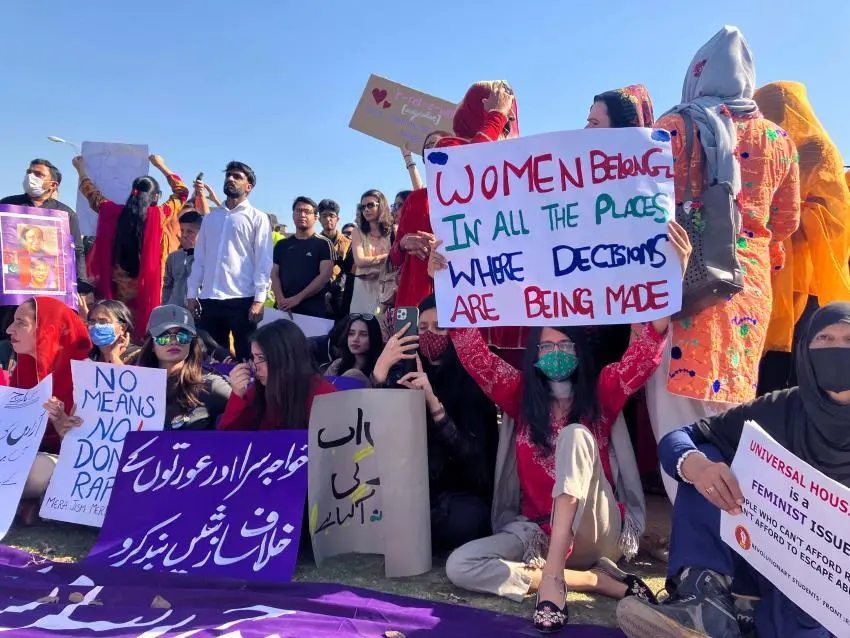
The responsibility to further narrow this gap falls squarely on the shoulders of several key stakeholders. Political parties, in particular, must move beyond mere electoral competition and embrace their role as stewards of democracy. They must champion initiatives that encourage and facilitate women’s voting, ranging from awareness campaigns to ensuring the availability of safe and accessible polling stations. Additionally, they must tackle the sociocultural barriers that often impede women’s political participation.
Communities, too, have a crucial role to play. Comprehensive efforts to educate and engage communities, especially in regions with pronounced gender disparities, are essential. This engagement must go beyond tokenism and genuinely empower women, dismantling the entrenched patriarchal norms that restrict their political agency.
Looking back, the history of Pakistan’s elections reveals a persistent struggle with the gender gap. The peak disparity of 13.17 million in 2016 serves as a stark reminder of the challenges faced. The current reduction is a testament to the concerted efforts of various stakeholders, including the ECP. However, the objective extends beyond mere decreasing numbers; it aims for the ultimate achievement of gender parity in voter participation.
As we approach future elections, the narrowing of this gap marks a significant milestone, signaling progress but also reminding us that a considerable journey lies ahead. It is crucial to recognize that the true strength of a democracy is measured by the inclusivity of its processes.
Political parties, civic groups, and communities must persist in their collaborative work to ensure that every citizen’s voice, regardless of gender, is heard and valued at the ballot box. This journey towards an inclusive, equitable democracy demands unwavering commitment and concerted action from all sectors of society. Let us strive to make this progress not a fleeting moment but a legacy we solidify for future generations.
Please, subscribe to the YouTube channel of republicpolicy.com