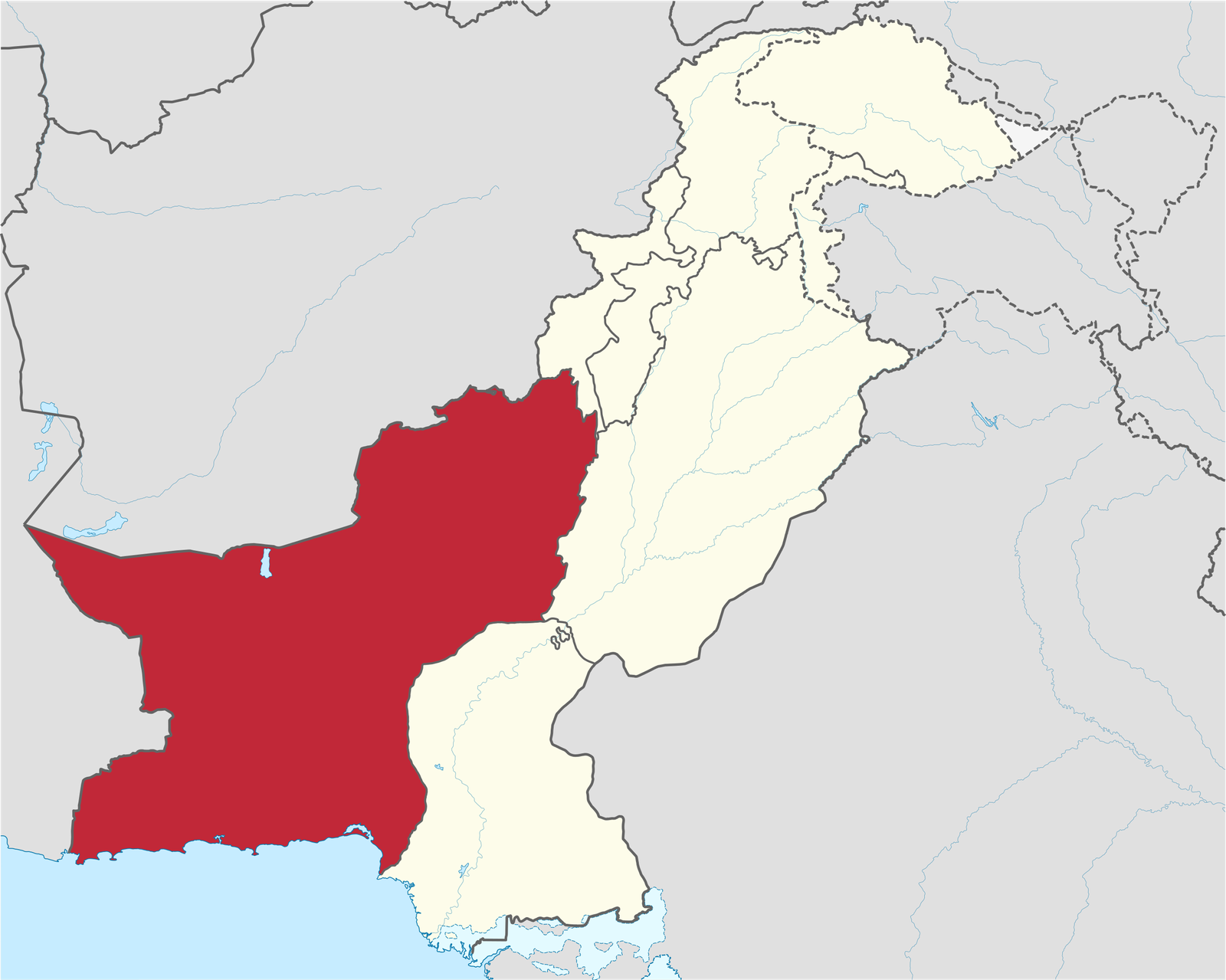

Karachi has been grappling with a continuing wave of respiratory infections, with fears heightened after the Sindh Health Department confirmed five locally transmitted cases of the JN-1 strain of Covid-19. This highly infectious new form, which is currently causing concern in various countries, has drawn attention to the emerging challenges posed by ever-adapting viruses. The situation has been further clarified by the detection of three Covid-19 positive passengers at the Jinnah International Airport.
The confirmation of these cases by the Aga Khan University Hospital underscores the important role that vigilant surveillance plays in identifying and responding to emerging threats. Proactive reporting by the Aga Khan University Hospital not only demonstrates the hospital’s commitment to public health, but also highlights the need for a robust surveillance system to track and contain the spread of new strains. As health experts caution against complacency, despite modest declines in respiratory infections, the importance of increased screening and testing services becomes clear. The detection of the JN-1 variant in Karachi has prompted the Sindh Health Department to consider setting up a task force to deal with this emerging threat. With three out of five locally transmitted cases being women, this adds another layer of concern, emphasizing the need for a comprehensive strategy that takes into account the diverse demographic impact of the virus. .
Don’t forget to Subscribe our Youtube Channel & Press Bell Icon.
Health experts, such as Dr. Abdul Ghafoor Shoro and Dr. Altaf Hussain Khatri, both representing the Pakistan Medical Association, stress the importance of being cautious. Although there has been a slight decrease in respiratory infections, experts highlight that patients can still have complications, and in some cases recovery is taking longer than expected. Dr. Shore stresses the need for specific detection through increased screening and testing services to effectively manage patients with flu, chest infections and pneumonia.
The increasing number of flu cases in Karachi since October 2023 is a cause for concern. Although hospitalization and mortality rates have been low, the impact on the elderly and children is significant. Faced with these challenges, the city must prioritize and increase its efforts in screening, testing and surveillance to effectively counter the growing threat posed by JN-1 variants and To ensure the health and well-being of the residents.