Editorial
There is a question the Afghan Taliban cannot keep avoiding. It is direct, it is serious, and it demands an honest answer. Why will you not sever ties with the Tehreek-e-Taliban Pakistan?
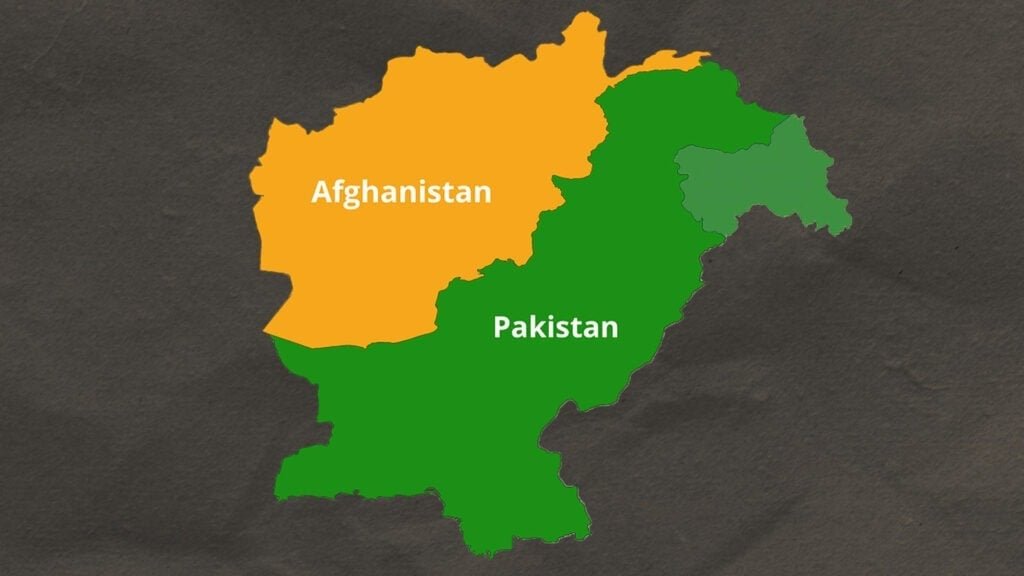
This is not a diplomatic formality. It is the central issue sitting at the heart of everything that has gone wrong between Kabul and Islamabad. The TTP operates from Afghan soil. It plans attacks from Afghan soil. It retreats to Afghan soil after striking Pakistani citizens, soldiers, and state installations. The Afghan Taliban know this. They have always known this. The pretence that the TTP is beyond their reach or outside their influence is not credible to anyone paying attention.
Pakistan has tried dialogue. It has tried back-channel pressure. It has extended patience that, by any reasonable measure, has long been exhausted. None of it has produced results. The attacks continue. The funerals continue. The grief in Pakistani towns and villages along the border continues.
So the question acquires a harder edge. If the Afghan Taliban will not break from the TTP, and will not control it, and the TTP continues to carry out organised violence inside Pakistan, what exactly is left? A state has an irreducible obligation to protect its people. When that threat is being sustained and sheltered across a border, the logic of self-defence does not stop at that border. Pakistan has exercised restraint. Restraint, however, is not an infinite resource, and it is not a substitute for security.
Kabul must understand what it is choosing. Inaction is itself a choice. Continued shelter for those killing Pakistanis is itself a policy. The Afghan Taliban must decide whether they are a responsible government or a patron of regional instability. That decision belongs to them. But its consequences will not.