
Mubashar Nadeem
The United Nations Security Council Monitoring Team continues to document a disturbing reality: Afghanistan has become a permissive haven for terrorist organizations that threaten not only the region but potentially the wider world. The latest report confirms what observers have long suspected, that the banned Tehreek-e-Taliban Pakistan may soon pose threats beyond its traditional operational theater. This is not speculation or alarmism. This is documented assessment from international monitors who track these networks with precision and care.
Pakistan has endured nearly twenty years of TTP brutality. Thousands of lives have been lost to this group’s merciless campaign of violence. Soldiers, civilians, children, scholars: the TTP has spared none in its pursuit of destabilization. Yet the suffering may not remain confined to Pakistan. If the warnings contained in this UN report go unheeded, other states in the region could find themselves in the crosshairs of an emboldened terrorist network that operates with impunity from Afghan soil.
The report also highlights the persistent presence of Islamic State Khorasan Province terrorists along the Pakistan-Afghanistan border. These militants represent a distinct but equally dangerous threat, one that manifested horrifically in the February 6 bombing of an imambargah in Islamabad. That attack, which claimed innocent lives and shattered families, demonstrated that IS-K retains significant operational and combat capability despite what the report terms sustained counterterrorism pressure.
The picture emerging from Afghanistan is unflattering but hardly surprising. The TTP ranks among the largest terrorist groups in that country. What proves more troubling is that this organization enjoys greater liberty and support from the de facto authorities in Kabul, the Afghan Taliban themselves. This is not merely passive tolerance. This is active facilitation of a group that has dedicated itself to attacking a neighboring sovereign state.
The UN report expresses concern that the TTP may deepen its cooperation with Al Qaeda, another organization that maintains cordial relations with the Taliban regime. This potential alliance should alarm anyone familiar with the history of transnational terrorism. Al Qaeda’s previous partnership with the Taliban during their first period of rule culminated in the September 11 attacks and the subsequent US invasion. One might have expected the Taliban to learn from that catastrophic miscalculation. Clearly, they have not.
The Afghan Taliban authorities claim that no terrorist groups operate within their territory. The UN report notes with stark clarity that no member state supports this view. Not one. This universal rejection of Taliban claims speaks volumes about the regime’s credibility on matters of counterterrorism and its willingness to confront reality.
Meanwhile, the Afghan Taliban wage war against IS-K, but not because of any principled opposition to terrorism. They fight IS-K purely for ideological reasons, because that group refuses to recognize Taliban legitimacy and challenges their interpretation of Islamic governance. This selective approach to militancy reveals the hollowness of Taliban claims about maintaining security and stability in Afghanistan.
The situation demands immediate and collective action. Pakistan cannot address this threat in isolation. Afghanistan’s neighbors must unite in delivering a clear, unambiguous message to Kabul: if the Taliban want regional recognition, trade opportunities, and integration into the broader international community, they must dismantle the terrorist infrastructure on Afghan soil. There can be no compromise on this fundamental requirement.
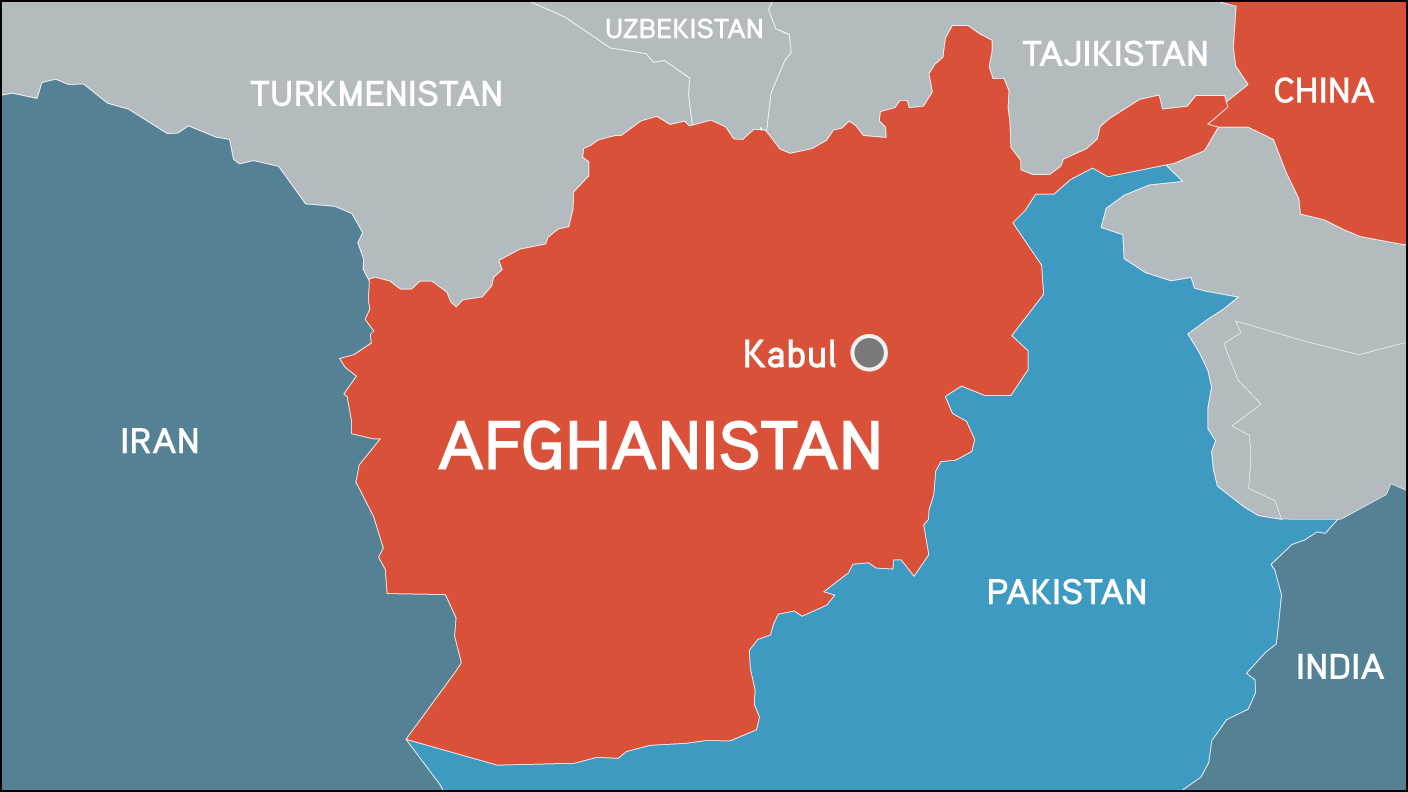
Every country bordering Afghanistan shares an interest in preventing that nation from becoming a launching pad for regional destabilization. Central Asian states, Iran, Pakistan, China: all face potential threats from the militants the Taliban shelter. A coordinated regional approach offers the only realistic path toward compelling Kabul to take meaningful action against these groups.
The message must be consistent and sustained. Recognition and economic integration are powerful incentives, but only if the Taliban understand that these benefits depend entirely on their willingness to neutralize terrorist networks. Half-measures and empty promises should not suffice. The international community must demand verifiable action, tangible results, and ongoing cooperation in monitoring and eliminating terrorist capabilities.
Pakistan, meanwhile, must maintain maximum vigilance along its borders. Preventing IS-K infiltration requires robust border security, sophisticated intelligence capabilities, and the will to neutralize terrorist cells and their collaborators within Pakistani territory. The February imambargah attack demonstrated that these networks can strike at the heart of the capital. Constant alertness and proactive counterterrorism operations remain essential.
The stakes could not be higher. If the TTP expands its operations beyond Pakistan, if IS-K finds new targets across the region, if Al Qaeda rebuilds its capacity under Taliban protection, the consequences will reverberate far beyond Afghanistan’s immediate neighbors. The international community ignored the warning signs once before, in the years leading to 2001. That mistake cost thousands of lives and triggered decades of conflict.
History need not repeat itself. But preventing that repetition requires clear-eyed recognition of the threat, collective determination to address it, and sustained pressure on those who provide sanctuary to terrorists. Afghanistan’s neighbors must act together. The alternative is unthinkable.