
Bilawal Kamran
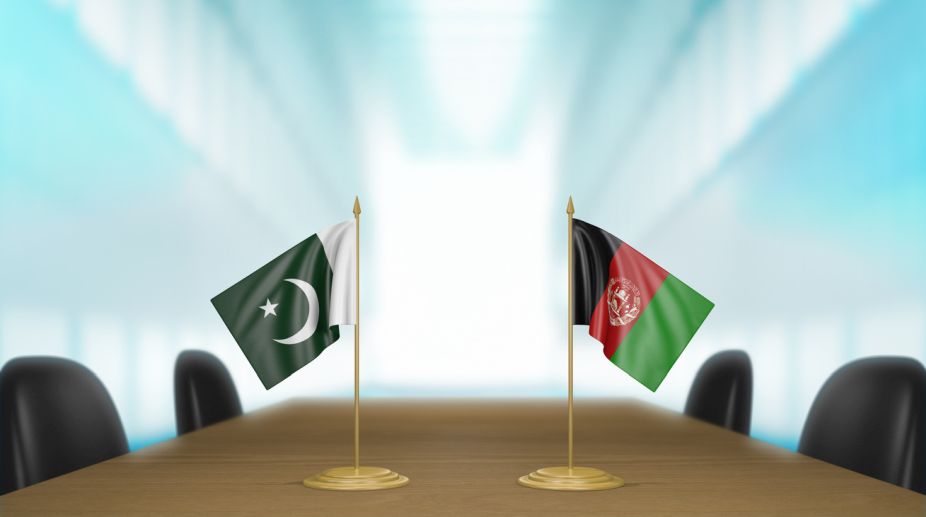
Afghanistan has presented its ability to keep goods moving despite repeated border closures with Pakistan as a sign of economic resilience. In 2025, trade volumes were maintained by diverting cargo through Iran’s Chabahar port and overland routes across Central Asia. On paper, this appears adaptable. In reality, it conceals significant costs, inefficiencies, and missed opportunities that the Afghan economy cannot afford.
Trade does adapt under pressure, but adaptation is never free. For a landlocked, low-income country like Afghanistan, longer routes increase freight costs, insurance premiums, multiple trans-shipment points, and exposure to political or logistical bottlenecks across several jurisdictions. These costs are ultimately borne by exporters through reduced margins or by consumers through higher prices. In a country already burdened by poverty, sanctions, and slow growth, this extra cost quietly undermines competitiveness.
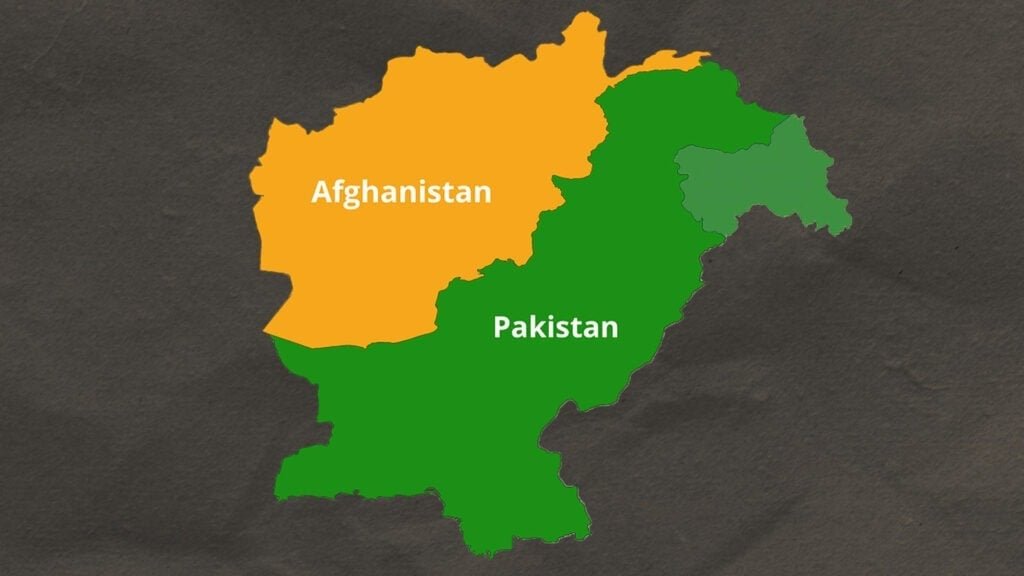
Kabul’s claims of resilience often overlook a key fact: Pakistan remains Afghanistan’s most efficient trade corridor. Geography has not changed. Pakistan provides the shortest, cheapest access to global markets, supported by established infrastructure, deep port capacity, and decades of commercial integration. Alternative routes can supplement trade but cannot replace Pakistan without imposing structural penalties on efficiency and costs.
This distinction between resilience and sustainability is critical. Coping strategies such as rerouting trade keep commerce alive temporarily. Growth requires scale, predictability, and cost efficiency. Afghan exports—agricultural products, dried fruit, carpets, and minerals—are highly sensitive to transport delays and costs. Every extra day or handling charge erodes competitiveness, turning temporary resilience into potential stagnation.
Disrupted Pak-Afghan trade also hurts Pakistan. Transit revenues, port throughput, and supply chains for border communities are lost. Economic interdependence, which could serve as a stabilising factor, weakens. Both sides pay the price, even if unequally.
At the core of this problem is the failure to separate trade from security. Border closures driven by security concerns push trade into costlier channels without addressing underlying instability. Kabul’s pledges against cross-border terrorism have often failed to translate into sustained action. Without credible enforcement, no trade diplomacy can restore confidence or predictability at the border.
The lesson is clear: alternative routes buy time, not prosperity. For Afghanistan, stabilising security arrangements with Pakistan is not a political concession—it is an economic imperative. Streamlined border management, intelligence cooperation, and predictable transit rules will reduce costs, restore competitiveness, and unlock growth that rerouting cannot achieve.
Iran and Central Asia will remain part of Afghanistan’s trade mix, and diversification has value. Yet Pakistan remains indispensable. Geography, infrastructure, and market access make it unavoidable.
Trade will survive disruption. Growth will not. Afghanistan’s economic future depends on security, efficiency, and structured trade with Pakistan—not improvisation.