
Editorial
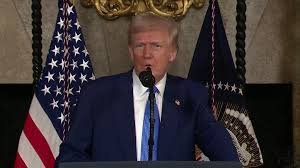
The United States has once again altered the direction of its trade policy, imposing a new 10% tariff on most imports not covered by exemptions. The measure, announced by customs authorities, follows a turbulent few days in which President Donald Trump first proposed a 10% temporary global tariff after a ruling by the US Supreme Court struck down earlier duties, and then publicly suggested the rate would rise to 15%. For now, however, the lower figure stands.
The lack of clarity surrounding the final rate has added to the uncertainty that already clouds American trade policy. Markets, businesses and foreign governments are left guessing whether the 10% tariff is a holding measure or the beginning of a steeper protectionist phase. While some analysts believe the effective tariff burden may ultimately decline compared to the pre-court ruling period, the immediate picture is far from settled.
Legally, the administration is relying on Section 122, which allows temporary duties of up to 150 days to address serious balance-of-payments concerns. The White House argues that America’s large goods trade deficit justifies such action. Yet the broader question remains whether tariffs are being used as a strategic economic tool or as leverage in ongoing political and diplomatic negotiations.
Allies including Japan, the European Union and Britain are watching closely, wary of sudden shifts that could disrupt existing agreements. China, meanwhile, has called on Washington to abandon unilateral measures and return to negotiations.
In the end, the issue is not merely the difference between 10% and 15%. It is about predictability. Global trade depends on stability and trust—qualities that shifting proclamations risk undermining.