
Tahir Masood Chheena
As Pakistan celebrates another Eid, the situation in Balochistan remains dire, with escalating violence painting a grim picture for the province. The recent suicide attack near a Balochistan National Party-Mengal (BNP-M) sit-in at Lak Pass in Mastung is just the latest in a series of deadly incidents that have rocked the region in recent weeks. Former lawmaker Akhtar Mengal, a key figure leading a long march against the crackdown on Baloch Yakjehti Committee (BYC) activists, narrowly escaped the attack unharmed. However, the violence continues to surge, leaving a trail of destruction and fear in its wake.
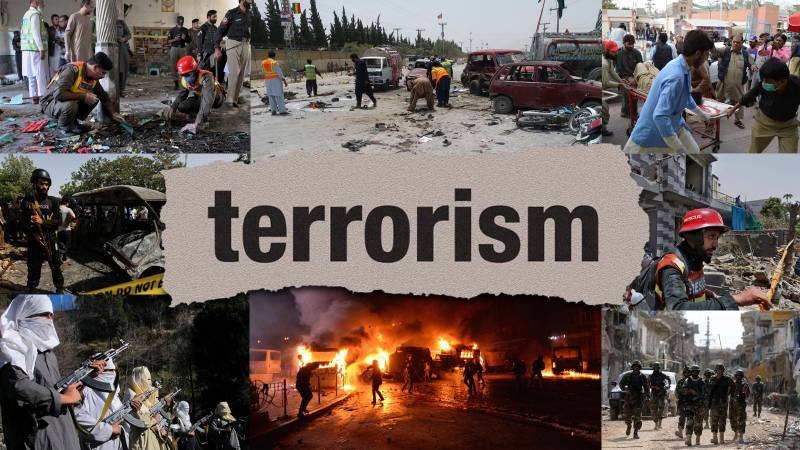
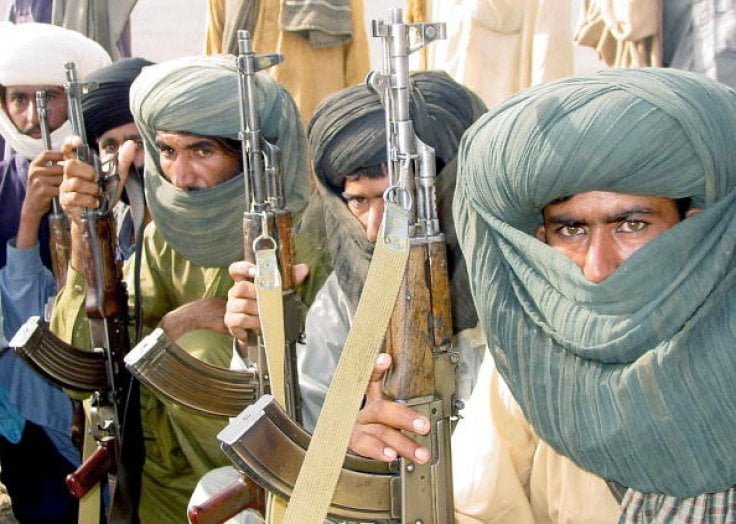
This latest suicide bombing is not an isolated incident. In the past month alone, Balochistan has witnessed a sharp uptick in targeted killings and attacks. From the tragic deaths of passengers on a Karachi-bound bus in Gwadar’s Kalmat area to the murder of laborers and police officers in Kalat and Noshki, and the bomb blast targeting a paramilitary convoy on the Nushki-Dalbandin highway, the province has become a hotspot for militancy. Additionally, the destruction of railway tracks and a hostage crisis involving the Jaffar Express passengers highlight the growing strength of militant groups, particularly the Balochistan Liberation Army (BLA). These attacks are not only a threat to public safety but also to the sovereignty of the state, as militants increasingly challenge the government’s authority.
The security situation in Balochistan has deteriorated to such an extent that authorities have been forced to impose restrictions on night travel along national highways in several districts. This decision effectively concedes control of these areas to insurgents after dark, underlining the magnitude of the security challenge. What started as a localized insurgency is now morphing into an all-out war, with reports of collaboration between the BLA and the Tehreek-e-Taliban Pakistan (TTP), and credible allegations of foreign involvement further complicating the situation.
Despite the military’s ongoing operations against these militant groups, including a recent intelligence-based operation that resulted in the killing of six militants in Kalat, it is evident that a purely military solution will not be enough to resolve the crisis. The root cause of the violence lies in the political and economic alienation of the people of Balochistan, which has been exacerbated by decades of neglect from the federal government.
The current approach of the federal government, which includes the arrest of Baloch Yakjehti Committee (BYC) leaders such as Mahrang Baloch and Sammi Deen Baloch on charges of terrorism and incitement, is only deepening the divide between the government and the Baloch people. These arrests are seen as heavy-handed tactics, further alienating the local population and fueling resentment. Instead of resolving the crisis, the government’s actions are contributing to a sense of disenfranchisement, which only serves to bolster the insurgents’ narrative that the Baloch people are politically and economically marginalized within Pakistan.
The Balochistan issue is not just about security but about long-standing grievances over political exclusion, economic deprivation, and resource inequality. Balochistan, despite being rich in natural resources, has remained one of the least developed and most impoverished provinces in Pakistan. The local population has long felt that they are not benefiting from the wealth generated by their land, leading to widespread discontent. This disillusionment has fueled separatist movements and provided a fertile ground for militant groups like the BLA, which seeks to challenge the state’s authority and gain autonomy for the province.
The insurgency in Balochistan is also a reflection of broader national issues. The centralization of power in Pakistan, with an emphasis on Punjab’s dominance in political and economic affairs, has marginalized the smaller provinces, including Balochistan. This imbalance has contributed to a growing sense of alienation, especially in Balochistan, where many believe that their voices are not being heard in the halls of power. The federal government’s failure to address these issues, coupled with the increasing militarization of the province, is only exacerbating the situation.
The military’s approach, while necessary for security, must be part of a broader strategy that includes addressing the political and economic grievances of the Baloch people. Military operations alone cannot win the hearts and minds of the people; only a comprehensive political solution that addresses the root causes of discontent will bring lasting peace to the region.
Pl subscribe to the YouTube channel of republicpolicy.com for quality podcasts:
This solution must involve meaningful dialogue with the Baloch leadership and civil society, addressing issues of political autonomy, resource distribution, and economic development. The federal government must ensure that the Baloch people have a greater stake in the decision-making processes that affect their lives. This means empowering local leaders and giving the province more control over its resources, rather than imposing top-down policies that are perceived as exploitative.
Moreover, the government must invest in infrastructure and social development projects that directly benefit the people of Balochistan. Improving education, healthcare, and employment opportunities will go a long way in alleviating the sense of neglect that fuels resentment in the province. A focus on sustainable development that incorporates the needs and aspirations of the local population is critical for long-term peace and stability.
At the same time, the federal government must take steps to ensure that Balochistan’s grievances are addressed in a manner that is both inclusive and transparent. This means engaging with all stakeholders, including Baloch nationalist groups, civil society organizations, and the military, to find a political solution that is acceptable to all parties. Without such a solution, Balochistan will continue to be a hotbed of violence and instability, with far-reaching consequences for Pakistan’s national security.
The situation in Balochistan is a clear reminder that military solutions alone are insufficient to address complex political and social issues. While the state must continue to defend its sovereignty and protect its citizens, it must also recognize the underlying causes of the conflict and take steps to address them. A political resolution, one that offers the Baloch people a sense of inclusion and justice, is the only way to ensure lasting peace in the province.
In conclusion, as Pakistan celebrates Eid, the situation in Balochistan offers a stark contrast to the festivities. The province’s escalating violence and the growing power of militant groups like the BLA highlight the urgent need for a comprehensive political solution. The federal government must shift its approach from military crackdowns to meaningful dialogue and development, addressing the grievances of the Baloch people and ensuring that their voices are heard. Only then can Balochistan find the peace and stability it desperately needs.