
Hafeez Ahmed Khan
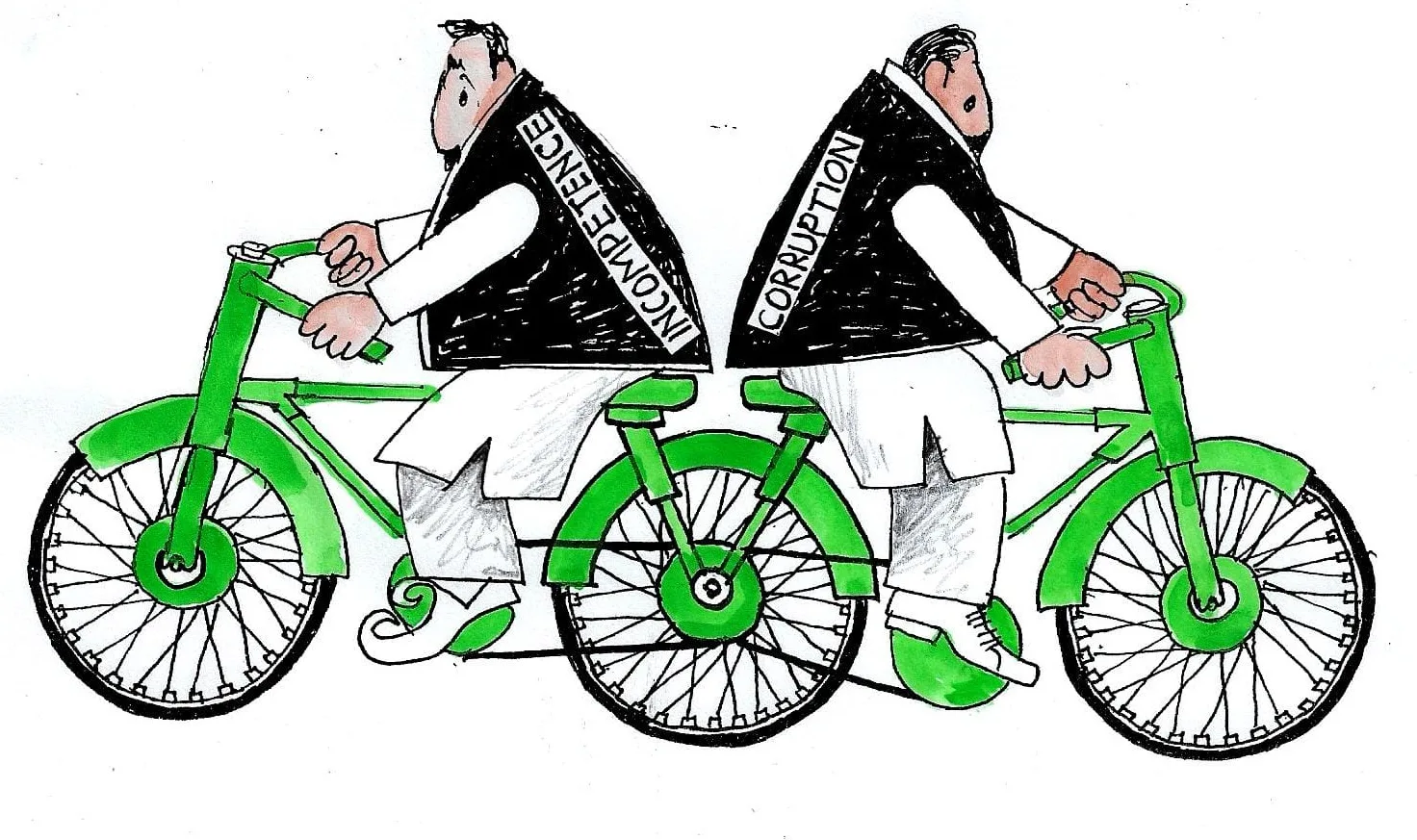
Impact of Corruption and Incompetence on Governance
In the public sector in Pakistan, there is a common debate about human resources. Who is better, corrupt but efficient or honest but incompetent? Ideally, a public servant who is both honest and competent is best suited for the system. However, this has been the case in Pakistan only some of the time. Therefore, it always ignites a debate. Different administrators have different approaches to their public human resources. Let’s talk about them in detail!
Corruption and incompetence are two of the most severe threats to good governance. They can have a devastating impact on the delivery of public services, economic growth, and social development.
Corruption is the abuse of public office for personal gain. It can take many forms, such as bribery, embezzlement, nepotism, and cronyism. Corruption undermines trust in government and institutions, and it can lead to a wide range of negative consequences, including:
Reduced public service delivery: When government officials are corrupt, they may use public funds for their own personal benefit, or they may award contracts to unqualified companies in exchange for bribes. This can lead to a decrease in the quality and quantity of public services that are delivered to citizens.
Economic inefficiency: Corruption can also lead to economic inefficiency. When government officials are corrupt, they may make decisions that benefit themselves or their cronies rather than the public good. This can lead to wasted resources and missed opportunities for economic growth.
Increased poverty and inequality: Corruption can also lead to increased poverty and inequality. When corrupt government officials divert public funds to their own pockets or when they award contracts to unqualified companies, it leaves less money for essential public services such as education, healthcare, and social safety nets. This can disproportionately harm the poor and vulnerable.
Weakened democracy: Corruption can also weaken democracy. When citizens distrust their government, they are less likely to participate in the political process. This can lead to a decline in democratic accountability and responsiveness.
Incompetence is the lack of skill or ability to do something successfully. In the context of governance, incompetence can refer to a lack of knowledge, experience, or judgment on the part of government officials. Incompetent government officials may make poor decisions, mismanage resources, and fail to deliver on their promises.
Incompetence can have a number of negative consequences for governance, including:
Ineffective public policy: Incompetent government officials may design and implement ineffective public policy. This can lead to a waste of resources and a failure to achieve desired outcomes.
Delayed or incomplete projects: Incompetent government officials may be unable to manage public projects effectively. This can lead to delays, cost overruns, and incomplete projects.
Poor service delivery: Incompetent government officials may be unable to deliver high-quality public services to citizens. This can include things like education, healthcare, infrastructure, and public safety.
Reduced public trust: Incompetence can lead to a loss of public trust in government. This can make it difficult for the government to implement policies and programs effectively.
Which is More Dangerous for Governance, Service Delivery, and Productive Outcomes?
Both corruption and incompetence can have a negative impact on governance, service delivery, and productive outcomes. However, corruption is generally considered to be more dangerous, as it is a deliberate and intentional abuse of power. Corrupt government officials are actively working against the public interest, and they are often motivated by personal greed.
Incompetent government officials, on the other hand, may simply lack the skills and abilities necessary to do their jobs effectively. They may be making poor decisions or mismanaging resources out of ignorance or inexperience. While incompetence can still have a negative impact on governance, it is generally less harmful than corruption, as it is not intentional.
In terms of service delivery, corruption is also more harmful than incompetence. Corrupt government officials may award contracts to unqualified companies in exchange for bribes, or they may divert public funds to their own pockets. This can lead to a significant decrease in the quality and quantity of public services that are delivered to citizens.
Incompetent government officials, on the other hand, may simply be unable to manage resources effectively or deliver services in a timely and efficient manner. However, they are less likely to sabotage public services for their own personal gain deliberately.
Finally, corruption is also more harmful to productive outcomes than incompetence. Corrupt government officials may make decisions that benefit themselves or their cronies rather than the public good. This can lead to a waste of resources and missed opportunities for economic growth.
Incompetent government officials, on the other hand, may simply be unable to make the best decisions for the economy. However, they are less likely to make decisions that harm the public interest deliberately.
Overall, corruption is more dangerous for governance, service delivery, and productive outcomes than incompetence. Corruption is a deliberate and intentional abuse of power, while incompetence is often the result of ignorance or inexperience. Corrupt government officials are more likely to sabotage public services and harm the economy for their own personal gain.
Conclusion
Corruption and incompetence are both serious threats to good governance. They can have a devastating impact on the delivery of public services, economic growth, and performance outcomes. However, mostly, it is considered that corruption is more dangerous for ineffective governance. However, then, there is another point of view. It believes corruption can be controlled by applying checks and balances, whereas efficiency and competence can not be managed by applying more training and hard work. Therefore, corrupt but capable public servants are more beneficial to the system than inefficient and incapable public servants. They further argue that so many corrupt people and public servants, when going abroad and working in their systems, perform far better and even with honesty, so it is relative, and it all depends upon the system how to deliver.
Accordingly, it takes work to decide who is better for good governance and service delivery. The phrase is a two-edged sword, and it settles upon the systems administrators and how they deal with both of them.
Please, subscribe to the YouTube channel of republicpolicy.com