The Taliban did not rise through democratic processes in Afghanistan. No election conferred legitimacy upon them, nor did any referendum validate their violence. They captured Kabul by force, and since that day, ordinary Afghans—the farmers, schoolchildren, and shopkeepers—have borne the consequences. Decades of suffering do not signify consent; they reflect subjugation.
It is critical for the international community to distinguish between Taliban control and the will of the Afghan people. These are fundamentally distinct realities. Afghans remain hostages in their own country, not supporters of their oppressors. Any policy that treats the Taliban as Afghanistan’s legitimate representative undermines the experiences of countless citizens who have mourned lost opportunities, endured repression, or witnessed the disappearance of their loved ones.
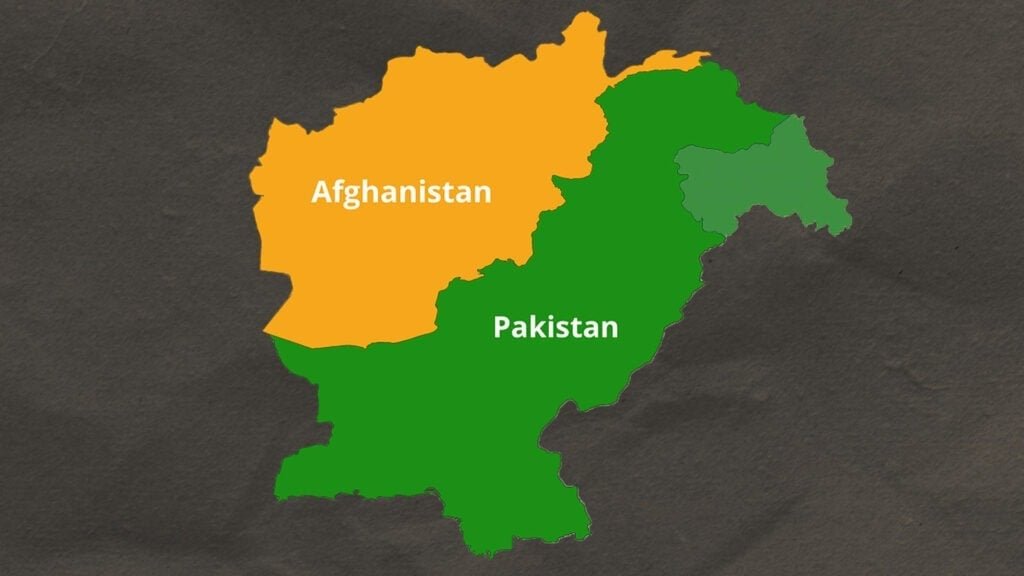
Pakistan faces a pivotal moment. Historically, its approach has been to influence Afghanistan through proxies and engineered instability—a strategy that has repeatedly backfired, producing terrorism, insecurity, and a neighbor that exports turmoil rather than trade. The more sustainable path lies not in sustaining the Taliban, but in investing in the Afghan people.
Islamabad must make a decisive shift: bolster Afghan civil society, support education, strengthen livelihoods, and nurture political alternatives. The goal should be to create conditions in which Afghans can reclaim agency and replace a government that rules through fear. A stable and representative Afghanistan is not a threat to Pakistan; it represents Pakistan’s most significant strategic opportunity.
When Afghans govern themselves through accountable institutions, the region as a whole benefits: commerce flourishes, militancy declines, and borders transform from conflict zones into channels of cooperation.
Pakistan must decide whether to cling to the flawed comfort of accommodating the Taliban or embrace the bold opportunity of genuine Afghan partnership. Empowering the Afghan people and dislodging an illegitimate regime is not idealism—it is pragmatic realism. Success for Afghanistan is success for Pakistan; continued stagnation ensures hardship for both.