
Ramadan is supposed to be a month of restraint, reflection, and spiritual renewal. For two Pakistani families, it became a month of irreversible loss. Lieutenant Colonel Shahzada Gul Faraz, a seasoned commander who led from the front, and Sepoy Karamat Shah, a young soldier from Peshawar, paid with their lives in Bannu on Saturday. Five terrorists were eliminated, a suicide bomber intercepted before he could slaughter civilians in the city. The security forces did their job. The question is whether anyone else is doing theirs.
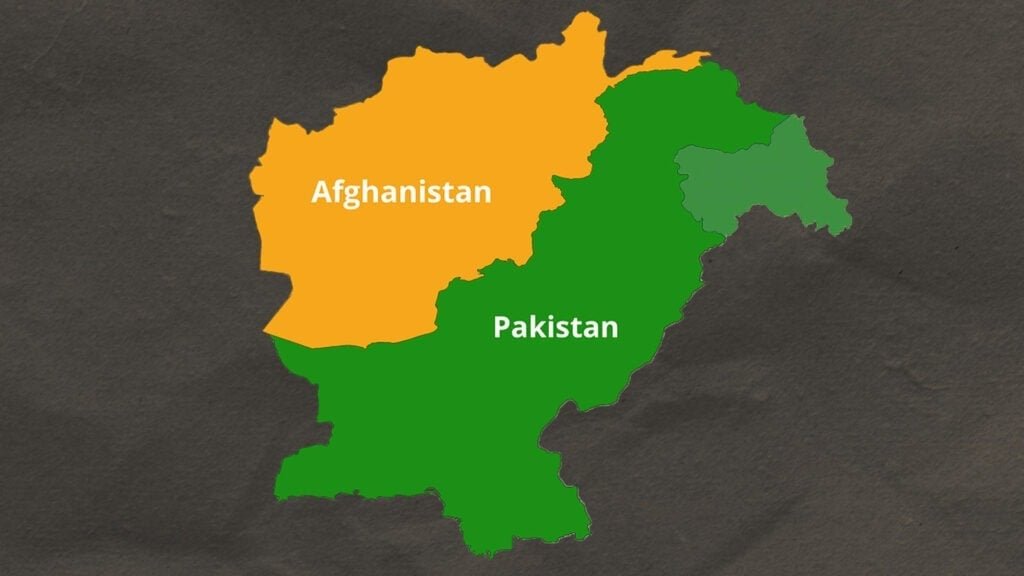
The Afghan Taliban regime is not. This is no longer a matter of dispute or diplomatic ambiguity. Tehreek-e-Taliban Pakistan operates from Afghan territory with a consistency that renders Kabul’s denials laughable. These attacks do not happen occasionally. They happen persistently, systematically, and with enough logistical sophistication to suggest that someone across the border is looking the other way at minimum, and actively enabling at worst. Pakistan’s military has now dropped the pretense of patience entirely, warning that operations will pursue terrorists irrespective of their location. That is a significant statement. Whether it translates into meaningful cross-border pressure or remains rhetorical ammunition is what history will judge.
The numbers behind Saturday’s tragedy demand honest confrontation. A 34 percent surge in terrorist attacks in 2025. Over a thousand dead. Khyber Pakhtunkhwa bearing the overwhelming burden with 413 attacks in a single year. These are not statistics. They represent families destroyed, communities terrorized, and a state perpetually fighting a war it has not yet defined a decisive strategy to win.
The border closure produced a measurable 17 percent reduction in December attacks, which is instructive. Controlling movement saves lives. Sustained political will, however, is what saves nations. Presidential condemnations and prime ministerial grief, however sincere, cannot substitute for the structural accountability this crisis demands.