
Mubashar Nadeem
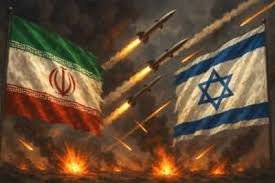
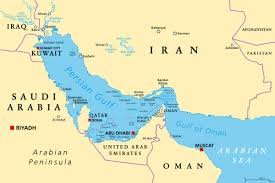
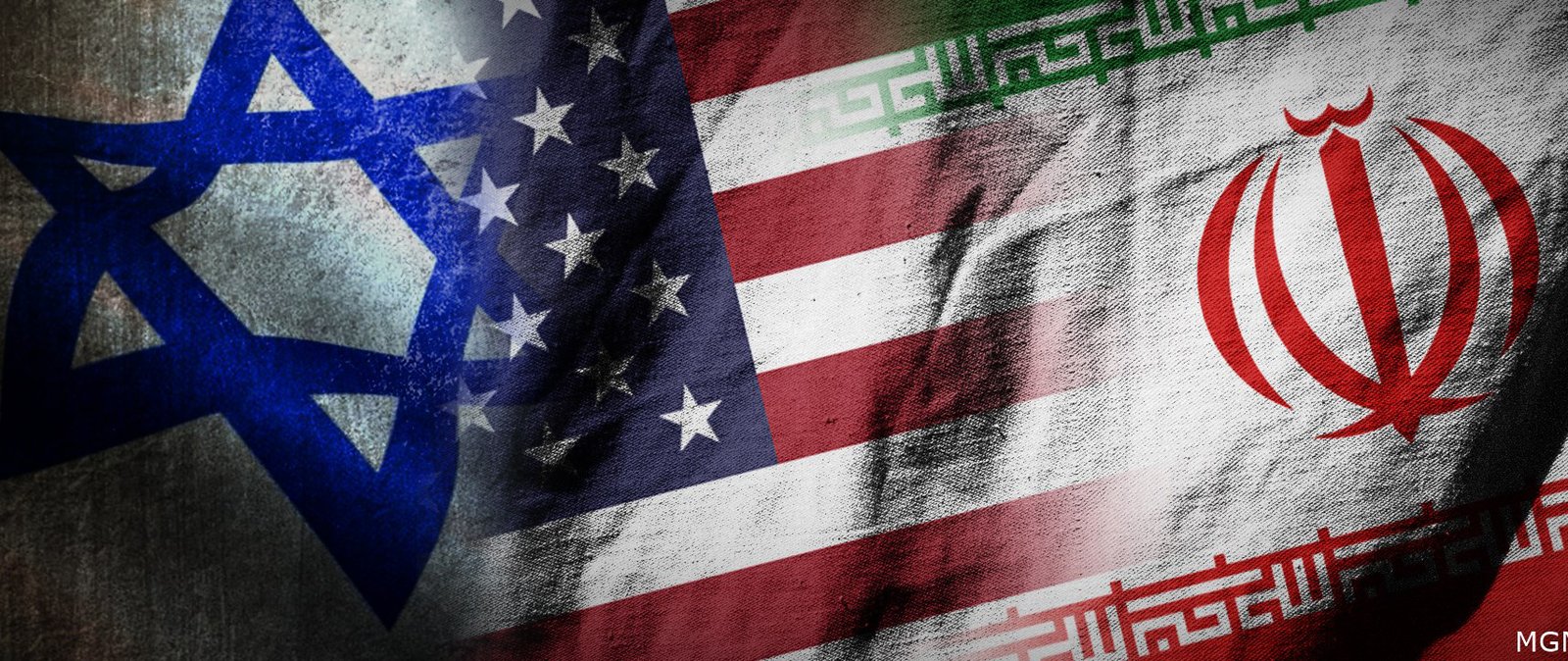
The conflict between Iran, Israel, and the United States has escalated into one of the most serious geopolitical crises in recent memory, threatening not only regional stability but also global security. What began as a long-standing rivalry shaped by ideological, strategic, and historical tensions has now manifested in direct military confrontations, missile strikes, and retaliatory operations. Israel, prioritizing its national security, relies heavily on U.S. support, while Iran has employed a combination of conventional and asymmetric measures to safeguard its sovereignty and project regional influence. The ramifications of this war extend well beyond the Middle East, affecting energy markets, international trade, and the broader geopolitical balance.
For the United States, the crisis presents a complex and increasingly precarious challenge. President Donald Trump faces mounting pressure both domestically and internationally. Within the country, anti-war sentiment has grown significantly, reflected in massive nationwide protests questioning the justification and management of U.S. military engagement. Abroad, none of America’s traditional allies, with the exception of Israel, have shown readiness to participate or endorse the ongoing military campaign. As a result, the United States finds itself largely isolated, compelled to confront a sophisticated adversary without the full backing of the international community.
Trump’s own approach to the conflict has been marked by inconsistency and oscillation. On one hand, he has spoken of possible withdrawal from hostilities, suggesting that an exit may be considered if circumstances allow. On the other, he has issued some of the most aggressive threats in recent U.S. history, warning that Iran could be “blasted back to the stone age.” In a recent primetime address, he claimed that the military operation was “nearing completion” while emphasizing that Iran would be struck “extremely hard” before any resolution. Such rhetoric appears designed to reassure a skeptical domestic audience while projecting strength internationally, yet it also reflects the narrow strategic options available and the uncertainty surrounding the outcome.
The dilemma confronting the United States is stark and deeply consequential. A decision to withdraw at this stage, with Iran appearing to maintain the upper hand, could be perceived as a defeat, potentially undermining both domestic credibility and global standing. Continuing the conflict, however, carries equally severe risks: a prolonged war with no clear end in sight, high human costs, and profound economic consequences. Already, the conflict has disrupted global markets, caused energy prices to spike, and heightened fears of a worldwide economic slowdown. These developments not only threaten global stability but also risk significant damage to the American economy itself.
This crisis underscores a critical lesson: military power alone cannot resolve deeply entrenched geopolitical conflicts. Aggressive actions, while intended to project strength, may instead entrench positions, escalate hostilities, and amplify unintended consequences. The human, economic, and political costs of prolonged conflict demand careful consideration and the pursuit of diplomatic avenues wherever feasible.
As the war unfolds, the international community faces a test of strategic foresight and diplomatic skill. The ability to balance deterrence with negotiation, to project power without provoking uncontrollable escalation, and to mitigate economic fallout will determine not only the immediate course of the conflict but also the broader trajectory of regional and global stability. In this context, prudence, measured decision-making, and engagement with multilateral partners are essential to prevent a crisis of unprecedented scale.
Ultimately, the Iran–Israel–U.S. confrontation is a stark reminder of the limits of military intervention as a solution to complex geopolitical disputes. It demonstrates the risks inherent in unilateral action, the unpredictability of economic repercussions, and the urgency of careful, strategic diplomacy. The path forward will require restraint, clarity of purpose, and a recognition that sustainable security can only be achieved through negotiation, compromise, and a realistic assessment of both immediate and long-term consequences.