
Arshad Mahmood Awan
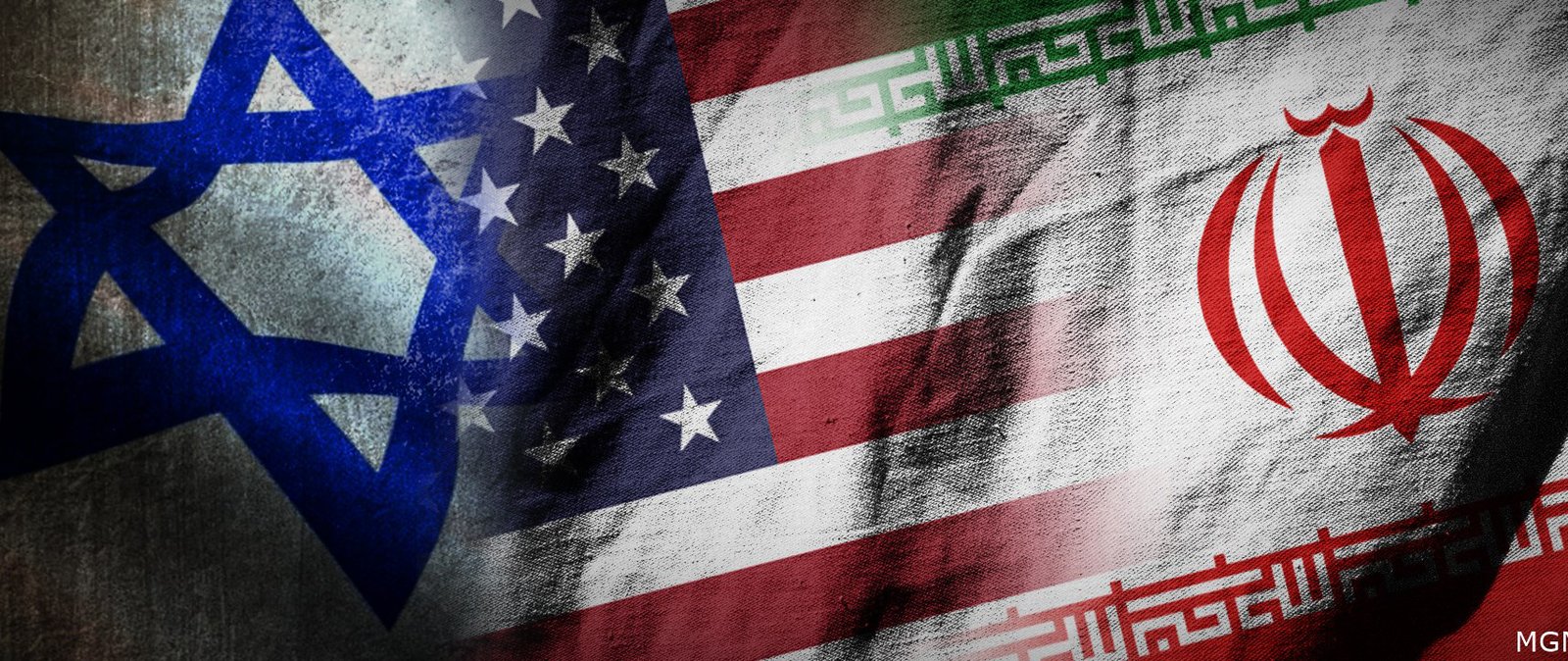
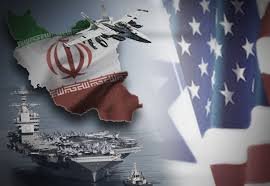
There is something deeply disturbing about a sitting president of the world’s most powerful nation threatening to erase an entire civilization in a single night. Yet that is precisely where the world finds itself today. Donald Trump, speaking from the White House and posting on social media with the recklessness of a man who believes consequence is something that happens to other people, has set a deadline for Iran: open the Strait of Hormuz or face total destruction. The clock is running. The world is watching. And the institutions built to prevent exactly this kind of catastrophe stand paralyzed, stripped of credibility and authority.
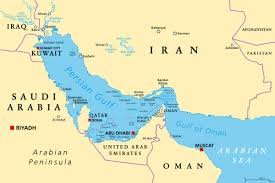
The war itself began in late February when American and Israeli forces launched what they described as a campaign to dismantle Iran’s military and nuclear capability. What it has become is something far uglier. Kharg Island, Iran’s principal oil export terminal, was struck overnight by American forces. Trump boasted that Iran’s military has been obliterated. Yet the Strait of Hormuz remains closed. Iran still controls the chokepoint through which roughly a fifth of the world’s oil flows. And far from capitulating, Tehran has shown a resilience that has embarrassed every confident prediction of a swift, decisive victory.
Trump’s Monday press conference offered little clarity. He praised his own team lavishly, spoke vaguely of a possible deal, and then returned to threats. By Tuesday morning he was writing on Truth Social that a whole civilization would die that night. His Sunday posts had already shocked even those accustomed to his style, combining profanity directed at Iranian leadership with language that many Muslims found deeply offensive toward their faith. These were not the words of a statesman navigating a dangerous moment. They were the words of someone who has confused aggression with strength and noise with strategy.
The Iranians will not be bullied into submission. This much should now be obvious to anyone paying attention. Iran has absorbed the assassination of its top commanders, the degradation of its nuclear facilities, and sustained air campaigns from two of the most formidable military forces on earth. It has not broken. JPMorgan analysts noted in a Monday client note that the Revolutionary Guard has actually grown stronger through this conflict, and that Iran’s strategy is built around outlasting its opponents rather than outgunning them. Iran is not negotiating from weakness. It is negotiating, if at all, on its own terms.
The insults have made this worse. Profanity from an American president directed at a nation, combined with what many across the Muslim world perceived as mockery of Islamic sanctities, has not softened Iranian resolve. It has hardened it. Worse still, the silence from Muslim-majority governments has been deafening. Where is the collective voice of the Islamic world when one of its largest nations faces threats of civilizational annihilation? The quiet is not neutrality. It is abdication.
Pakistan, Turkiye and Egypt have reportedly been working on a 45-day ceasefire proposal. Pakistan’s Foreign Office has confirmed the peace effort is ongoing. These are commendable efforts, and they deserve genuine support. But diplomacy requires two parties willing to engage with basic dignity. Trump has explicitly rejected the 45-day proposal, declaring that the only ceasefire will be one he personally authorizes. Iran has rejected temporary truces and is holding out for permanent guarantees against future aggression. Between these two positions, the mediators are threading a needle in a hurricane.
Iran’s demand for permanent guarantees is not unreasonable. A nation that has watched its supreme leader killed, its commanders eliminated, and its military infrastructure dismantled wants more than a temporary pause. It wants to know this will not happen again. That is not the demand of an irrational actor. It is the demand of a country that has learned, the hard way, what temporary assurances from Washington are worth. Trump must engage Iran with respect, not ultimatums. If he genuinely wants to end this war, the path runs through diplomacy, not through threats to destroy bridges and power plants serving civilian populations.
Those threats, it must be said plainly, carry serious legal weight. Targeting civilian infrastructure is not a grey area in international law. It is prohibited. The deliberate destruction of power plants and bridges serving ordinary people constitutes, under any reasonable reading of the laws of armed conflict, a war crime. That these threats are being issued openly, without consequence, reflects the extent to which the international legal order has been hollowed out by the very power that once claimed to champion it.
This is the deeper crisis behind the headlines. The United Nations stands functionally paralyzed. The Security Council, designed to prevent precisely this kind of unchecked military aggression, is hostage to the veto powers of the very nations conducting or supporting the war. International humanitarian law is invoked selectively and discarded when inconvenient. The world’s smaller and weaker states watch and draw their own conclusions: that international rules are not rules at all, but preferences, applied when useful and ignored when not.
The consequences extend far beyond the Gulf. Pakistan, already battered by fiscal pressure and energy insecurity, faces the full weight of a prolonged Hormuz closure in its import bills and inflation figures. The global economy, still fragile, cannot absorb an extended oil supply shock without serious damage to ordinary lives in every corner of the world. The victims of this war are not only in Tehran and Tel Aviv. They are in Karachi and Cairo, in Lagos and Lahore, in every country where fuel prices, food costs and economic stability are tied to the uninterrupted flow of energy through that narrow stretch of water.
The world needs peace. Not the peace of the stronger party dictating terms to the weaker one at gunpoint, but genuine peace grounded in a just international order. An order where every nation, large or small, powerful or weak, is entitled to sovereignty, dignity and security. An order where disputes are resolved through law and negotiation, not through threats of civilizational annihilation delivered on social media. An order where the institutions designed to protect humanity actually function, rather than serving as decorative backdrops for the powerful to ignore.
That order does not yet exist in the form it must. But its absence is not an argument for accepting the chaos we are witnessing. It is the most urgent argument for building it, defending it, and demanding it. The alternative is a world where any leader with enough firepower can wake up one morning and threaten to wipe a civilization off the map before dinner. We are living in that world today. The question is whether we will tolerate it.