
Tahir Maqsood Chheena
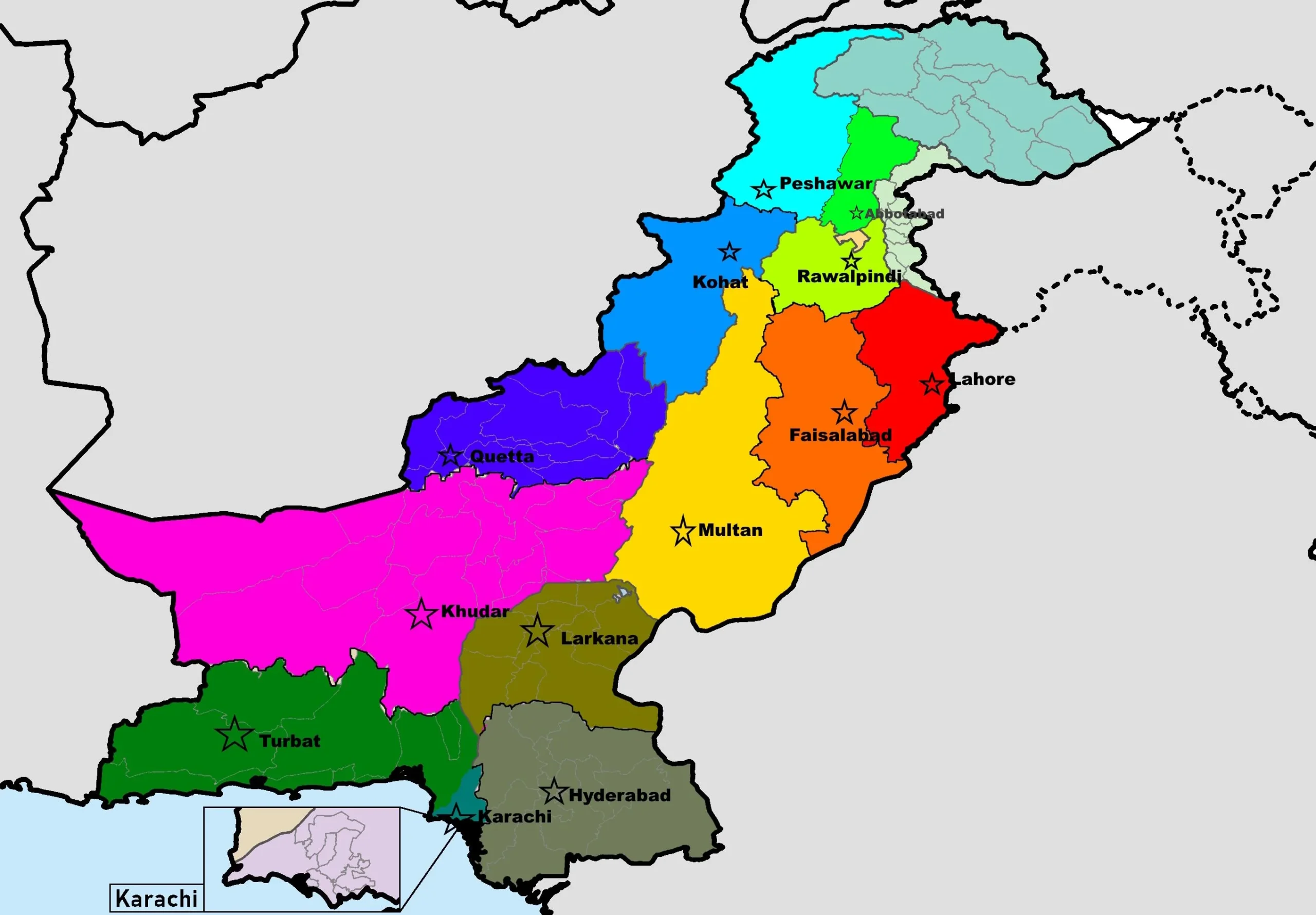
PPP Chairman Bilawal Bhutto-Zardari’s recent call to prioritise the creation of new provinces where consensus already exists appears to be a measured response to circulating speculation about dividing existing provinces into multiple administrative units. These discussions have intensified following statements by MQM-P leaders suggesting that the PML-N may be preparing another constitutional amendment to further empower local governments. Such proposals have fueled public debate and political anxieties over the potential establishment of smaller provinces across Pakistan, with a Karachi province emerging as a key focal point.
<a href=”http://republicpolicy.com”>Follow Republic Policy</a>
Addressing the media, Mr Bhutto-Zardari cited the Punjab Assembly’s resolution calling for a South Punjab province and highlighted cross-party agreement in the National Assembly on certain aspects of the matter. He urged policymakers to first concentrate on implementing the consensus achieved for South Punjab before entertaining discussions on the creation of 20 new provinces. “Before talking about 20 new provinces, let’s start where everyone already agrees,” he remarked, while also indicating that immediate action on this front may not be forthcoming.
<a href=”https://www.youtube.com/watch?v=uL3-dG9koD4&t=229s&ab_channel=RepublicPolicy”>Follow Republic Policy</a>
The demand for multiple smaller provinces is not new. It largely stems from public frustration over the inability of existing provincial governments to establish effective local government (LG) systems capable of addressing citizens’ problems. Despite constitutional mandates for the devolution of political, administrative, and financial powers to local bodies, rhetoric and practice have often diverged. There appears to be an unspoken political consensus to maintain weak and ineffective LG structures, which undermines both accountability and service delivery at the grassroots level.
<a href=”https://twitter.com/RepublicPolicy”>Follow Republic Policy</a>
Mr Bhutto-Zardari’s observation that Sindh’s LG structure is comparatively more robust than the recently passed Punjab LG law may hold validity in procedural terms. However, it does not imply that local governance in Sindh fully meets constitutional objectives or effectively serves the public. Strengthening the administrative framework alone cannot compensate for the lack of genuine empowerment and autonomy at the local level, which is essential to ensure that citizens’ concerns are adequately addressed.
<a href=”https://facebook.com/RepublicPolicy”>Follow Republic Policy</a>
It is crucial to stress that creating smaller provinces is not a panacea for Pakistan’s governance challenges. The division of historical provinces without credible, widely supported demands—aside from limited calls for South Punjab and Hazara provinces—risks exacerbating political tensions and creating new administrative complexities. Adjusting boundaries for perceived efficiency may inadvertently fragment political cohesion and invite disputes over resources, representation, and institutional authority. Real solutions to poor governance and deficient service delivery lie in reinforcing local democracy and fully devolving powers to LGs in line with constitutional provisions.
<a href=”https://tiktok.com/@republic_policy”>Follow Republic Policy</a>
Nevertheless, the debate over provincial division cannot be entirely dismissed. Any credible, popular demand emerging from citizens for new administrative units must be taken seriously. Public opinion should be carefully gauged and debated before presenting proposals to the legislature, as required by the Constitution, to ascertain the level of consensus and legitimacy. Ignoring or suppressing genuine demands risks political alienation and could exacerbate dissatisfaction with governance structures.
<a href=”https://instagram.com/republicpolicy”>Follow Republic Policy</a>
The current political focus on creating new provinces for administrative efficiency may, in fact, be misplaced. Political parties often use the discourse on provincial division to advance their own strategic interests rather than to respond to genuine administrative needs. For instance, Karachi’s potential status as a separate province is heavily debated due to its economic significance and demographic complexities, which makes consensus difficult and the political stakes high. Such initiatives must be approached cautiously, with transparency and an emphasis on inclusivity, to avoid inflaming ethnic or regional tensions.
<a href=”https://whatsapp.com/channel/0029VaYMzpX5Ui2WAdHrSg1G”>Follow Republic Policy</a>
A constructive path forward involves a twofold strategy: first, advancing areas where political consensus already exists, such as South Punjab, and second, investing in the strengthening of local governments across the country. The Constitution mandates devolution of powers to LGs to improve service delivery, ensure accountability, and bring governance closer to citizens. Strengthening these institutions would directly address the frustrations that fuel demands for provincial division, achieving administrative efficiency without creating political volatility.
<a href=”http://republicpolicy.com”>Follow Republic Policy</a>
Public participation is equally essential. Citizens should be encouraged to engage in discussions regarding potential provincial divisions, and their feedback must shape legislative action. Transparent mechanisms for gauging public opinion, including surveys, consultations, and participatory forums, can provide clarity on the legitimacy of proposed administrative changes. This ensures that any adjustments to provincial boundaries reflect the collective will rather than the ambitions of a few political actors.
<a href=”https://www.youtube.com/watch?v=uL3-dG9koD4&t=229s&ab_channel=RepublicPolicy”>Follow Republic Policy</a>
The debate over smaller provinces also underscores broader questions of federalism and governance in Pakistan. The country’s federating units have historically struggled with balancing central oversight and provincial autonomy, often leading to inefficiencies and governance gaps. The creation of new provinces, if not grounded in genuine public demand and administrative need, risks complicating intergovernmental relations, fragmenting policymaking, and straining fiscal resources.
<a href=”https://twitter.com/RepublicPolicy”>Follow Republic Policy</a>
PPP Chairman’s emphasis on starting where consensus exists is therefore a prudent approach. It acknowledges political realities while promoting a measured and sustainable method for administrative reform. By prioritizing agreed-upon initiatives, the government can demonstrate a commitment to institutional integrity and avoid exacerbating regional divides. This approach also signals respect for legislative processes, democratic norms, and the voices of citizens, which is essential for long-term stability.
<a href=”https://facebook.com/RepublicPolicy”>Follow Republic Policy</a>
Ultimately, governance reform in Pakistan requires a focus on strengthening local democracy, empowering citizens, and building institutional capacity rather than fragmenting provinces purely for political expediency. Provincial division should be considered only when there is broad public demand, political consensus, and clear evidence that it will improve administrative efficiency and service delivery. Until then, the government’s energies are better spent enhancing existing structures, improving accountability, and ensuring that the devolution of powers to local governments is meaningful and effective.
<a href=”https://tiktok.com/@republic_policy”>Follow Republic Policy</a>
In conclusion, while debates over provincial division will continue to surface, practical governance solutions lie in consolidating consensus, empowering local governments, and addressing public frustrations through constitutional mechanisms. Pakistan’s political leadership must balance aspirations for administrative efficiency with the realities of federal governance, public sentiment, and institutional capacity. Only a measured, participatory, and legally grounded approach will ensure that reforms enhance governance without destabilizing the country’s fragile political equilibrium.
<a href=”https://instagram.com/republicpolicy”>Follow Republic Policy</a>