
Editorial
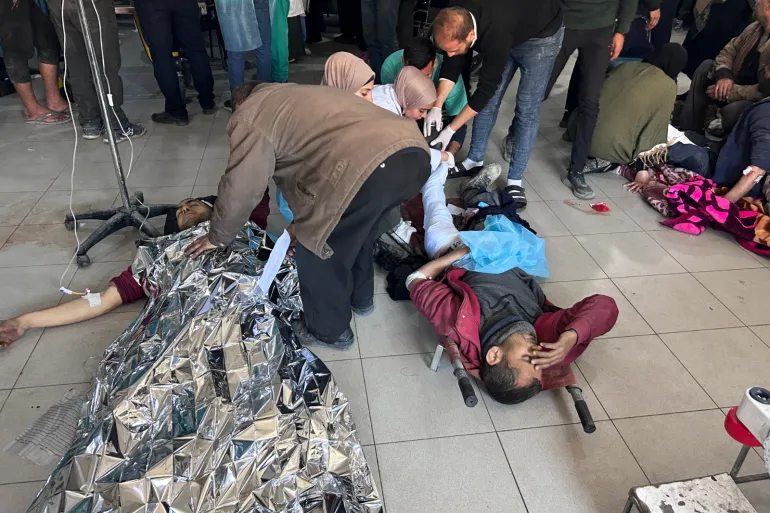
The incident at the Nabulsi roundabout in Gaza City, where Israeli soldiers opened fire on civilians gathering for food aid, has sparked international outrage and calls for accountability. This event raises crucial questions about the use of force, the protection of civilians in armed conflict, and the impartiality of international responses. The Israeli and Palestinian accounts of the event diverge significantly. While Israel claims its soldiers felt threatened by civilians storming aid trucks, witnesses allege unprovoked firing on the crowd. This lack of consensus necessitates an independent and impartial investigation to determine the sequence of events and establish the facts.
The international community’s response to the killings has been fragmented. While France, China, South Africa, and several European countries have condemned the event and called for investigations, the United States, a key ally of Israel, has taken a more cautious approach, citing the need for further information. This inconsistent response raises concerns about potential double standards in the application of international law and the protection of civilian life.
The killings at the Nabulsi roundabout highlight the dire humanitarian situation in Gaza. With over 30,000 Palestinians reportedly killed since October 2023, the UN warns of a potential famine. The incident further complicates efforts to broker a ceasefire and undermines the prospect of a two-state solution.
The international community must hold all parties accountable for violations of international humanitarian law and human rights. This includes ensuring the protection of civilians, facilitating the delivery of humanitarian aid, and conducting independent investigations into alleged war crimes. Failing to do so risks perpetuating the cycle of violence and undermining the fragile peace process.
In addition to the points above, a critical evaluation of the incident should consider the broader historical context of the Israeli-Palestinian conflict, the role of Hamas, and the potential for further escalation in the region. It should also explore the potential consequences of the incident on the global stage, including its impact on international diplomacy and public opinion.
By critically evaluating the Nabulsi roundabout incident through the lens of international law, human rights principles, and the wider context of the conflict, we can work towards a more nuanced understanding of this complex situation and advocate for a just and sustainable solution to the Israeli-Palestinian conflict. Hence, there is a dire need to implement international law upon the human rights violations by Israel.
Please, subscribe to the YouTube channel of republicpolicy.com