
Editorial
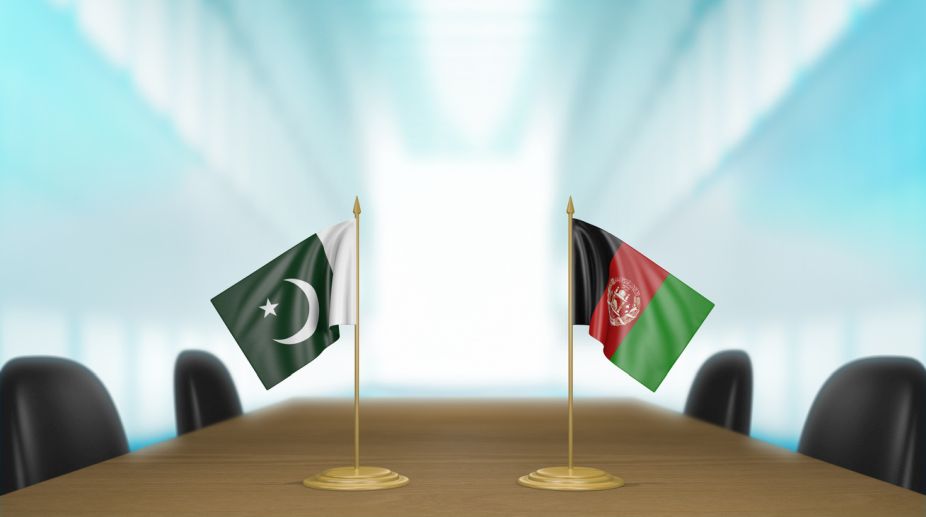
The ongoing closure of the Torkham border, which has lasted for three days, reflects the troubled relationship and economic hardship between Pakistan and Afghanistan. The closure has stopped trade and passenger movement, and the reasons and remedies for it are complicated and require a careful examination.
The most immediate impact is a severe damage to bilateral trade. Trucks carrying goods that can spoil are stuck at the border, causing huge losses for both countries’ economies. Traders on both sides are facing financial difficulties and challenges in managing their businesses. Humanitarian Concerns: The closure also affects the common people. While pedestrians may still cross the border, the normal flow of crossings is disrupted, causing problems and delays for those who need medical attention or want to visit their relatives. Political Tensions: The closure happens at a time when the two governments are at odds, with allegations of supporting militants and disputes over visa documentation adding to the fire. This political hostility makes it harder to find a solution. Underlying Causes:
The main cause of the closure seems to be Pakistan’s recent change in visa requirements for Afghan nationals, especially commercial truck drivers. This change, which is intended to prevent illegal immigration, has unintentionally disturbed the existing trade relations. Historical Tensions: The closure is also linked to the long history of tense relations between Pakistan and Afghanistan. Issues such as cross-border terrorism, refugee management, and political disagreements have created an unstable situation that leads to border conflicts. Lack of Open Communication: The lack of direct communication between the two governments at a high level worsens the situation. Miscommunication and lack of trust increase suspicion and prevent quick resolution. Possible Solutions:
The most important thing is for Pakistani and Afghan officials to engage in direct dialogue. Open communication can help understand the issues on both sides and work towards a mutually agreeable solution. Flexible Visa Policy: While concerns about illegal immigration are valid, Pakistan could consider a more flexible visa policy for commercial drivers. This would help trade without compromising security, which would benefit both economies. Address Root Causes: The long-term stability of the border depends on addressing the underlying issues of cross-border terrorism and political mistrust. Joint efforts to fight terrorism and promote regional cooperation can create a more favorable environment for open borders and trade.
The Torkham border closure is a sign of a deeper problem in Pakistan-Afghanistan relations. The economic losses are obvious and immediate, but the political issues are more challenging and long-lasting. To move forward, both governments must prioritize open communication, address the root causes of tension, and work towards establishing a more stable and predictable border relationship. Only then can the threat of closure hanging over the Torkham crossing be removed, paving the way for smoother trade, greater cooperation, and a more prosperous future for both countries.
Please, subscribe to the YouTube channel of republicpolicy.com