
Abdul Manan
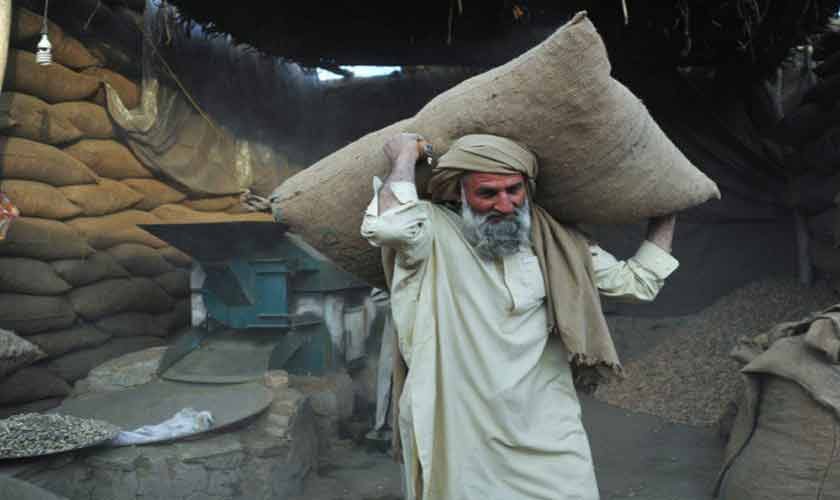
Numerous attempts have been made in the past to test the waters and gauge public sentiment regarding potential ties between Pakistan and Israel. From the infamous handshake between the late military ruler Pervez Musharraf and Israeli leader Ariel Sharon at the UN in 2005 to more recent visits by foreign NGO-led delegations that included Pakistanis, the issue has been a subject of curiosity. However, a new twist has emerged with the arrest of five individuals from Sindh’s Mirpurkhas town who were found to be working ‘illegally’ in the Jewish state, despite the absence of diplomatic relations between the two countries. The authorities became aware of their activities after detecting wire transfers originating from Israel and destined for Mirpurkhas. Reports indicate that these individuals held menial jobs in Israel, while some suggest that they had family members already residing in the Jewish state. As a result, the men are now facing legal action for their travel and ‘illegal immigration’ to a country that Pakistan does not officially recognize.
This incident raises several questions and highlights the complexities surrounding the issue of Pakistan-Israel relations. The fact that individuals were able to travel to Israel and find employment there underscores the existence of underground channels and clandestine networks facilitating such activities. It also raises concerns about the potential security risks and the involvement of human trafficking networks. The arrest of these individuals serves as a reminder that the issue of Pakistan-Israel relations cannot be swept under the rug or disregarded as a mere matter of personal choice.
The absence of diplomatic relations between Pakistan and Israel has long been a contentious issue, deeply rooted in historical, geopolitical, and ideological factors. The Palestinian cause and the Muslim world’s solidarity with it have shaped Pakistan’s stance on the matter. However, as the world evolves and new regional dynamics emerge, it is essential to reassess and re-evaluate our diplomatic approach.
Engaging in dialogue and exploring possibilities for diplomatic engagement does not necessarily mean compromising on principles or abandoning support for the Palestinian cause. It is about pragmatism, open-mindedness, and the pursuit of national interests. Many nations, even those with historical animosity, have managed to find common ground and establish diplomatic ties based on mutual benefits and shared objectives.
Pakistan must weigh the potential advantages of engaging with Israel, such as trade opportunities, technological advancements, and collaboration in various fields, against the potential backlash from certain quarters. It is crucial to conduct a thorough analysis of the costs and benefits, keeping in mind the sentiments of the people and the broader geopolitical context. A well-thought-out and carefully executed approach can ensure that Pakistan’s national interests are safeguarded while also contributing to regional stability and progress.
The arrest of the individuals from Mirpurkhas should serve as a catalyst for a comprehensive debate on Pakistan’s stance towards Israel. It is an opportunity to initiate a nuanced conversation that takes into account the evolving regional dynamics, the changing global landscape, and the potential benefits that can be derived from a constructive engagement. Pakistan must shed the shackles of outdated dogmas and be open to exploring new avenues for engagement and dialogue.
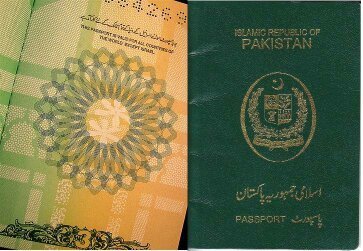
The Pakistani passport proudly proclaims its validity for all nations around the globe, with the notable exception of Israel. Any attempt to travel to this forbidden territory is a direct violation of the Passport Act of 1974, a serious offense that cannot be taken lightly. However, in the case at hand, further investigation is required to ascertain whether the individuals in question actually had their Pakistani passports stamped by Israeli authorities or if they resorted to alternative means of entry. The ongoing debate on the recognition of Israel should persist, especially within the chambers of parliament, to ensure that decisions are made in the best interest of the nation. At present, the Foreign Office maintains that Pakistan’s policy towards Israel remains unchanged, emphasizing its unwavering support for the Palestinian people’s right to self-determination. This moral stance is undeniably commendable, as it aligns with the sentiments of our fellow Muslim nations. While some may have chosen to embrace Tel Aviv, it is crucial for Pakistan to only consider establishing relations with Israel once a negotiated settlement is reached to address the long-standing question of Palestine.
The issue of Pakistan’s policy towards Israel is a complex matter that requires careful consideration and deliberation. The Pakistani people, as well as the international community, look to their leaders for guidance and clarity on this matter. The passport restriction itself is a symbolic gesture that reflects the longstanding support for the Palestinian cause and solidarity with the Muslim world. However, as the world evolves and new regional dynamics emerge, it is essential to reassess and reevaluate our position.
Pakistan must strike a delicate balance between its moral obligations and its national interests. While maintaining steadfast support for the Palestinian cause, there is room for pragmatic engagement with Israel that could bring about mutual benefits and contribute to regional stability. This does not mean compromising on principles or abandoning the pursuit of a just and lasting solution for Palestine. It is about finding avenues for constructive dialogue, exploring opportunities for cooperation, and leveraging potential economic, technological, and diplomatic advantages.
The decision to establish relations with Israel should not be taken lightly or hastily. It requires a comprehensive and well-informed approach, taking into account the sentiments of the people, regional dynamics, and the changing global landscape. Parliamentary discussions and public debates are crucial in shaping the nation’s stance and ensuring that decisions are made in a transparent and inclusive manner. Pakistan must remain true to its principles while also keeping an open mind and considering the potential benefits that diplomatic engagement with Israel could bring.
It is important to recognize that the world is not static, and geopolitical dynamics are constantly evolving. Many nations, even those with historical conflicts, have managed to find common ground and establish diplomatic ties based on mutual respect and shared interests. Pakistan should not close itself off from potential opportunities for dialogue and cooperation. Instead, it should maintain a principled stance while remaining open to exploring new possibilities.
In conclusion, the issue of Pakistan’s policy towards Israel is multifaceted and requires a nuanced approach. The current stance reflects Pakistan’s unwavering support for the Palestinian cause, which is a commendable moral position. However, as the world changes, it is essential to reassess and reevaluate this policy, considering the evolving regional dynamics and potential benefits of diplomatic engagement. Pakistan must find the right balance between its moral obligations and national interests, taking into account the sentiments of its people, parliamentary discussions, and global realities. A comprehensive and well-informed approach can ensure that Pakistan’s stance on Israel is grounded in principles while remaining open to possibilities for dialogue and cooperation.
Subscribe our website for latest updates:
https://republicpolicy.com/shop/
Read More