
Editorial
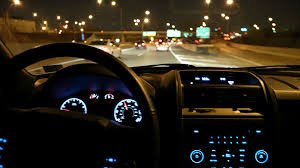
The streets of Pakistan are increasingly dominated by young drivers, many of whom lack the maturity and judgment required to navigate traffic safely. While laws and traffic rules exist on paper, their enforcement often falls short, and societal attitudes toward road safety remain weak. It is not merely the responsibility of the state; parents and guardians play a crucial role in shaping how the next generation approaches driving.
A significant concern is the prevalence of intoxicated driving. Young drivers, often experimenting with alcohol or other substances, take to the roads without understanding the grave risks they pose to themselves and others. These behaviors reflect deeper societal issues—a lack of awareness, weak accountability, and a culture that does not prioritize safe driving as a civic duty.
Driving in Pakistan requires more than technical skill; it demands discipline, respect for the law, and a strong ethical mindset. The law alone cannot ensure safety. Communities must cultivate a culture where responsible driving is expected, rewarded, and reinforced. Parents must actively guide their children, instilling the understanding that a vehicle is not a toy but a serious responsibility.
Government intervention is also essential. Stricter enforcement of traffic laws, awareness campaigns targeting young drivers, and penalties for violations can create an environment where the risks of reckless driving are clearly understood. Only through a combination of law, societal pressure, and family responsibility can Pakistan reduce accidents, save lives, and elevate the standard of road safety.
Driving responsibly is not just a legal obligation—it is a moral one. Until society collectively acknowledges this, the roads will remain perilous, and countless lives will continue to be lost to preventable accidents.