Zafar Iqbal
The approval of a combined 940 million dollar financing package by the Asian Development Bank and the World Bank represents a significant moment for Pakistan’s reform and development trajectory. The funding is aimed at strengthening state owned enterprise reform, enhancing disaster resilience, and expanding water and sanitation infrastructure across Sindh and Punjab, while also supporting the National Highway Authority, one of the country’s largest and most financially stressed SOEs. At a time when Pakistan is struggling with fiscal pressures, climate vulnerability, and weak service delivery, this package provides both immediate economic relief and a longer term opportunity to address structural weaknesses that have persisted for decades.
<a href=”http://republicpolicy.com” target=”_blank”>Follow republicpolicy.com</a>
A substantial portion of this financing is directed toward institutional and financial restructuring of the National Highway Authority, which alone accounts for more than 42 percent of the total package. The NHA’s persistent reliance on government guarantees, rising debt, and inefficient revenue mechanisms have long weighed on public finances. Strengthening its institutional capacity and financial sustainability is therefore not just an administrative exercise but a macroeconomic necessity. Effective reform of such a major SOE could reduce fiscal leakages, improve infrastructure maintenance, and set a precedent for reforming other loss making public entities that collectively drain scarce state resources.
<a href=”https://www.youtube.com/@TheRepublicPolicy” target=”_blank”>Follow Republic Policy on YouTube</a>
Another major component of the package focuses on Punjab’s water and sanitation sector through the World Bank financed Inclusive Cities Programme. This initiative aims to provide improved water, sanitation, hygiene, drainage, and solid waste management services to millions of urban residents. Around 4.5 million people are expected to benefit from better water and sanitation services, while an additional 2 million will see improvements in solid waste management. These investments are not merely about infrastructure. They directly affect public health outcomes by reducing waterborne diseases, lowering child stunting rates, and easing pressure on the healthcare system. Equally important is the programme’s emphasis on strengthening the capacity of urban local governments, a chronic weakness in Pakistan’s governance framework.
<a href=”https://x.com/republicpolicy” target=”_blank”>Follow Republic Policy on X</a>
In Sindh, the Coastal Resilience Sector Project targets communities that are among the most vulnerable to climate change and environmental degradation. The project is expected to improve the lives of nearly half a million people in districts such as Badin, Sujawal, and Thatta, which face recurring threats from flooding, saltwater intrusion, and water scarcity. By protecting livelihoods, agricultural land, and forest ecosystems spread over thousands of acres, the initiative acknowledges that climate resilience is not a peripheral concern but a central development challenge. Pakistan’s recent history of devastating floods underscores the urgency of shifting from reactive disaster response to proactive resilience building.
<a href=”https://facebook.com/republicpolicy” target=”_blank”>Follow Republic Policy on Facebook</a>
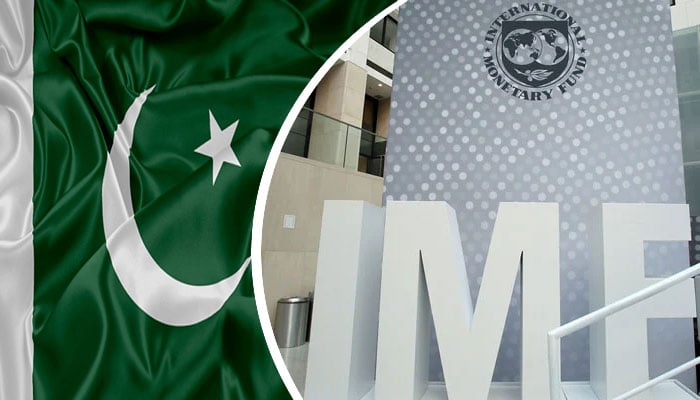
Beyond sectoral impacts, this financing package also plays a stabilising role in Pakistan’s fragile macroeconomic environment. The inflows are expected to bolster foreign exchange reserves and provide some fiscal breathing space at a time when external financing needs remain high. In this sense, the support from ADB and the World Bank complements Pakistan’s ongoing engagement with the International Monetary Fund and reinforces short term economic stabilisation. However, such external assistance should not be mistaken for a substitute for domestic reform. Without parallel progress on revenue mobilisation, expenditure rationalisation, and governance reform, development financing risks becoming another temporary prop rather than a catalyst for sustainable growth.
<a href=”https://tiktok.com/@republic_policy” target=”_blank”>Follow Republic Policy on TikTok</a>
The long term benefits of this assistance will depend heavily on transparency, timely implementation, and institutional ownership of reforms. Delays, cost overruns, and weak coordination between federal, provincial, and local authorities have historically undermined donor funded projects in Pakistan. Maintaining the confidence of international lenders requires demonstrable progress, clear accountability mechanisms, and credible monitoring of outcomes. Moreover, reforms in SOEs and local service delivery inevitably face resistance from entrenched bureaucratic and political interests that benefit from the status quo.
<a href=”https://instagram.com/republicpolicy” target=”_blank”>Follow Republic Policy on Instagram</a>
Recent assessments, including IMF staff reports under the 7 billion dollar extended fund facility, highlight these challenges clearly. Bureaucratic resistance to reform remains strong, while political will is often diluted by instability and short term calculations. As long as these constraints persist, Pakistan risks becoming increasingly dependent on external financing simply to manage crises rather than to transform its economy. The ADB and World Bank package offers a valuable opportunity, but it also serves as a reminder that without credible and sustained reform, Pakistan will continue to limp from one bailout to the next instead of moving toward resilient and inclusive growth.
<a href=”https://whatsapp.com/channel/0029VaYMzpX5Ui2WAdHrSg1G” target=”_blank”>Follow Republic Policy on WhatsApp Channel</a>