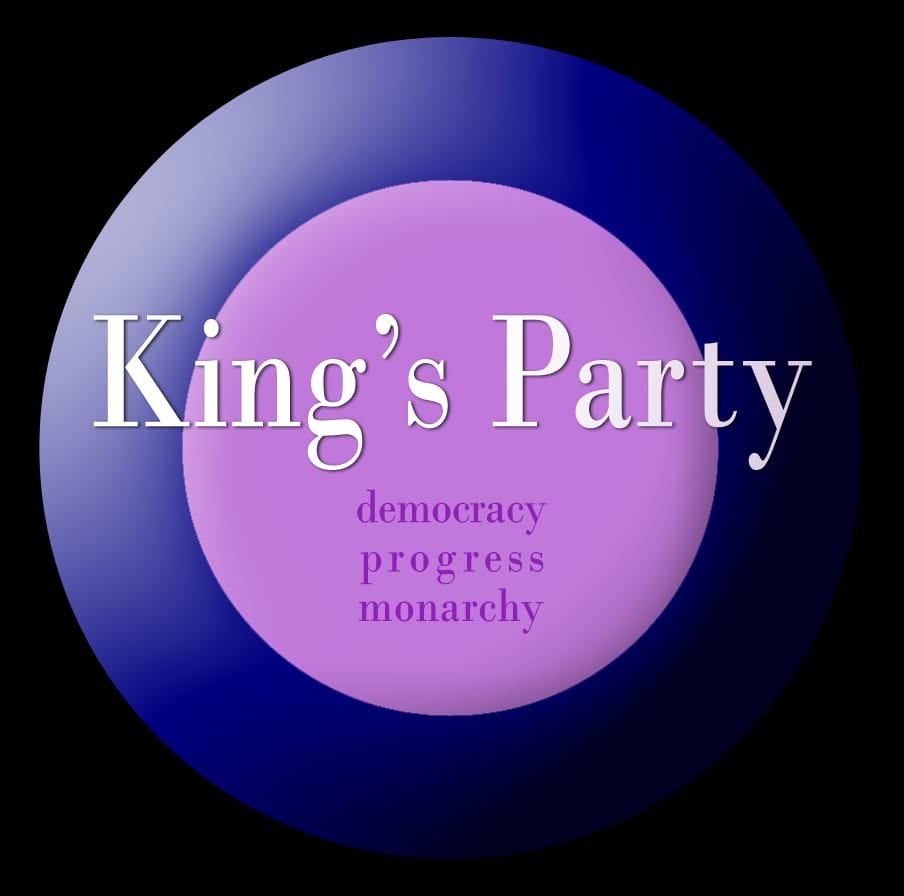

A king’s party, also known as a royalist party or monarchist party or dictatorial party, is a political party that advocates for the preservation or restoration of a monarchy , authority in a democratic country. The aim of such a party is to protect the interests of the ruling dynastic families, high nobility , autocracy and traditionalist groups. The core of the king’s party support often comes from the wealthier sections of society who have vested interests in maintaining the status quo. However, in the democracies like Pakistan, it often comes from the most powerful.
There are different forms of king’s parties such as absolutist monarchism, constitutional monarchism, authoritarianism and symbolic monarchism. Absolutist monarchism believes in the complete dominance of the king over the affairs of state and government. Constitutional monarchism, on the other hand, advocates for a sharing of power between the monarch and parliament, with the monarch’s powers being largely ceremonial. Symbolic monarchism seeks to preserve the monarch as a cultural symbol or figurehead, with few or no political powers. Authoritarianism stands for modern military power.
In Pakistan, the king’s parties have emerged throughout its history, as the country is no stranger to autocratic rule. The two major king’s parties in Pakistan are the Pakistan Muslim League during Zia era, Pakistan Muslim League-Q and the Conventional Muslim League. Historically, these parties have benefited from their strong family connections to the military and bureaucracy, and have been beset by allegations of corruption & nepotism. However, they had played a cover-up role for autocracy in Pakistan.
The objectives of king’s parties in Pakistan can vary, but they often focus on ensuring their own political survival and maintaining power. They may also resist any movements towards democratisation which they perceive as a threat to their hold on the country. They are cover ups of the powerful centers.
Democracies and people can counter king’s parties by promoting stronger democratic institutions, advocating for transparency and accountability in government, ensuring a free and fair media and promoting public awareness campaigns on the dangers of the king’s party. A strong civil society can also pressure the king’s party to comply with democratic norms and standards.
In struggling democracies like Pakistan, the rise of a king’s party can pose a serious threat to the future of democracy. However, if the people remain committed to democratic values and institutions, and take collective action against any attempts to undermine them, then democracy can survive and even flourish. It is important for civil society to remain vigilant and ensure that the king’s party does not monopolize power or undermine the democratic process.