The European Union has indefinitely frozen 210 billion euros of Russian assets in Europe to support Ukraine in its defense against Moscow. The freeze removes the need for six-monthly votes and prevents Hungary or Slovakia from blocking extensions that could return funds to Russia. EU Council President Antonio Costa said leaders are committed to keeping the assets frozen until Russia ends its aggression and compensates Ukraine.
<a href=”https://www.republicpolicy.com”>Website</a>
The EU plans to use part of the frozen assets to provide Ukraine with a 165 billion euro loan for military and civilian needs in 2026 and 2027. Most of the funds are held at Belgium’s Euroclear financial clearing house, and EU leaders will offer guarantees to Belgium against potential legal claims from Moscow. Hungarian Prime Minister Viktor Orban condemned the freeze, calling it illegal and a violation of European law. Russia’s Central Bank also filed lawsuits claiming the asset seizure violates international law and sovereign immunity.
<a href=”https://www.youtube.com/@TheRepublicPolicy”>YouTube</a>
Diplomatic efforts continue as the US pushes for a ceasefire framework between Kyiv and Moscow. Ukraine revised a US-drafted plan previously seen as favoring Russia. Security guarantees for Ukraine are being discussed, including potential NATO-style protection. Ukrainian leaders are also negotiating reconstruction plans with international partners.
<a href=”https://x.com/republicpolicy”>X/Twitter</a>
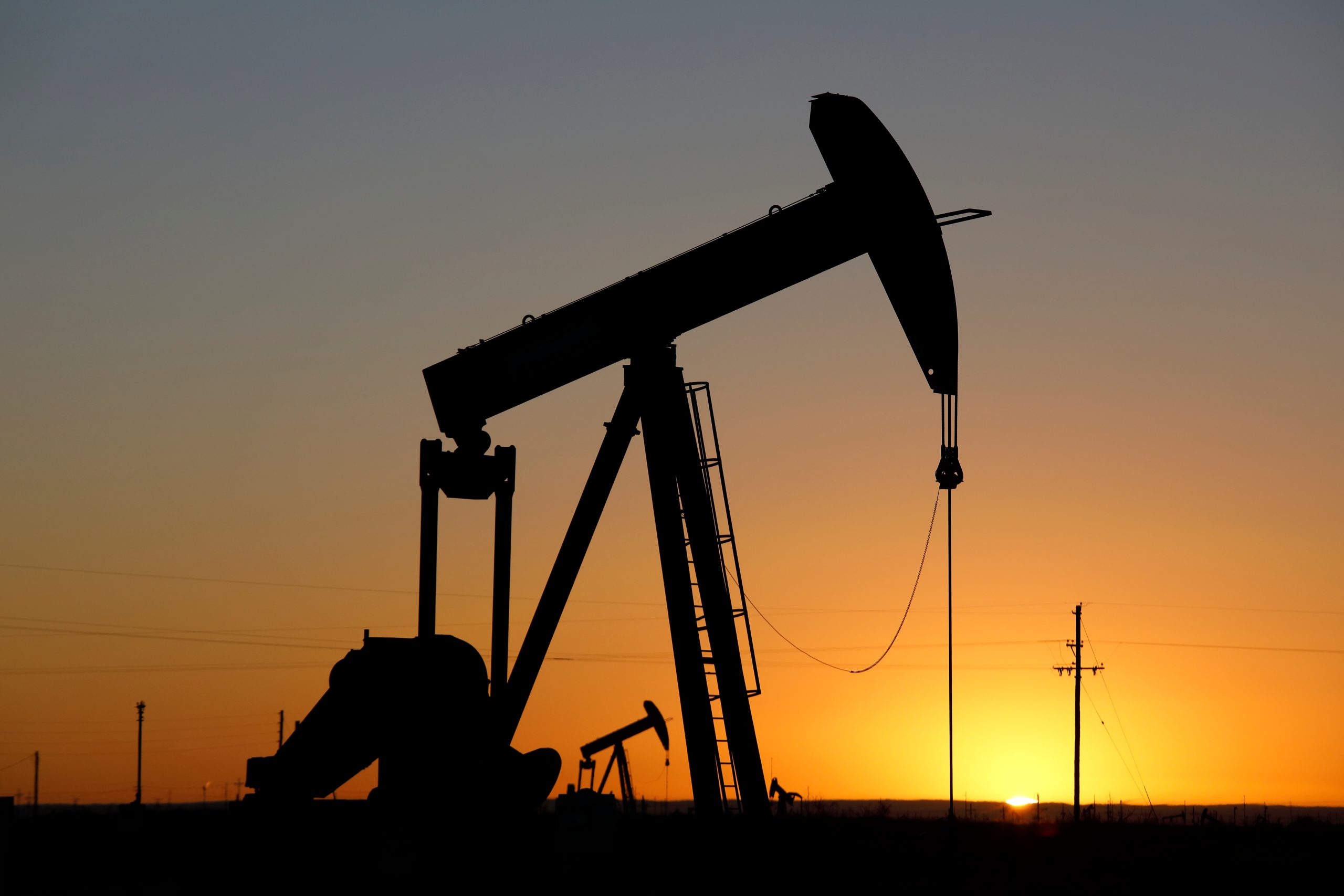
Fighting on the battlefield remains intense. Ukrainian forces retook parts of Kupiansk and surrounding towns in Kharkiv, encircling Russian troops. Ukraine claimed strikes on Russian ships in the Caspian Sea transporting weapons, coordinated with local resistance movements. Ukrainian drones reportedly hit a Russian oil rig for the first time, showing continued military pressure on Moscow.
<a href=”https://facebook.com/republicpolicy”>Facebook</a>