
Editorial
While frustration with Iran’s recent airstrikes is understandable, a critical evaluation requires going beyond simply labelling it as “absolute idiocy” or attributing it solely to a “do-something syndrome.” Here’s a nuanced look at the situation: The bombing of a religious site in Iran claimed lives and understandably incited a desire for retaliation. However, we must acknowledge the complexities of the incident, including ongoing disputes within Iran and the possibility of internal actors using the attack for their own agendas.
However, targeting Syria, Iraq, and Pakistan raises questions about whether these strikes were truly effective in addressing the Kerman attackers or if they had a broader geopolitical agenda.
While the recent airstrikes by Iran have undoubtedly caused significant tension and concern, framing the situation solely as “absolute idiocy” or attributing it to a “do-something syndrome” risks overlooking the complex dynamics at play. Instead, let’s dissect deeper into the context and potential consequences of these actions, aiming for a more nuanced understanding.
It’s crucial to acknowledge the gravity of the Kerman attack in Iran, which tragically claimed lives and ignited a desire for a response. However, attributing blame and taking retaliatory action against countries with potentially tenuous connections to the incident raises questions about the effectiveness of such measures. Targeting locations in Syria, Iraq, and Pakistan without clear evidence linking them to the attackers raises concerns about collateral damage and further escalation.
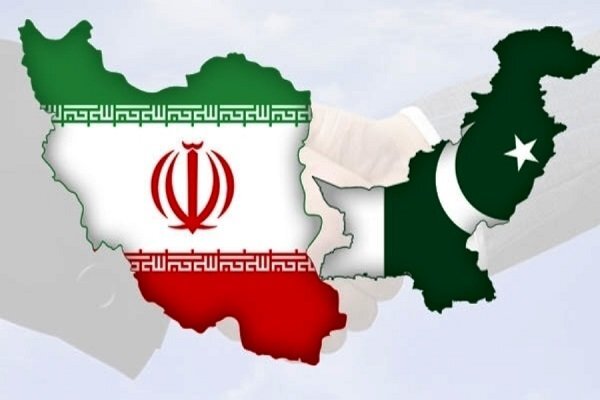
Both Iran and Pakistan face internal challenges and intricate geopolitical situations. Understanding the domestic pressures and power struggles within each country is crucial for a comprehensive analysis of their actions. The absence of clear evidence linking the targeted locations to the Kerman attack raises concerns about accountability and the potential for miscalculations. Transparency and due process should guide any response to avoid exacerbating tensions and harming innocent civilians.
Pakistan’s status as a nuclear power adds a layer of immense gravity to the situation. Prioritizing diplomacy and de-escalation efforts becomes paramount to prevent a potentially catastrophic conflict.
While the frustration and anger following the Kerman attack are understandable, it’s important to remember that hasty responses often lead to unintended consequences. Instead of focusing solely on retaliation, exploring avenues for diplomacy is critical. Despite the current tensions, open communication and diplomatic efforts remain essential to prevent further escalation and find a peaceful resolution.
Focusing solely on immediate grievances risks repeating the cycle of violence. Long-term stability requires addressing the underlying causes of regional tensions, such as sectarian divisions and geopolitical rivalries.
Fostering international cooperation and engaging in fact-based investigations can help ensure a measured and responsible response that avoids further bloodshed and instability.
Hence, the recent airstrikes and subsequent retaliation mark a worrying escalation of tensions in the region. Moving forward, prioritizing diplomacy, seeking evidence-based solutions, and addressing the root causes of regional conflict are crucial steps towards de-escalation and ensuring a more stable future for all.
Please, subscribe to the YouTube channel of republicpolicy.com