
Pakistan’s finance minister recently unveiled the country’s comprehensive plans to address its external financing needs. This significant step forward comes as Pakistan prepares to implement a new $7 billion agreement with the International Monetary Fund (IMF), a move that holds the promise of stabilizing the country’s economy and attracting international investors.
While the agreement with the IMF has been reached, concerns have been raised about the tough measures the government might implement, such as increasing taxes on agricultural incomes and raising electricity prices. Such measures could potentially strain the already burdened poor and middle-class citizens, exacerbating rising inflation and the possibility of higher taxes.
For years, Pakistan has heavily relied on IMF programs, often walking the thin line of potential sovereign default. In past instances, the country has had to seek financial assistance from allies like the United Arab Emirates and Saudi Arabia to meet the external financing targets set by the IMF.
The finance minister, in a forward-thinking move, emphasized the importance of securing external financing. He highlighted the government’s intention to shift focus towards more sustainable forms of financing, such as direct investment and climate financing. This strategic shift aims to reduce Pakistan’s dependence on loan rollovers and pave the way for a more stable economic future.
Pl subscribe to the YouTube channel of republicpolicy.com
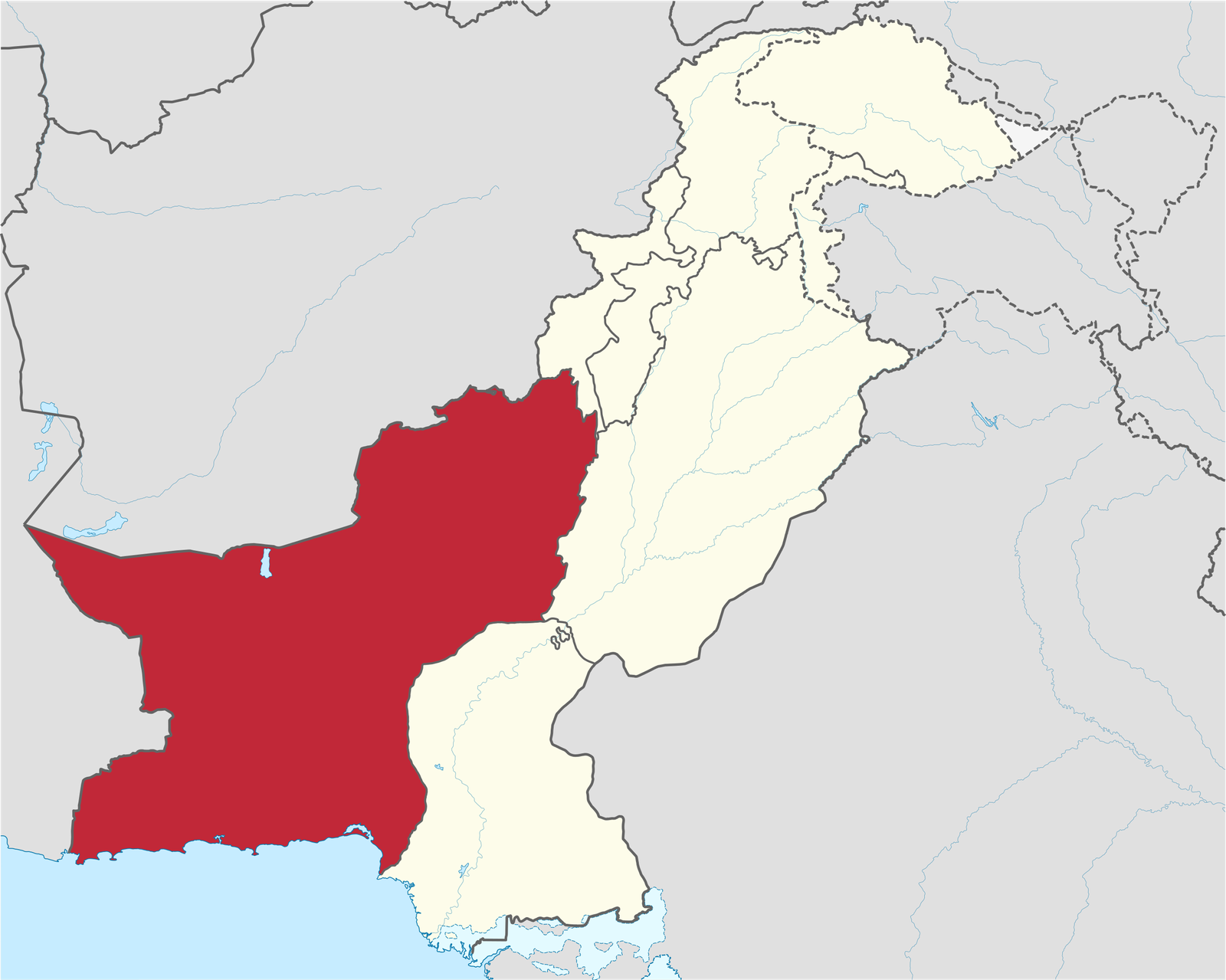
Pakistan plans to extend its strategy by emphasizing foreign direct investment, including inviting investment in significant projects like the Reko Diq mine in southern Pakistan. The government also aims to identify viable projects for potential investment from countries such as Saudi Arabia and the United Arab Emirates.
The finance minister, in a show of unwavering commitment, expressed confidence in effectively managing the external financing gap. He acknowledged the need to diversify sources of investment and financing, particularly emphasizing the significance of the Reko Diq project and its potential interest from the International Finance Corporation (IFC).
During an upcoming trip to China, discussions are set to take place about power sector structural reforms recommended by the IMF. Notably, China has pledged over $20 billion for planned energy projects in Pakistan.
In addition, Pakistan has agreed to initiate talks with the IMF regarding financing under the fund’s Resilience and Sustainability Trust (RST) to support projects related to climate change. Given Pakistan’s vulnerability to climate change, securing such financing would be critical in addressing the country’s climate-related challenges.
Despite political pressures and inflation concerns stemming from IMF-suggested reforms, the finance minister is committed to ensuring the successful completion of the current IMF program. Furthermore, the government aims to pursue the privatization of loss-making enterprises, including national carrier Pakistan International Airlines (PIA), to improve economic sustainability.