
Zafar Iqbal
Federal development spending is once again being treated as a shock absorber for the government’s persistent fiscal stress, a problem rooted in its continued failure to broaden the tax net and collect adequate targeted revenue. Despite assurances of economic stability, the first five months of the current fiscal year show a troubling pattern. By November, only 9.2 percent of the federal development allocation of Rs1 trillion had been utilised. This starkly low level of spending reveals that the state’s commitment to development is being deferred under the guise of fiscal discipline. Not only is the spending modest in absolute terms, but it is also significantly lower than the same period last year, highlighting the enduring pressures on the budget even as official statements emphasize fiscal and economic stability.
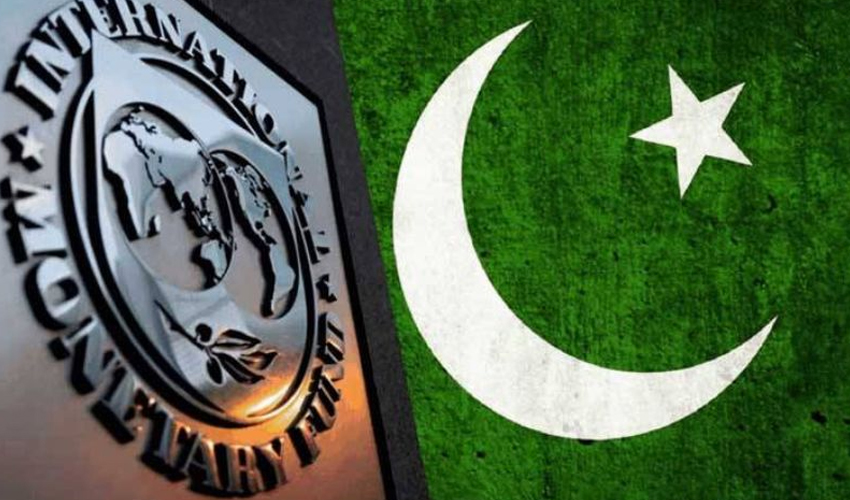
The government’s attempt to attribute low utilisation to reduced spending by the provinces, special areas, and the railways is misleading. The reality is that the federal centre itself is throttling its own uplift spending while also holding back provincial programmes. This occurs alongside a reported shortfall in tax collection of Rs430 billion and ongoing mismanagement of current expenditure. The primary objective appears to be achieving an IMF-mandated primary surplus, which stood at 1.6 percent of GDP at the end of the first quarter of the fiscal year. Even with the slowdown in development spending, the government could not have met the surplus target without relying heavily on State Bank profits and a substantial increase in the petroleum development levy.
More concerning is the commitment made to the IMF that development expenditure will be deferred to the last quarter of FY26 if revenues continue to lag. This policy effectively transforms development into a residual expenditure, subordinate to debt servicing and current spending obligations. It is an approach that prioritises fiscal optics over tangible economic outcomes. The government has also agreed to implement additional measures in the second half of the fiscal year to meet tax targets, further constraining resources available for critical development projects.
The implications of postponing development expenditure are severe. Citizens are deprived of essential public services, economic infrastructure projects are delayed, and opportunities for growth and job creation are pushed further into the future. Regional disparities are likely to widen, and poverty alleviation efforts are weakened. Development delays not only compromise long-term growth but also threaten social cohesion, as communities dependent on government projects are left waiting for promised interventions.
Fiscal stress need not translate into a development dilemma. The government retains substantial scope to cut wasteful current expenditure, which continues to consume a significant portion of the budget. There is ample room for rationalisation of non-development spending without compromising essential public services. Yet, such measures require political will and a coherent long-term growth policy, neither of which have been convincingly demonstrated by the current administration. Like their predecessors, the incumbent rulers have done little to assure the public that they can deliver economic stability while maintaining budget integrity and advancing development objectives.
The recurrent pattern of low federal development spending points to a structural problem in governance and fiscal management. By allowing development budgets to be subordinated to short-term fiscal targets, the government risks entrenching inequalities and slowing economic recovery. The deferral of projects undermines investor confidence, discourages private sector engagement in growth-oriented initiatives, and weakens the capacity of regional governments to implement locally significant development programmes.
A broader perspective suggests that the focus on producing a primary surplus for IMF compliance has distorted fiscal priorities. While achieving fiscal discipline is necessary, it should not come at the expense of development, which forms the backbone of economic expansion and social progress. A balanced approach, combining effective revenue mobilisation with disciplined current spending and timely development outlays, is essential. Failure to act decisively in this regard risks perpetuating a cycle in which economic growth and public welfare remain secondary to fiscal optics.
It is critical to recognise that development expenditure is not a discretionary luxury; it is an investment in the country’s future. Schools, hospitals, roads, and energy projects are fundamental to both human capital formation and private sector growth. Delaying these investments in order to meet short-term fiscal targets compromises the government’s ability to stimulate the economy, generate employment, and reduce poverty. Moreover, the cumulative effect of repeated postponements undermines public trust in government promises, weakening institutional credibility.
The government’s current strategy reflects a narrow interpretation of fiscal responsibility, one that focuses on numerical targets rather than strategic outcomes. Such an approach risks long-term economic stagnation, as development projects deferred today result in compounded costs in the future. Infrastructure gaps widen, social services remain inadequate, and regional imbalances intensify. In effect, short-term fiscal prudence is being prioritised at the expense of sustained economic growth and national development.
A pragmatic path forward requires both fiscal discipline and proactive development management. Stronger tax enforcement, elimination of leakages, and targeted reductions in non-essential current expenditure can free resources for critical development projects. The government must develop a credible roadmap that ensures timely utilisation of development budgets, supports job creation, and addresses regional inequalities. Only through a combination of revenue mobilisation, expenditure rationalisation, and strategic investment can fiscal sustainability be achieved without undermining growth.
Ultimately, the challenge is not merely financial; it is political and strategic. Delivering on development promises requires leadership committed to long-term growth, clear prioritisation of spending, and the courage to make difficult fiscal choices. Without these, the cycle of deferred development and constrained economic opportunity is likely to continue, leaving the nation’s growth prospects and social welfare in jeopardy.
Federal development spending should not be treated as a buffer to absorb fiscal pressures. It must be recognised as the engine of economic growth and social stability. Achieving IMF-mandated fiscal targets should complement, not compromise, the government’s responsibility to invest in infrastructure, human capital, and regional development. Failure to address this balance will prolong economic stagnation, deepen inequality, and weaken public confidence in governance.
In conclusion, Pakistan’s fiscal management requires a holistic approach that safeguards development expenditure while achieving fiscal discipline. The current pattern of postponing development projects to meet short-term targets reflects a deeper governance failure. With strategic planning, political commitment, and efficient allocation of resources, the government can maintain fiscal stability without sacrificing the nation’s growth trajectory. Development expenditure is not a secondary concern; it is essential for the country’s prosperity, regional equity, and long-term social and economic resilience.