
Muhammd Amir
COP28 witnessed a paradigm shift in the spotlight on nourishment networks as a crucial sector for climate action, but the allocation of resources and policies still lag behind considerably. As the anticipation built for COP28, the discussions held in Bonn during June made substantial headway in the initial week, only to encounter a stumbling block when it came to establishing a collaborative coordination group for agricultural and food security endeavors. The negotiations reached a conclusion with a procedural outcome, anticipated to be followed by a draft text in Dubai that charts the course for a transformative revolution in food systems, ensuring sustainable food security.
The most recent report from the Intergovernmental Panel on Climate Change (IPCC) accentuates the monumental impact of climate change on food systems and warns that without prompt action, millions more individuals will face the peril of hunger. Simultaneously, industrialized food production systems and highly processed foods are exacerbating an obesity epidemic. Food systems, spanning the entire food supply chain, bear responsibility for 34 percent of global greenhouse gas (GHG) emissions, with food energy systems being intricately interwoven. Reforming food systems presents an array of challenges, including climate change-induced limitations on pollinators, soil quality, water availability, and the viability of crop diversity. However, the threats posed by unsustainable agriculture, which stands as the principal catalyst for biodiversity depletion (contributing to 80 percent of deforestation and 70 percent of freshwater usage), undermine resilience, intensify fragility within food systems, and impede adaptation endeavors. In a world grappling with food scarcities, where over 250 million people confront acute food insecurity, exacerbated by the climate crisis, the time has come to redefine the rules of international finance that discriminate against the world’s impoverished and accelerate the momentum towards well-suited food systems.
COP28 must establish unequivocal objectives, delineating pathways and identifying priority policies and investments to usher in the transformation of food systems. The criteria for defining these pathways and ambitions, encompassing sub-national, national, regional, and multilateral transformations of food systems, must be guided by principles of equity and justice. This necessitates taking into account food sovereignty, equitable global food distribution, and safeguarding the interests of farmers, farm workers, processors, as well as marginalized communities, placing small-scale and family farms at the core of transition plans for food systems.
Going beyond the benchmarks already ingrained in international agreements and commitments, the emerging contours demand clear goals from governments and the private sector to comprehensively address the reform of food systems, harmonizing Sustainable Development Goals (SDGs), commitments under the United Nations Framework Convention on Climate Change (UNFCCC), and the Kunming-Montreal Global Biodiversity Framework established by the Convention on Biological Diversity (CBD).
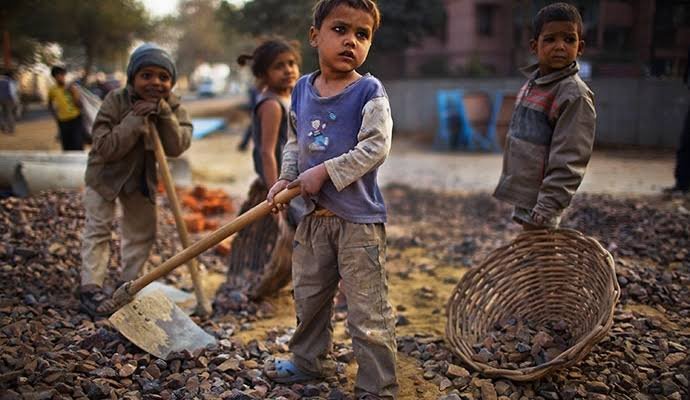
In the realm of the Global South, the aspiration to achieve SDG 2.1 and eradicate hunger while ensuring universal access to safe, nourishing, and ample food throughout the year appears to be slipping away into the realm of distant reverie. This quandary stems less from a deficiency in global food provision and more from the skewed priorities of food systems that place profits above considerations of public health and the environment. In the absence of substantial investments in food systems and broader development imperatives, significant populations in the Global South will find themselves embroiled in a daily struggle to procure sufficient sustenance for themselves and their loved ones.
The emission of methane from agricultural practices in industrialized nations also demands the establishment of lucid and time-bound targets aimed at curbing these emissions, along with the implementation of policies that address the detrimental impacts of industrial livestock farming on ecosystems, water quality, health, labor rights, and animal welfare. On a global scale, the usage of inorganic fertilizers has surged by a staggering tenfold since the 1960s. While this has propelled the industrialization of agriculture and bolstered yields in various regions, the repercussions on soil quality, health, and ecosystems have been devastating.
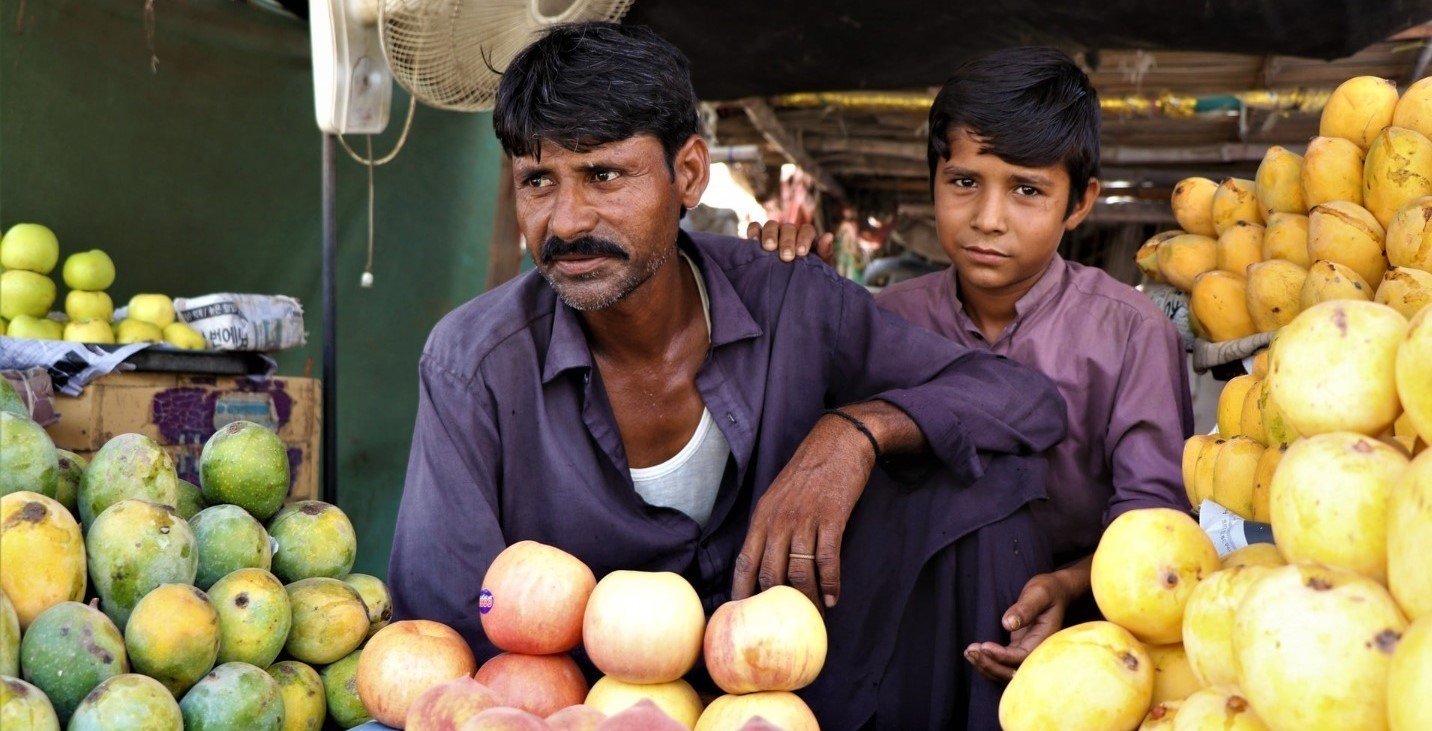
In Pakistan, approximately 81 percent of agricultural land holdings measure less than five hectares in size. Although small-scale and family farmers are ideally positioned to embrace agro-ecological and regenerative practices, they often encounter barriers in accessing finance due to prevailing investment structures, and find themselves excluded from supply chains that are predominantly dominated by larger enterprises. Regrettably, Pakistan finds itself ranked 92nd out of 107 countries, with 43 percent of the population enduring food insecurity and 18 percent grappling with severe food scarcities. Given the rapid pace of urbanization and the escalating levels of food consumption and waste within cities, it is imperative for Pakistan to reevaluate its policies, repurpose agricultural subsidies, and align its objectives with initiatives such as the Milan Urban Food Policy Pact.
The FAO roadmap for food systems, unveiled during COP27, with its initial outputs slated for COP28, offers an avenue for Pakistan to enhance sustainability, fortify resilience, and bolster food security. It is of paramount importance to embark on comprehensive planning and establish milestones within distinct sub-sectors of the agri-food system, with an eye toward the year 2050. This foresight will allow Pakistan to navigate the intricacies of this evolving landscape and pave the way for a future marked by sustainable, resilient, and secure food systems.
In conclusion, it is evident that the state of global food systems requires urgent attention and transformation. The current focus on profits over public health and the environment is not sustainable and threatens the achievement of Sustainable Development Goal 2.1 to end hunger and ensure food security for all. The Global South, in particular, is facing significant challenges in meeting this goal, with large populations struggling to access safe and nutritious food on a daily basis.
To address these issues, there is a need for substantial investment in food systems and broader development initiatives. This investment should prioritize the well-being of communities and the environment, rather than solely focusing on financial gains. Additionally, clear and time-bound targets should be set for reducing agricultural methane emissions and implementing policies that mitigate the harmful impacts of industrial livestock farming.
It is crucial to recognize the importance of smallholders and family farmers in promoting sustainable and regenerative practices. However, they often face barriers in accessing finance and participating in supply chains dominated by larger businesses. Efforts should be made to create an enabling environment that supports these farmers and ensures their inclusion in the agricultural sector.
Pakistan, in particular, needs to revisit its policies, repurpose agricultural subsidies, and align its objectives with global initiatives like the Milan Urban Food Policy Pact. With a significant portion of the population facing food insecurity, coupled with rapid urbanization, Pakistan must prioritize sustainable food systems and reduce food waste.
The FAO roadmap for food systems, announced at COP27 and further developed at COP28, presents an opportunity for Pakistan to improve sustainability, enhance resilience, and ensure food security. It is crucial to plan and set milestones for different sub-sectors of the agri-food system, keeping in mind the long-term goals for 2050.
In short, addressing the challenges facing global food systems requires collaborative efforts, innovative solutions, and a shift towards sustainable practices. By prioritizing the well-being of communities, investing in smallholders, and aligning policies with global initiatives, we can pave the way for a more equitable, resilient, and food-secure future. The time to act is now, and together we can create a world where access to safe and nutritious food is a reality for all.
Subscribe our website for latest updates:
https://republicpolicy.com/shop/
Read More
https://republicpolicy.com/kashmirs-cry-for-justice-unmasking-indias-guilty-conscience/