
Maria Barbar
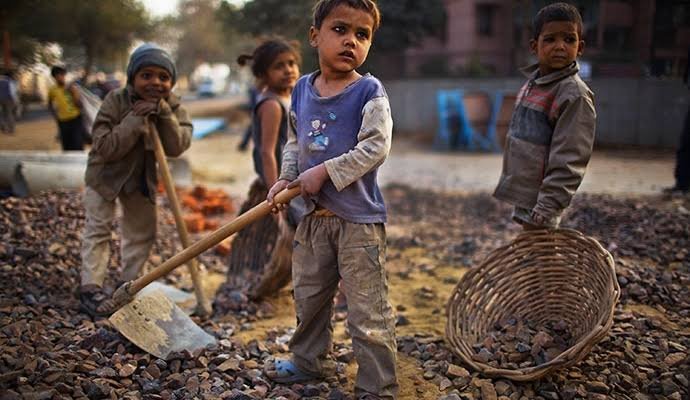
In a striking revelation, Asif Abrar, an education specialist at UNICEF, has brought to light a troubling reality: Pakistan holds the unfortunate distinction of leading the global chart for out-of-school children. This alarming situation demands urgent attention and must be treated as an education emergency. The hurdles that hinder access to education in the country are manifold, and recent events have exacerbated the crisis even further. The COVID-19 pandemic forced school closures, and the devastating floods that wreaked havoc last summer added to the woes.
According to UNICEF data, a staggering 22.8 million children between the ages of 5 and 16 in Pakistan remain devoid of education, constituting 44 percent of the population in this age bracket. The catastrophic rains and floods of the previous year resulted in large-scale migrations and inflicted extensive damage upon school infrastructure, severely impacting the education of these young minds.
As the masses fled from the flood-hit regions, the dropout rate among children escalated, rendering educational targets and outcomes unattainable. The challenges before us are multifaceted and demand comprehensive solutions. Addressing the quality of teachers, improving infrastructure, combating poverty, empowering ill-equipped schools, refining curriculum design, breaking cultural barriers, and raising awareness are all crucial areas where we urgently require well-crafted and progressive policies.
It is essential to recognize that education is the bedrock of a thriving society. Failing to address the education crisis can have far-reaching consequences, hindering the development and progress of our nation. The key to breaking the cycle of ignorance lies in nurturing a generation of well-educated and enlightened individuals who will drive positive change in every sphere of life.
Our collective focus must be on creating an inclusive and accessible education system that leaves no child behind. We must strive to demolish the barriers that prevent young minds from entering the doors of knowledge. Adequate funding, innovative teaching methodologies, and empowering local communities can significantly contribute to bridging the educational gap.
Furthermore, the aftermath of the pandemic and the devastating floods should serve as a clarion call for reevaluating our education policies and adapting them to meet the evolving needs of the young learners. Embracing technology and digital learning platforms can extend educational opportunities to even the most remote corners of the country.
It is the responsibility of both the government and civil society to unite in this noble endeavor. Let us shatter the chains that bind our children’s dreams and aspirations. Instead, let us empower them with the gift of education, igniting their potential to build a brighter future for themselves and our beloved Pakistan.
This education emergency cannot be taken lightly or pushed to the backburner. It demands immediate action, coordinated efforts, and the determination to transform the landscape of education in Pakistan. By investing in the education of our children, we are investing in the prosperity and progress of our nation.
Let us rally together and embark on a journey of educational reform and upliftment. As a united front, we can surmount the challenges and unlock the boundless potential of our young generation. The time to act is now. Let us rewrite the future of Pakistan with knowledge, wisdom, and a passion for learning.
Despite the government’s efforts to implement certain distance learning initiatives in specific regions, such as TV learning programs and the TeleSchool app, there remains a significant gap in addressing the challenges at hand. Access to education and reliable connectivity continue to be persistent issues in many areas, hindering the effectiveness of distance learning programs. The urgency of this matter cannot be understated; it poses a grave threat to the present and future of our nation. With Pakistan boasting a thriving youth population, the state of our education system will ultimately determine whether this demographic dividend becomes an advantage or a colossal risk for our country’s progress.
To combat the pressing challenges in our education sector, a comprehensive approach is imperative. The government must act on multiple fronts, devising robust strategies to bridge the digital divide and ensure equitable access to quality education. Investing in reliable internet infrastructure and digital technologies can pave the way for a more inclusive and effective distance learning experience.

Click here to read the July issue of Republic Policy Magazine.
Moreover, it is essential to harness the potential of partnerships with private enterprises and civil society organizations. Collaborations with tech companies and educational institutions can yield innovative solutions to address the connectivity issues and improve the overall learning environment. Additionally, public-private partnerships can help alleviate the financial burden on the government and accelerate the implementation of much-needed reforms.
Furthermore, proactive measures should be taken to train and empower teachers to navigate the digital landscape effectively. Equipping educators with the necessary tools and training will enhance their ability to deliver engaging and interactive virtual lessons, fostering a conducive learning environment for students.
The current situation calls for decisive leadership and a forward-thinking approach. By viewing this education crisis as an emergency, the government can mobilize resources, streamline policies, and prioritize the development of a robust digital education infrastructure.
As we embark on this transformative journey, let us remember that education is the cornerstone of progress and development. A well-educated and empowered youth population can steer our nation towards prosperity and innovation. By investing in their education, we are investing in the very foundation of Pakistan’s future.
Moreover, the pursuit of knowledge and learning should not be limited to formal schooling alone. Embracing a culture of lifelong learning can foster a society that values continuous growth and improvement. Encouraging online courses, skill development programs, and vocational training can unlock untapped potential and create a workforce that is adaptable and versatile.
In conclusion, the onus is on the government and all stakeholders to rise to the occasion and address the pressing challenges in our education system. The potential of our youth is immense, and it is our collective responsibility to nurture their talents and provide them with the tools to shape a better tomorrow.
Together, let us reimagine the future of education in Pakistan, one that is inclusive, innovative, and resilient. By harnessing the power of technology, partnerships, and a progressive mindset, we can usher in a new era of learning that empowers our youth to become the architects of their destiny and the pride of our nation. The time to act is now, and with unwavering determination, we can turn the tide and pave the way for a brighter and more prosperous Pakistan.
Subscribe our website for latest updates:
https://republicpolicy.com/shop/
Read More