
Fatima Azhar Islam
Diplomacy often reveals a nation’s true predicament, not through failure, but through the delicate effort to hold competing positions without fracturing. Pakistan faced such a moment this week at the United Nations Security Council, and the implications deserve careful analysis rather than dismissive commentary.
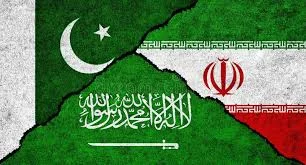
On the same day, Islamabad found itself supporting two contrasting resolutions on the same crisis. The first, tabled by Bahrain, condemned what it described as Iran’s attacks on Gulf states and Jordan. Pakistan voted in favor. The second, introduced by Russia, highlighted the human cost of ongoing hostilities and called for a cessation of military operations—Pakistan voted for that as well. The Bahraini resolution passed; the Russian proposal did not. Washington accused Moscow of shielding Tehran, while Pakistan’s envoy defended the dual vote, emphasizing solidarity with Gulf states while supporting any effort to stop the fighting.
This apparent contradiction is not mere diplomatic theatrics; it reflects Pakistan’s near-impossible position amid one of the region’s most dangerous crises in decades.
The conflict originated with U.S. and Israeli strikes against Iran. Tehran’s retaliatory attacks and the ensuing regional instability, including Security Council deliberations, stem directly from that initial action. For Pakistan to openly condemn Iran without acknowledging the provocation would be morally indefensible. Islamabad has criticized attacks on Iran carefully, avoiding outright denunciation of what is effectively a major American-Israeli military misadventure. The restraint is calculated; rupturing ties with Washington carries risks Pakistan can scarcely afford.
Simultaneously, Pakistan cannot disregard the Gulf. These are not abstract partners; Saudi Arabia, the UAE, Bahrain, and neighboring states underpin Pakistan’s economic lifeline. Remittances from expatriate workers sustain millions of families, while investments support critical infrastructure. Diplomatic rupture with the Gulf is not theoretical—it is existential. Pakistan’s vocal and consistent support for Gulf security reflects both strategic necessity and genuine alignment.
Saudi Arabia’s role further complicates the calculus. A mutual defense pact obliges Pakistan to respond if the kingdom faces threats. Recent visits by Pakistan’s prime minister and chief of defense staff underscore Islamabad’s attention to Riyadh’s security. Originally framed to deter potential Israeli aggression, this pact gains renewed significance amid the current U.S.-Israel military campaign.
Pakistan navigates a geopolitical minefield: condemning Iran too harshly risks alienating a Muslim neighbor; criticizing the United States or Israel directly risks Washington’s support; unqualified Gulf alignment may appear complicit; silence risks irrelevance. There is no ideal path—only the least damaging course.
Recent discussions between Pakistan’s prime minister and Iranian President Masoud Pezeshkian emphasized addressing the conflict’s root causes rather than managing its symptoms. Tehran seeks acknowledgment of the initial provocations, not merely international sympathy. Constructive engagement by Pakistan requires confronting these questions, rather than deferring them indefinitely.
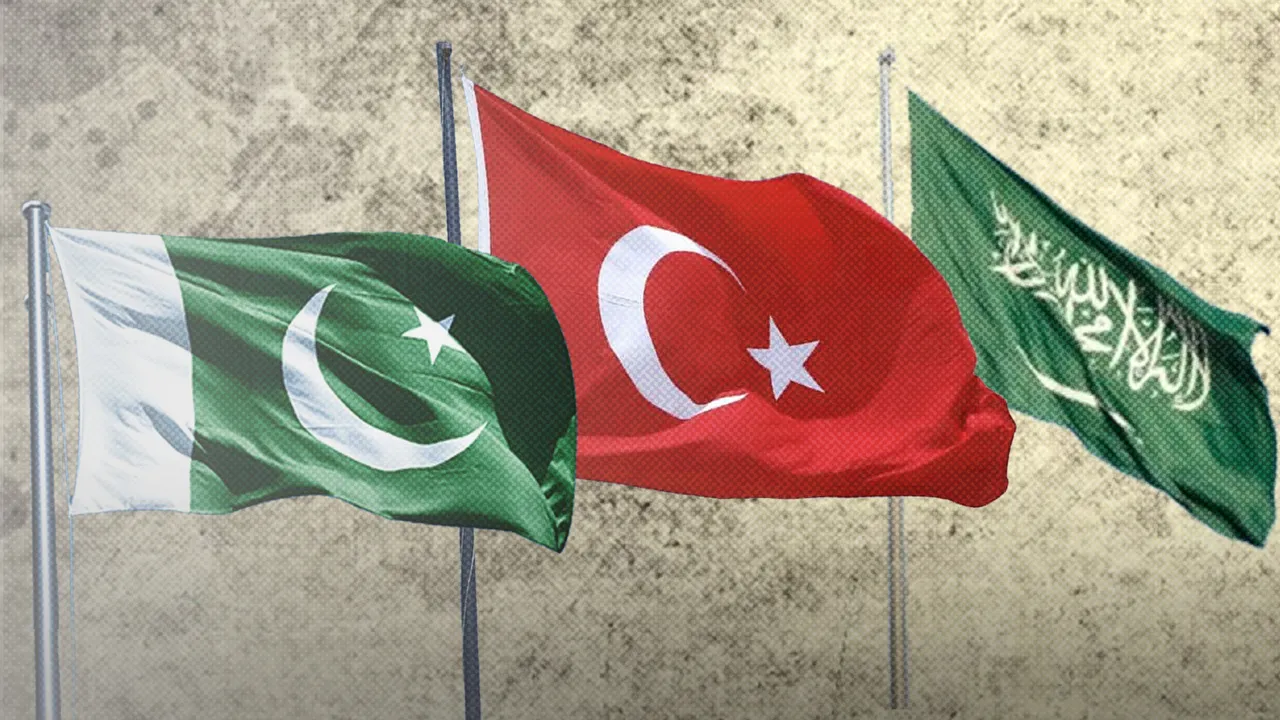
The most productive strategy is active peacemaking, not passive balancing. Working alongside Turkey and other influential Muslim-majority states, Pakistan possesses the credibility and relationships to advocate for a substantive ceasefire at the Security Council. Neither resolution debated this week achieved that; both failed to address the crisis’s underlying drivers.
Any serious peace framework must rest on three pillars. First, unequivocal condemnation of any attempt to alter Iran’s government by force; sovereignty is not conditional. Second, a complete cessation of attacks on all states, regardless of origin. Iranian strikes on Gulf territory and U.S.-Israeli strikes on Iran must be treated equally. Third, credible guarantees from the United States and Israel that they will respect the territorial integrity of Iran and other regional states. Without such assurances, temporary pauses risk becoming preludes to renewed escalation.
Pakistan may lack the power to enforce these conditions alone, but it possesses a rare combination of credibility: trust among Gulf states, communication channels with Iran, Security Council membership, strong ties with Turkey, and influence within the Organisation of Islamic Cooperation. This creates both opportunity and responsibility.
The tightrope Pakistan walks will only grow more precarious as the crisis deepens. Yet those nations investing in genuine peacemaking, rather than merely positioning themselves for post-conflict outcomes, will shape the region’s future. Pakistan must choose whether to be remembered as a careful onlooker or as a proactive force guiding the region away from the brink.