
Pakistan’s rising fuel prices are no longer just an economic concern — they have evolved into a national pressure point affecting every household. From transport fares to food prices, the impact is widespread, and for many citizens, increasingly unbearable.
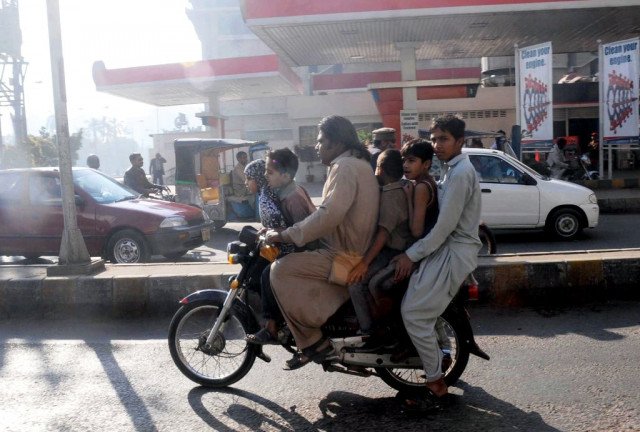
Recent government initiatives, including targeted subsidies for motorcyclists and transport sectors, aim to provide short-term relief. However, these measures raise an important question: are they solving the problem, or merely delaying it?
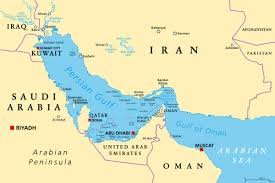
The core issue lies deeper. Pakistan’s heavy dependence on imported fuel makes it highly vulnerable to global market fluctuations. Every international shock — whether geopolitical tension or supply disruption — directly translates into domestic instability. Yet, policy responses remain largely reactive.
This reactive approach creates a cycle: prices rise, temporary relief is announced, public pressure eases briefly, and then the crisis returns. Without structural reforms, this pattern is unlikely to change.
More importantly, the burden of this instability is not evenly distributed. Lower- and middle-income groups bear the greatest impact, facing shrinking purchasing power and rising daily expenses. In this context, limited subsidies appear less like solutions and more like symbolic gestures.
What Pakistan urgently needs is a shift in direction — from short-term relief to long-term resilience. Investment in alternative energy, expansion of public transport, and consistent economic planning are no longer optional; they are essential.
The real challenge is not identifying the problem. It is demonstrating the political will to move beyond temporary fixes and implement lasting solutions.