
Editorial
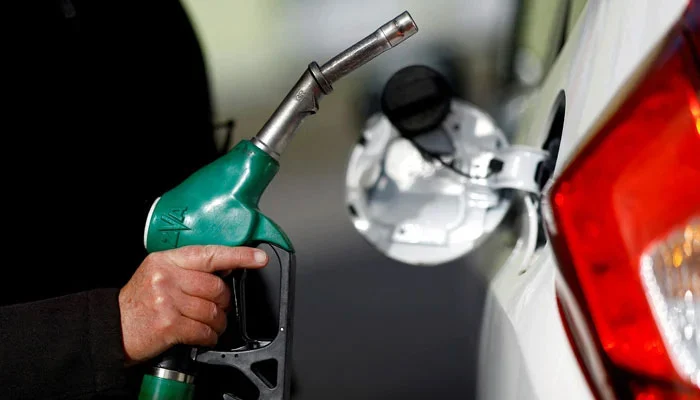
The latest increase in petrol and diesel prices may appear modest on paper, but its real impact will be felt far beyond fuel stations. In an economy already strained by inflation and stagnant incomes, even a few rupees added per litre can trigger a chain reaction that affects nearly every household.
Fuel is not just a commodity; it is the backbone of transport, agriculture, manufacturing and daily commuting. When its price rises, the cost of moving goods increases, and businesses inevitably pass this burden on to consumers. As Ramazan approaches — a period when food demand and spending naturally rise — families may face yet another wave of higher prices for essentials. For low- and middle-income households, whose earnings have not kept pace with inflation, this compounds financial stress.
The government often links such increases to global oil prices, which are influenced by geopolitical tensions. While that may be partly true, the growing dependence on petroleum levies as a revenue source also plays a role. These levies function like indirect taxes, affecting everyone equally at the pump — regardless of income. In reality, this means the poor pay a higher share of their income compared to the wealthy.
Higher fuel costs also squeeze businesses already struggling with expensive inputs and weak demand. Industries facing thin profit margins may cut production or jobs, further slowing economic activity. When unemployment rises and purchasing power declines, overall growth suffers.
Ultimately, repeated reliance on indirect taxation risks deepening inequality and dampening recovery. Without meaningful structural reforms that broaden direct taxation and reduce non-essential government spending, fuel hikes will continue to shift the burden onto ordinary citizens — weakening both household resilience and economic momentum.