
Fajar Rehman
The idea of a superpower is often misunderstood. Many assume it is defined purely by military size, nuclear weapons, or the ability to inflict damage. In reality, a true superpower is identified not by how long it fights wars, but by how decisively, selectively, and strategically it uses power to shape outcomes. Recent global events have offered a stark reality check, particularly for Russian leadership, on what superpower behaviour actually looks like in practice.
A defining feature of a superpower is its ability to act quickly and precisely. Instead of engaging in prolonged conflicts that drain resources and cause massive human suffering, a true superpower prefers short, targeted operations with clearly defined objectives. When such an operation is executed overnight and achieves its goals before the world wakes up, it sends a powerful signal. It demonstrates intelligence superiority, logistical dominance, command clarity, and political confidence. This is not just military strength. It is system-wide power.
By contrast, Russia’s recent military experiences highlight the limits of power without strategic coherence. Years into a costly war, Moscow has struggled to achieve its most basic political and military objectives. It has failed to decisively shape the battlefield, failed to impose its will diplomatically, and even failed to reach symbolic targets such as President Volodymyr Zelensky. Long wars with high casualties and unclear endgames are not signs of strength. They are signs of miscalculation and declining leverage.
Another key element of superpower status is global reach combined with global legitimacy. The United States does not merely act within its immediate neighbourhood. It operates across regions, alliances, and institutions. Its actions are backed by intelligence networks, military bases, economic tools, and diplomatic frameworks that span the globe. Even when controversial, US actions force the world to react. Statements are issued, emergency meetings are held, markets move, and governments recalibrate. That level of influence defines a superpower.
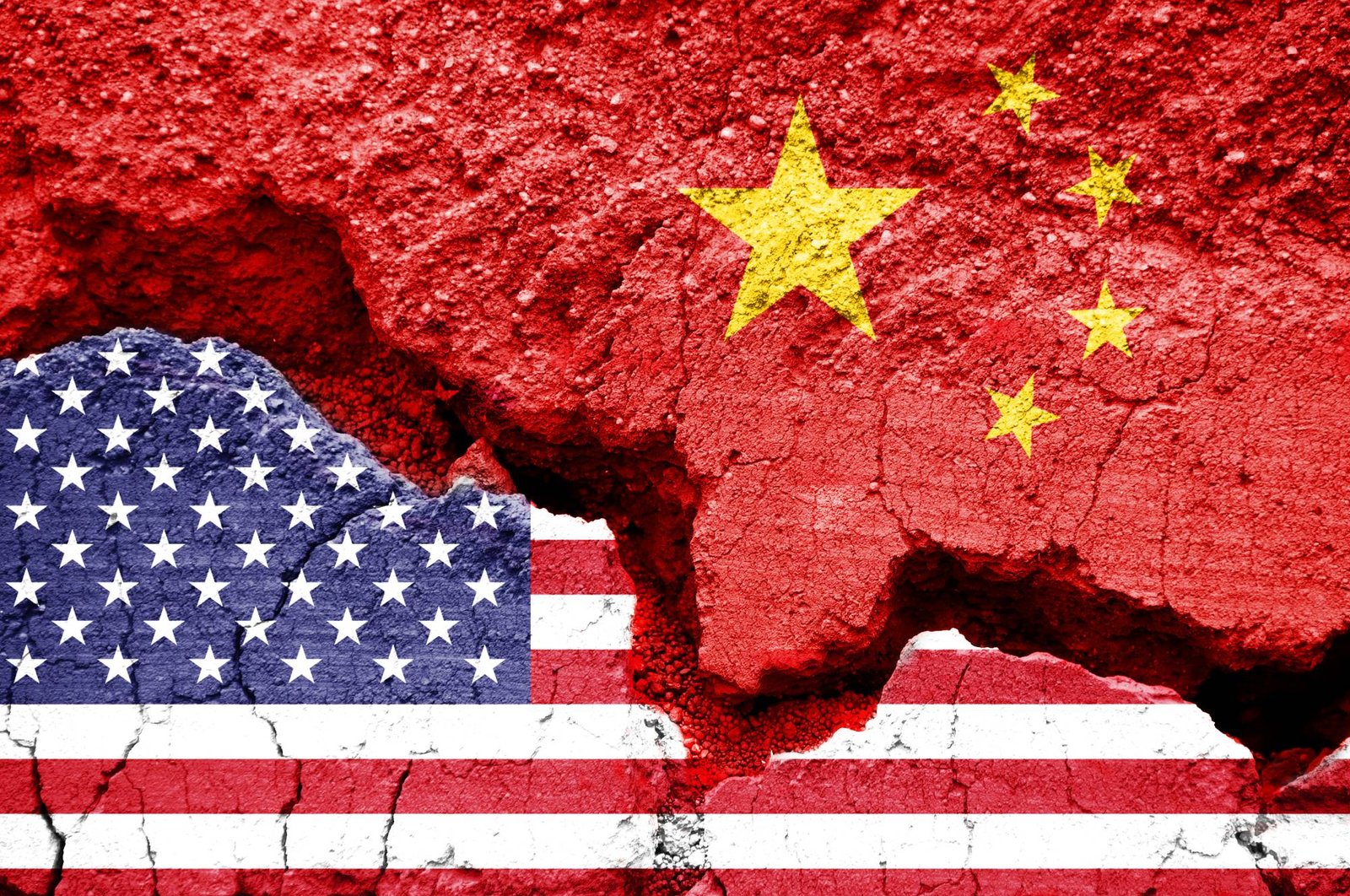
Russia, on the other hand, increasingly finds itself limited to issuing protests and rhetorical condemnations after the fact. Its ability to deter, respond, or reshape events beyond its immediate sphere has diminished. China’s response further illustrates this imbalance. Despite its economic weight, Beijing often remains a cautious observer during major security crises. It prefers stability, gradual influence, and economic expansion over decisive global intervention. This restraint may be strategic, but it also reveals a lack of global intent in the military and political sense.
Intent matters as much as capability. The United States possesses not only power but also the willingness to use it to maintain a global order aligned with its interests. It defines red lines, enforces them selectively, and accepts the costs of leadership. China and Russia, by contrast, often focus on regional dominance rather than global responsibility. They challenge US influence rhetorically, but rarely match it with comparable action on a global scale.
A superpower also understands timing. Acting at the right moment, when conditions are favourable and risks are manageable, is crucial. Strategic patience combined with sudden decisiveness is a uniquely American trait in global politics. This approach avoids endless entanglements while preserving credibility. When action comes, it is swift enough to prevent escalation and controlled enough to avoid chaos. That balance is difficult to achieve and even harder to sustain.
Economic dominance further reinforces superpower status. The US dollar, financial sanctions, trade networks, and technological leadership amplify American power far beyond the battlefield. Military action is rarely isolated. It is supported by economic pressure, diplomatic messaging, and alliance coordination. Russia’s economy, heavily dependent on energy and constrained by sanctions, lacks this flexibility. China’s economy is vast, but deeply interconnected with the global system it seeks to avoid destabilising.
Ultimately, a superpower shapes the international environment rather than merely reacting to it. The United States continues to set agendas, define crises, and influence outcomes across continents. Russia reacts, China calculates, and the rest of the world adjusts. This does not mean the US is flawless or universally welcomed. It means that, structurally and strategically, it remains unmatched.
The global balance of power is not just about who has weapons, but about who can act, decide, and move the system. In that sense, the current world order still revolves around a single centre of gravity. Despite challenges and competition, the United States remains the only country with the intent, capability, and reach to function as a true global superpower.