
By Fatima Bashir
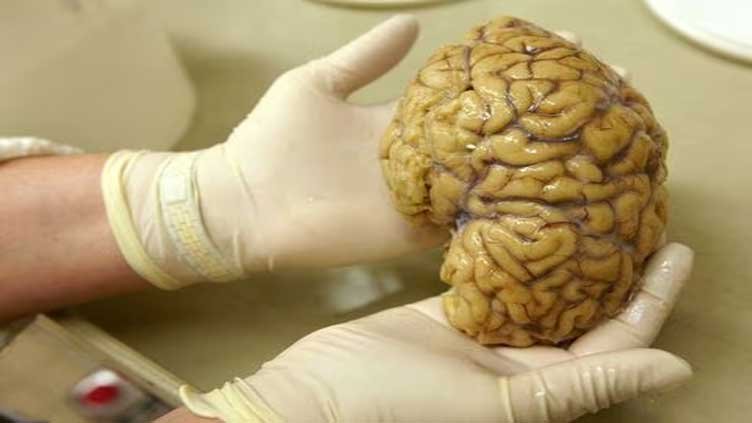
In an unprecedented voyage into the labyrinthine complexities of the human brain, scientists have meticulously scrutinized it at the cellular level, unveiling a staggering array of cell types that surpass 3,300. These cells form a vibrant mosaic within our most enigmatic organ, unveiling an atlas that holds the promise of unraveling the cellular mysteries underlying neurological disorders and spearheading the development of novel therapeutic strategies.
This audacious scientific endeavor, unveiled on a remarkable Thursday, not only delves into the realm of our gray matter but also embarks on a comparative journey, contrasting the human brain with those of our evolutionary relatives – chimpanzees, gorillas, rhesus monkeys, and marmosets. In doing so, it casts a luminous spotlight on the factors that demarcate the fine line between our species and the kin with which we share our evolutionary history.
This remarkable work, published across 21 comprehensive studies featured in Science and two other prestigious scientific journals, was made possible through the collaborative efforts of the U.S. government’s National Institutes of Health BRAIN Initiative Cell Census Network consortium.
The human brain is nothing short of a marvel, serving as the control center for an extensive array of functions – from sensory perception and motor skills to the intricate domains of reading, writing, speaking, and thinking. It is an intricate mosaic of cellular diversity, housing neurons, the brain’s fundamental building blocks. Neurons, these remarkable nerve cells, stand as the conductors of our neural symphony, receiving sensory input, issuing precise commands to our muscles, and transmitting intricate electrical signals as they navigate their course. This remarkable organ, home to an astonishing nearly 100 billion neurons, hosts an even larger congregation of non-neuronal cells, meticulously organized within hundreds of distinct brain structures, each governing a multifaceted spectrum of functions.
However, what sets this research apart from the ordinary is its revelation of a staggering 3,313 distinct cell types – a tenfold augmentation of our previous knowledge. Beyond cataloging these cell types, the research embarks on the intricate journey of mapping the comprehensive repertoire of genes employed by each distinct cell type, meticulously plotting their territorial distribution within the complex terrain of the brain.
In the eloquent words of neuroscientist Ed Lein, affiliated with the Allen Institute for Brain Science in Seattle, “The brain cell atlas as a whole provides the cellular substrate for everything that we can do as human beings.” These diverse cell types, with their distinct characteristics, are likely to respond differently when confronted by various diseases, igniting optimism within the realm of neuroscience.
An intriguing revelation surfaces as this research unfolds: the epicenter of cellular diversity is not the neocortex, typically associated with higher-order cognitive functions. Instead, it resides in evolutionarily older regions of the brain, such as the midbrain and hindbrain. These findings challenge conventional wisdom and broaden our understanding of the brain’s distribution of cellular diversity.
This research carries profound implications, especially in the context of debilitating brain-related diseases, including Alzheimer’s, Parkinson’s, and amyotrophic lateral sclerosis (ALS). These conditions remain among the most formidable adversaries in the medical field, boasting no known cures or effective treatments. Nonetheless, this newly established brain cell atlas promises to serve as a cornerstone for accelerating our comprehension of the intricate cellular mechanisms underpinning these disorders. It may well serve as the launchpad for a new era of therapeutics, introducing innovative approaches to confront these formidable adversaries head-on.
In a striking development, the researchers have meticulously charted gene switches and brain cell types associated with Alzheimer’s disease, the most prevalent form of dementia. Additionally, they have delved into various neuropsychiatric disorders, shedding light on schizophrenia, bipolar disorder, and major depression, to name a few.
In a groundbreaking endeavor, scientists have unearthed fascinating connections within the intricate realm of the human brain. The linkage between microglia cells, a specialized type of immune cell within the brain, and the enigmatic Alzheimer’s disease has been brought to light. Simultaneously, an intriguing connection between specific types of brain neurons and schizophrenia, a severe mental disorder characterized by a detachment from reality, has been unveiled.
This pioneering research delves into uncharted territories, embarking on an enthralling journey through the landscape of the human brain. Beyond these revelations, the investigation sets its sights on unearthing human-specific features, meticulously dissecting the temporal cortex – a segment of the neocortex intricately associated with functions such as language comprehension and other higher cognitive processes. In this quest, human brains were juxtaposed with those of our closest evolutionary relatives, the chimpanzees and gorillas.
Amidst the similarities in cellular organization, a tantalizing discovery emerged. It was revealed that specific genes in humans were harnessed differently in comparison to their evolutionary kin, the chimpanzees and gorillas. This divergence extends to numerous genes intricately linked to neuronal connectivity.
In the eloquent words of neuroscientist Trygve Bakken, affiliated with the Allen Institute, “This means that there have been accelerated specializations of cortical neurons in humans that may contribute to differences in cortical circuit function and our distinct cognitive abilities.”
This fascinating revelation underscores the notion that molecular transformations within certain cell types of the human brain have the potential to influence the manner in which these cells interconnect – their plasticity. It could well serve as a cornerstone in understanding the unique characteristics of the human brain, setting it apart from its primate counterparts.
However, as these profound revelations surface, the scientific community acknowledges that this is merely the nascent stage of a long and arduous journey into comprehending the intricacies of the human brain. The insights garnered thus far offer a glimpse into the brain’s staggering complexity, beckoning the scientific community to delve further into its diversity, variability, and functions. This awe-inspiring exploration of the human brain holds the promise of unlocking further secrets and pushing the boundaries of human knowledge.
In conclusion, the remarkable revelations about the human brain’s intricate web of cell types, its connection to diseases like Alzheimer’s, and the distinctions that set us apart from our evolutionary relatives are just the beginning of an awe-inspiring journey. To propel this captivating exploration forward, it is imperative that the scientific community collaborates and invests in further research. These discoveries not only pave the way for better understanding of neurological diseases but also the boundless potential for advancing our cognitive abilities. As we stand on the threshold of new horizons in brain research, the pursuit of knowledge knows no bounds, and the promise of unlocking more secrets awaits those who dare to delve deeper.
https://republicpolicy.com/can-mounjaro-redefine-diabetes-medication/