
Imran Hafeez
In the turbulent theatre of Pakistani politics, leaders are often fleeting characters, their promises fading like footprints in the sand. Yet, years after his tumultuous exit from the prime minister’s office, the political phenomenon of Imran Khan doesn’t just linger; it thrives, resonates, and continues to command the country’s central narrative. To dismiss this as a mere personality cult is to miss the point entirely. The enduring support for Khan and his party, the PTI, is not just about a single man. It is about the stubborn persistence of an idea.
🐦 Twitter / X: x.com/republicpolicy
For decades, Pakistan’s political landscape was a private club, a comfortable duopoly where power was passed between two dynastic parties like a family heirloom. They were two sides of the same coin, masters of a system that seemed designed for their self-preservation, not public service. Imran Khan, with his relentless, two-decade-long struggle, did more than just win an election; he shattered that suffocating consensus. He weaponized the language of anti-corruption and national dignity, convincing millions that the “system” wasn’t just flawed but fundamentally rigged. He turned a generation of politically apathetic youth into a formidable force that believed, for the first time, that a different Pakistan was possible.
📸 Instagram: instagram.com/republicpolicy
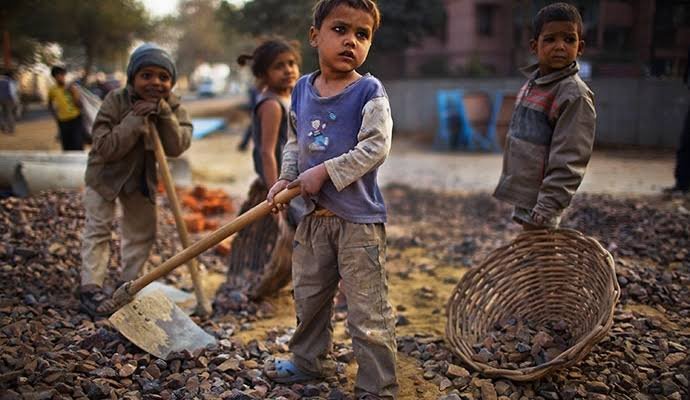
Once in power, the reality was messy, as it always is. The economy, shackled by decades of debt and mismanagement, was a beast that could not be tamed in a single term. Inflation was a constant, painful thorn. Critics rightfully point to the economic struggles. But they often deliberately ignore the tectonic shift in the government’s priorities. Initiatives like the Ehsaas program, recognized globally for its scale and transparency, and the Sehat card, which offered universal health insurance to the poor, were not just policies. They were a moral declaration. For the first time, the state’s resources were being directed toward the forgotten and the vulnerable, creating a social safety net that was previously unimaginable. This was a government that, despite its flaws, saw the poor not as a statistic, but as a responsibility.
📘 Facebook: facebook.com/republicpolicy
Perhaps most powerfully, Khan tapped into a deep, unspoken yearning for national sovereignty. His unapologetic stance on foreign policy—the defiant “Absolutely Not”—was more than a soundbite. It was the articulation of a nation tired of being treated as a hired hand in global conflicts. It was a call for a Pakistan that could stand on its own feet, with its dignity intact, making decisions based on its own interests. While established powers found this posture abrasive, it electrified the public, resonating with a profound desire for self-respect on the world stage.
▶ YouTube: https://www.youtube.com/@TheRepublicPolicy
Today, as Pakistan navigates its path forward, the political stage once again features many of the old, familiar faces. Yet, the conversation remains centered around the man who isn’t there. His enduring appeal is proof that his movement was never just about building roads or managing deficits; it was about rewiring the nation’s political DNA. It was about awakening a collective conscience. You can remove a man from office, but you cannot erase the idea he planted in the minds of millions: the idea of a just, sovereign, and compassionate state. That is an echo that will not be easily silenced.
🎵 TikTok: tiktok.com/@republic_policy