
Nosheen Rasheed
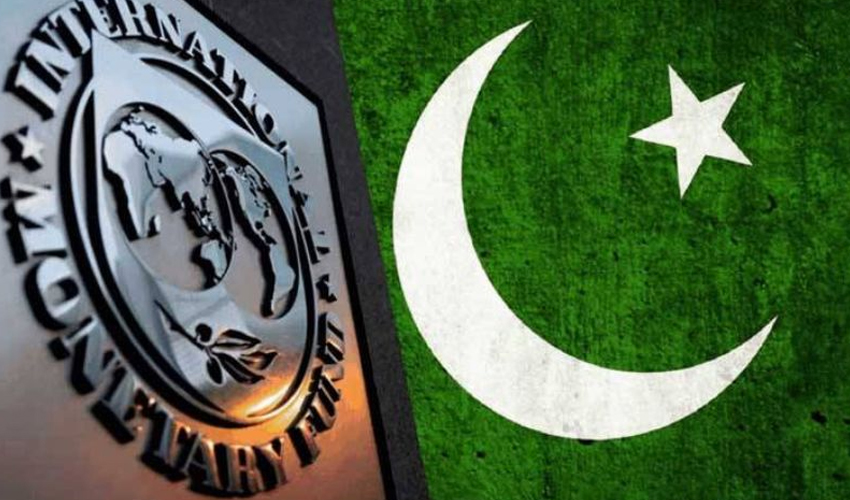
Pakistan’s long-standing economic relationship with the International Monetary Fund (IMF) has entered a new and challenging chapter. After decades of recurrent bailouts and financial programmes, the latest developments underscore both the fragility of Pakistan’s economic foundations and the difficult choices that lie ahead. While engaging the IMF is necessary for short-term stability, it also highlights deeper structural imbalances that policymakers have struggled to address for years.
In late March 2026, Pakistan and the IMF reached a staff-level agreement that could unlock around $1.2 billion in funding under the ongoing $7 billion Extended Fund Facility and Resilience and Sustainability Facility. This tranche, subject to executive board approval, is intended to bolster foreign exchange reserves and support macroeconomic stability after persistent external pressures. However, this arrangement is far from merely technical; it reflects Pakistan’s continued dependence on external financing to meet basic balance-of-payments needs.
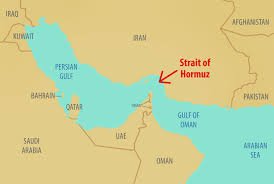
Islamabad is also negotiating with the IMF for greater flexibility in its programme to cope with unexpected economic shocks, particularly those arising from the global oil price surge linked to the war in the Middle East. Pakistan’s finance ministry has openly acknowledged that rising petroleum costs will be passed on to consumers, while targeted subsidies for vulnerable groups such as farmers, transport operators, and low-income households are being discussed. These assurances to the IMF illustrate how international conditions are shaping domestic fiscal policy, often at the expense of immediate public comfort.
The impact of global oil volatility on Pakistan’s economy cannot be overstated. Diesel and petrol prices have skyrocketed in international markets, and although Islamabad temporarily froze prices to absorb the shock domestically, this strategy has cost an estimated 129 billion rupees so far and is unsustainable in the long run. The IMF expects Pakistan to adjust fuel pricing mechanisms, a politically sensitive measure, while introducing structural reforms to broaden the tax base.
The IMF has also proposed ambitious revenue targets for the next fiscal year, including a 15.6 trillion rupees tax goal and the removal of sales tax exemptions on fuel and new housing. Yet Pakistan’s tax-to-GDP ratio remains stubbornly low and is expected to fall short of these targets, with the Federal Board of Revenue anticipating only about 10.7 percent of GDP in collections against a required 11.3 percent. The gap between IMF expectations and Pakistan’s capacity reflects deeper weaknesses in revenue mobilisation, which, if unaddressed, could stall growth and undermine fiscal discipline.
Monetary policy has also come under scrutiny. Pakistan has informed the IMF of its commitment to maintain a tight monetary stance and adopt higher interest rates if inflationary pressures intensify amid external volatility. This readiness to tighten monetary policy signals a departure from earlier accommodative stances but also raises concerns about slowing growth and increased borrowing costs for businesses and households.
Some analysts argue that Pakistan’s reliance on repeated IMF programmes, now extending for decades, reflects not just cyclical economic problems but structural imbalances. Previous IMF reports have highlighted that Pakistan has lost an estimated six percent of GDP annually to corruption and elite capture, underlining institutional weaknesses that undermine economic performance. These governance challenges complicate reform efforts and weaken public confidence in economic leadership.
The broader macroeconomic picture further illustrates vulnerability. Even before the recent global shocks, Pakistan’s GDP growth forecasts were modest at best, and its current account balance was projected to deteriorate as external pressures mount. Foreign exchange reserves remain a critical concern, and Pakistan continues to rely on rollovers of deposits from friendly countries to prevent reserve depletion.
In this context, the IMF program functions as both a stabilising anchor and a constraint on policy autonomy. While the immediate disbursements and fiscal discipline requirements may prevent crisis, they also impose burdens, including higher prices, tighter monetary conditions, and expansive tax measures that disproportionately affect ordinary citizens. IMF-linked stabilisation can improve macroeconomic indicators without necessarily remedying long-standing structural deficiencies in taxation, energy inefficiencies, governance, and institutional accountability.
Moving forward, Pakistan must confront these deeper challenges. Engagement with the IMF will continue to be necessary, but it cannot substitute for internal reforms that expand the productive base of the economy, strengthen revenue collection, reduce wasteful exemptions, and address corruption. Without such strategic transformation, Pakistan risks remaining trapped in a cycle of debt dependency and reactive policymaking, where short-term security comes at the cost of long-term resilience and inclusive growth.