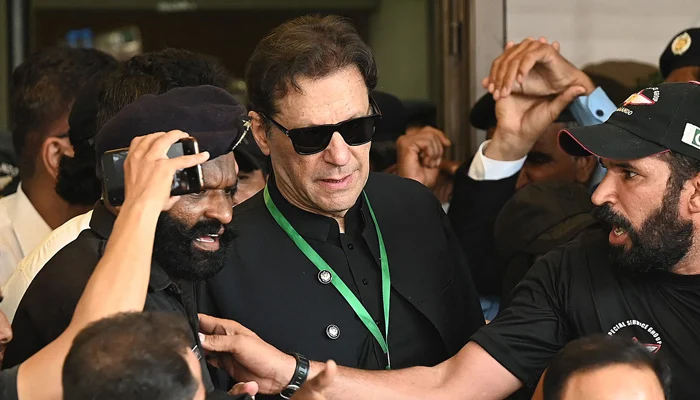

Several prominent Pakistani political figures currently imprisoned at Adiala Jail, including former Prime Minister Imran Khan, cast their votes in the upcoming election through postal ballots. However, Khan’s wife, Bushra Bibi, who was recently convicted and detained, was unable to participate due to the timing of her arrest.
The report highlights several issues surrounding this postal voting process:
- Limited Participation: Only around 1% of the 7,000 inmates, mainly those with valid CNICs, were allowed to vote, raising questions about fairness and potential disenfranchisement.
- CNIC Issue: Many prisoners, especially criminals and under-trial detainees, lack valid CNICs, hindering their ability to vote. This raises concerns about potential discrimination and unequal access to voting rights.
- Timing Hurdles: Bushra Bibi’s case illustrates how timing can impact eligibility. Despite expressing her desire to vote, her recent arrest meant she missed the window for participation.
While the Election Commission facilitated postal voting, these issues highlight the need for reforms and clarifications:
- Clearer Guidelines: Establishing transparent and readily available information about eligibility criteria and the voting process for incarcerated individuals is crucial.
- CNIC Access: Addressing the issue of missing or withheld CNICs among prisoners is essential to ensure equal access to voting rights.
- Flexible Timing: Exploring options for accommodating unforeseen circumstances, like late detentions, could offer fairer opportunities for participation.
Overall, the use of postal ballots for incarcerated individuals presents a complex situation with potential inequalities and raises questions about inclusivity and accessibility. Addressing these concerns through clearer guidelines, improved CNIC access, and flexible timing mechanisms can help ensure a more equitable and transparent electoral process.
Please, subscribe to the YouTube channel of republicpolicy.com