
Editorial
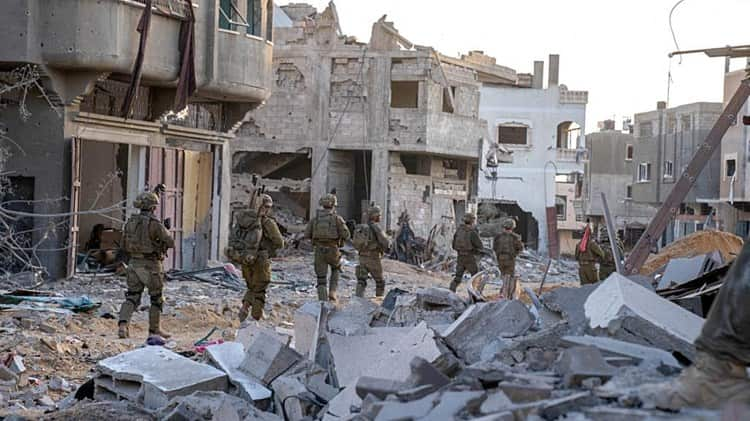
India’s reported invitation to join U.S. President Donald Trump’s “Board of Peace,” aimed at resolving global conflicts starting with Gaza, marks a potential shift in regional and international diplomacy. While India has not confirmed its participation, the move signals Washington’s intent to involve major Asian powers in Middle Eastern geopolitics, even as U.S.-India relations face tension over stalled trade negotiations and high tariffs on Indian exports.
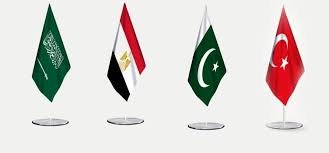
For South Asia, India’s involvement could deepen its strategic footprint in the Middle East, complementing its growing influence in energy, trade, and security affairs. However, this development may exacerbate regional rivalries, particularly with Pakistan. Islamabad has historically maintained close ties with Gulf states and pursued partnerships with Saudi Arabia and Turkiye in defence and energy. India’s emerging role in initiatives like the “Board of Peace” could tilt Gulf attention further toward New Delhi, challenging Pakistan’s diplomatic leverage and regional relevance.
In the Middle East, India’s inclusion could bolster Washington’s efforts to manage conflicts like Gaza, but it also risks alienating actors skeptical of Indian alignment with U.S. policy. Countries such as Iran and Turkey, with vested interests in Palestinian issues, may view India’s role cautiously, complicating regional consensus.
Globally, the initiative underscores a trend where conflict resolution is increasingly linked to major economic and military powers beyond traditional stakeholders. India’s participation would reinforce its image as a rising strategic actor, but for Pakistan, it is a reminder that geopolitical influence in South Asia and the Gulf cannot rely solely on historical alliances. Islamabad must now consider diversified diplomatic engagement and leverage multilateral forums to safeguard its interests amid shifting regional alignments.