
As exemplified by the ongoing coronavirus disease (COVID-19) pandemic, major infectious diseases and epidemics have devastating impacts on human lives, wreaking havoc on long-term social and economic development. Global health crises threaten to overwhelm already overstretched health systems, disrupt global supply chains and cause extreme devastation of people’s livelihoods, including women and children, and the economies of the poorest and most vulnerable countries.
There is an urgent need for resilient and robust health systems reaching vulnerable or vulnerable situations. Without international attention, future epidemics could surpass previous outbreaks in intensity and gravity. There is a great need to raise awareness, the exchange of information, scientific knowledge and best practices, quality education, and advocacy programs on epidemics at the local, national, regional and global levels as effective measures to prevent and respond to outbreaks.
It is crucial to strengthen epidemic prevention by applying lessons learned on epidemic management and how to prevent the stoppage of essential services, and to raise the level of preparedness to have the earliest and most adequate response to any epidemic that may arise and also recognize the value of an integrated One Health approach that fosters the integration of human health, animal health and plant health, as well as environmental and other relevant sectors.https://republicpolicy.com/pakistan-ill-prepared-to-combat-new-covid-variants/
International cooperation and multilateralism play an essential role in response to epidemics. We must stress the significance of partnership and solidarity among every individual, community State, and regional and international organization in all stages of epidemic management and the importance of considering a gender perspective in this regard.
The United Nations system, in particular the World Health Organization, plays a pivotal role in coordinating responses to epidemics per its mandate and in supporting national, regional and international efforts to prevent, mitigate and address the impacts of infectious diseases and outbreaks in accordance to advance the 2030 Agenda.
We need to recognize the primary role and responsibility of Governments and the indispensable contribution of relevant stakeholders in tackling global health challenges, especially women, who comprise most of the world’s health workers.
There is a dire need to ensure inclusive, equal and non-discriminatory participation, with particular attention to those who are vulnerable or in vulnerable situations with the highest chance of epidemic infection.
The role of the United Nations through its health agency is critical for the member states. Accordingly, the UN General Assembly invites all Member States, organizations of the United Nations system and other global, regional and sub-regional organizations, the private sector and civil society, including non-governmental organizations, academic institutions, individuals and other relevant stakeholders to observe the International Day of Epidemic Preparedness annually in an appropriate manner and under national contexts and priorities, through education and awareness-raising activities, to highlight the importance of the prevention of, preparedness for and partnership against epidemics.https://republicpolicy.com/new-variant-of-coronavirus-in-china-poses-a-threat-to-pakistan-ncoc/
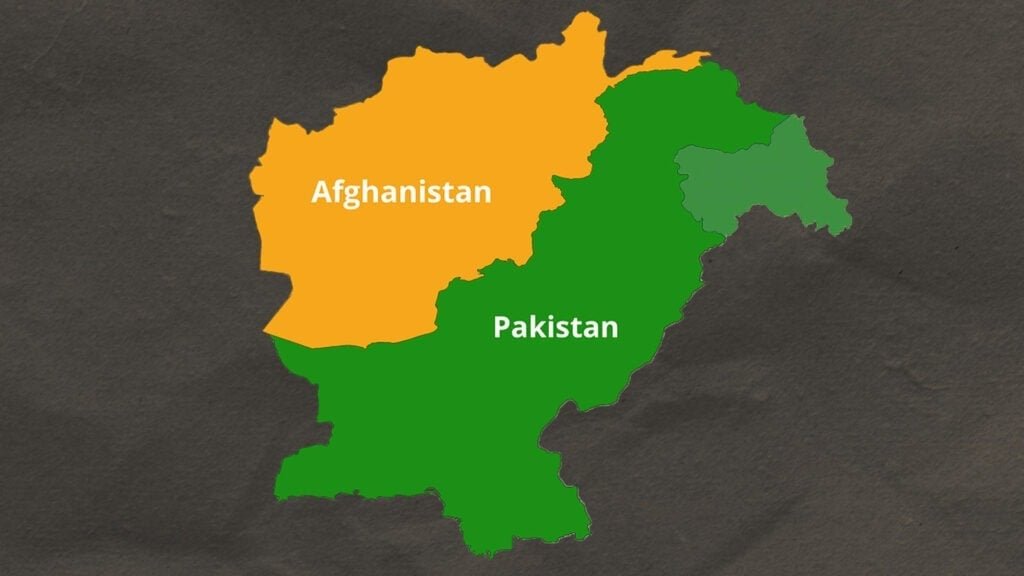
Pakistan is a developing country with meagre resources. However, it has bravely faced the challenge of Covid-19. However, there is still an urgency to combat the epidemic of diseases in Pakistan. A robust and functional health system shall prevent and cure epidemic diseases. Hence, Pakistan’s medical administrators must remain prepared for any emergency regarding the spread of epidemics. International Day of Epidemic Preparedness, 27 December, remembers the necessity and preference of the cause of medical health.