
Editorial
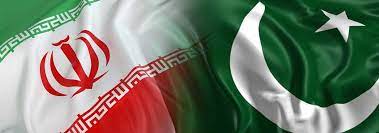
The past weeks have witnessed a chilling dance of escalating tensions between Iran and Pakistan, two nations historically bound by fraternal ties and shared concerns. On January 16th, the delicate fabric of this relationship was rudely torn when Iran launched airstrikes on Pakistani soil, targeting Baloch militants nestled within its borders. This brazen violation of Pakistani airspace ignited a firestorm of condemnation, prompting a swift and equally forceful retaliation from Islamabad. Pakistani airstrikes on January 17th targeted militant hideouts inside Iran, a tit-for-tat response that plunged the two nations into a diplomatic crisis.
The aftermath of these tit-for-tat attacks was a swift and chilling descent into diplomatic disarray. Both sides vehemently condemned each other’s actions, recalling ambassadors and severing crucial communication channels. The once warm winds of cooperation were replaced by the icy blasts of rhetoric, each nation accusing the other of harbouring and abetting terrorist threats. The specter of a broader conflict loomed large, casting a long shadow over the region’s already volatile security landscape. Yet, amidst the escalating tensions, embers of hope flickered. Prime Minister Kakar of Pakistan, his voice heavy with the weight of this volatile situation, extended an olive branch, expressing his country’s unwavering desire to mend the fractured relationship and restore ties to their pre-crisis state. This initial gesture was met with a cautious echo from Iran, paving the way for crucial diplomatic engagements.
In a pivotal phone call, Foreign Minister Jilani of Pakistan and his Iranian counterpart, Amir-Abdollahian, initiated a delicate waltz of de-escalation. Recognizing the perilous precipice upon which both nations stood, they pledged to work towards a peaceful resolution. The air crackled with a newfound spirit of cooperation as they agreed to strengthen counter-terrorism collaboration and, crucially, to de-escalate the burgeoning hostility.
The path to reconciliation, however, remains fraught with challenges. The trust shattered by the recent attacks needs to be meticulously rebuilt, brick by painstaking brick. The issue of cross-border militant activities demands immediate and effective solutions, requiring both nations to collaborate in dismantling these breeding grounds of terror. Finally, the delicate dance of balancing security concerns with the preservation of good neighbourly relations necessitates masterful diplomacy and unwavering commitment from both sides. The eyes of the world are currently fixed on the volatile dance between Iran and Pakistan. The success of their current efforts at de-escalation will have far-reaching repercussions for the stability and security of the entire region. While the air remains thick with the lingering scent of distrust and tension, the recent diplomatic engagements offer a glimmer of hope. Should both nations remain resolute in their pursuit of dialogue and cooperation, they may yet navigate this perilous path and rebuild the bridge of brotherhood that was so recklessly fractured. But, the journey ahead will be long and arduous, requiring unwavering commitment and a shared vision for a peaceful and secure future.
Please, subscribe to the YouTube channel of republicpolicy.com