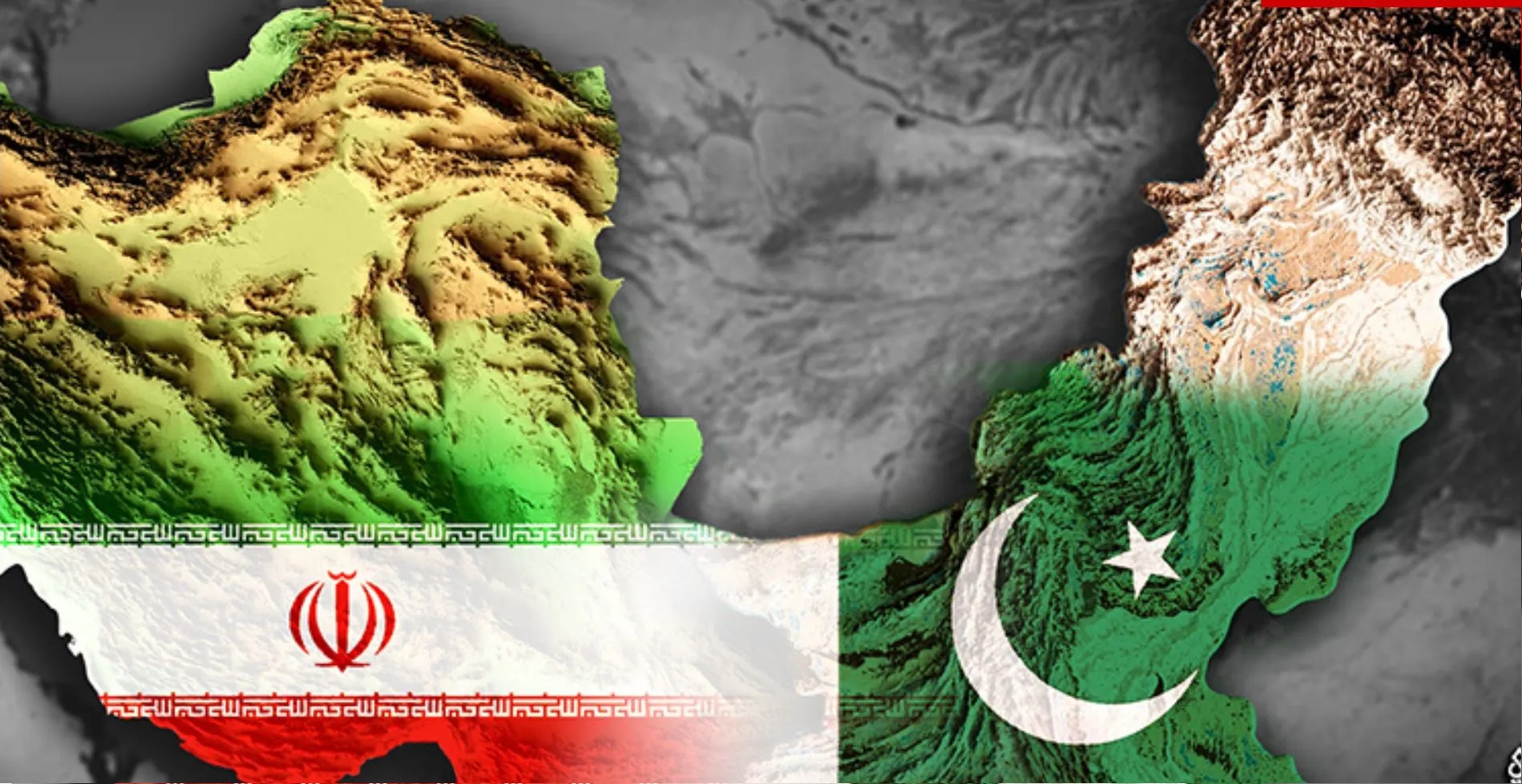
On the eve of pivotal talks in Istanbul with Britain, France, and Germany—the E3 nations—Iran has restated its unwavering right to enrich uranium, pushing back against European threats of renewed nuclear sanctions. The high-stakes meeting, which will also involve the EU’s foreign policy chief Kaja Kallas, follows recent military escalations that have heightened nuclear tensions in the region.
This marks the first diplomatic engagement since Israel’s mid-June strikes on Iranian nuclear and military facilities, which triggered a 12-day conflict ending with a ceasefire on June 24. Iran’s Foreign Minister, Abbas Araghchi, emphasized through state media that “our uranium enrichment will continue,” urging European powers to understand Iran’s firm stance, especially in the wake of recent hostilities.
The United States, allied with Israel, also targeted Iranian nuclear sites in overnight strikes in late June, further complicating the diplomatic landscape. Israel’s attack came just before planned US-Iran nuclear negotiations, derailing a potential dialogue restart.
Iran’s Deputy Foreign Minister Kazem Gharibabadi has stated Tehran remains open to renewed nuclear talks with Washington, but only if the US takes credible steps to rebuild trust. He stressed on social media that any negotiations would require “key principles,” such as transparency and a commitment to avoid hidden military agendas.
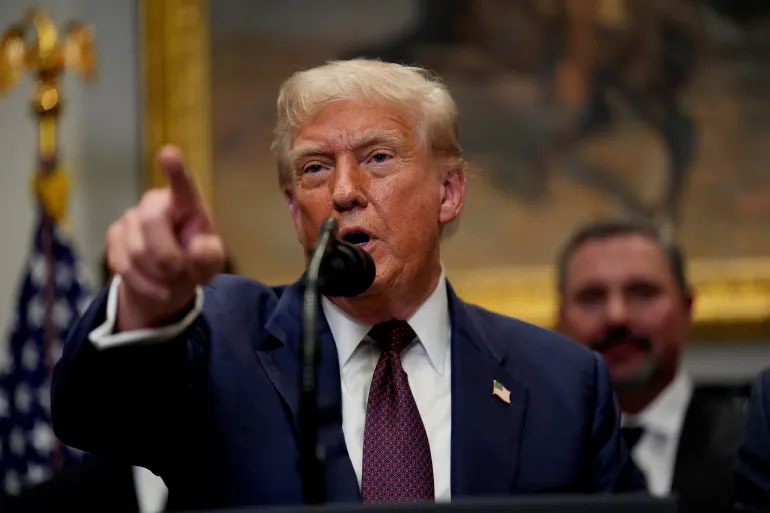
The 2015 nuclear deal, supported by Britain, France, Germany, China, Russia, and the US, initially placed strict limits on Iran’s nuclear activities in exchange for gradual sanctions relief. The US, however, unilaterally withdrew from the agreement in 2018 under President Donald Trump, reimposing harsh sanctions on Iran. While the E3 nations have tried to preserve the deal, they now accuse Tehran of breaching its commitments and are considering fresh sanctions as a key agreement clause expires in October.
The International Atomic Energy Agency (IAEA) reports that Iran is enriching uranium to 60 percent purity—far above the 3.67 percent cap set by the 2015 accord, though still short of the 90 percent needed for nuclear weapons. Western powers remain concerned about Iran’s intentions, while Tehran insists its nuclear program is strictly for civilian energy use.
Nuclear negotiations between Iran and the US had made progress earlier this year, but were abruptly halted after Israel’s attack on June 15.